Explaining Dining Table Size and Seating Capacity
Choosing the right dining table involves more than just picking a style that matches your decor. It’s about finding the perfect balance between size, seating capacity, and the space you have available.
A well-sized table can make gatherings more comfortable and dining more enjoyable. This article breaks down common table dimensions, shapes, and seating arrangements to help you make a choice that fits your home and lifestyle.
Standard Dining Table Shapes and Their Capacities
The shape of a dining table is important when it comes to how it fits into a space and accommodates guests. Each shape has its strengths and is suited to different room layouts and seating needs. Understanding these options helps in making a choice that balances style, space, and functionality.
Rectangular Tables
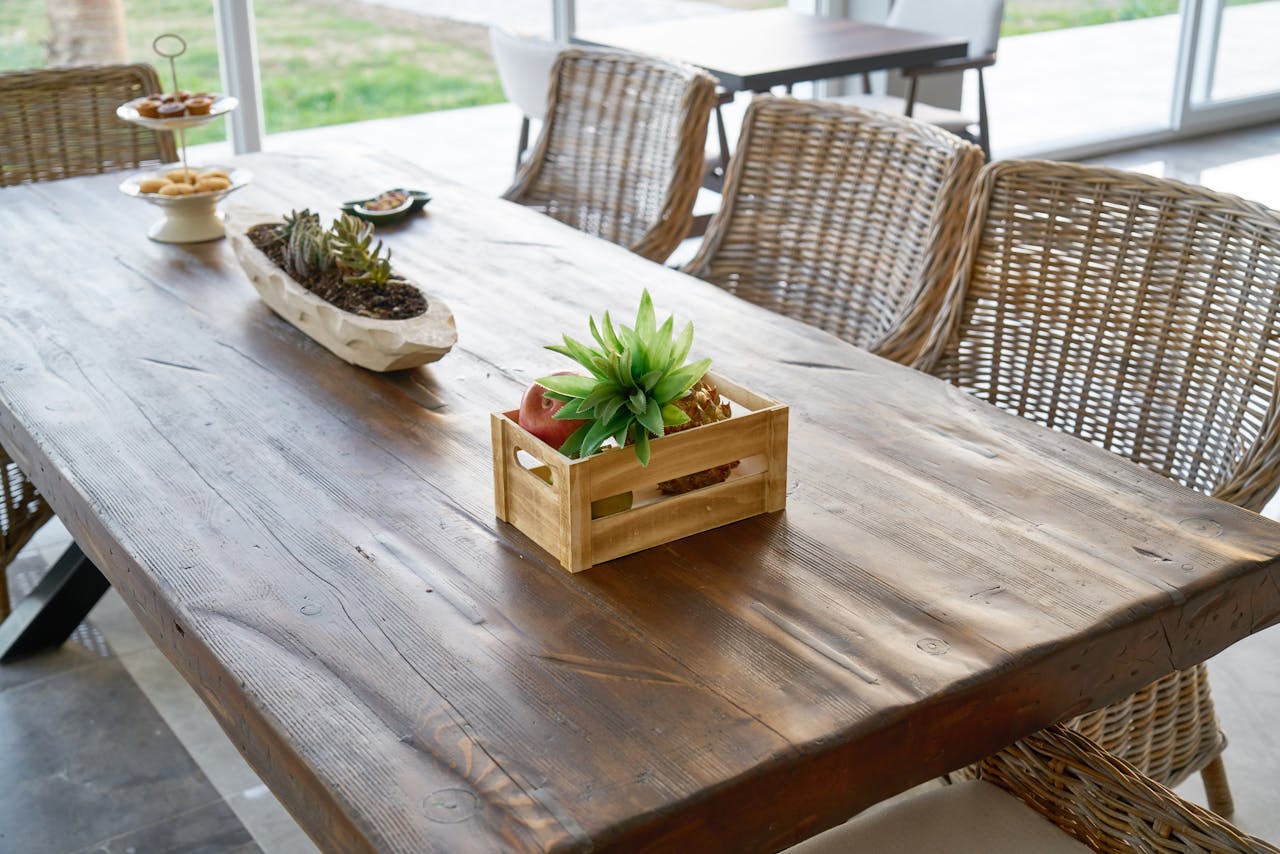
Rectangular tables are among the most commonly used and are ideal for larger dining areas. Their long, narrow design allows for more seating, typically accommodating four to six people for smaller tables and up to ten or more for larger ones. This makes them perfect for families or frequent gatherings.
These tables work well in rooms with ample space, as they often require additional clearance around the edges for chairs and movement. They pair well with benches or a mix of chair styles.
Square Tables
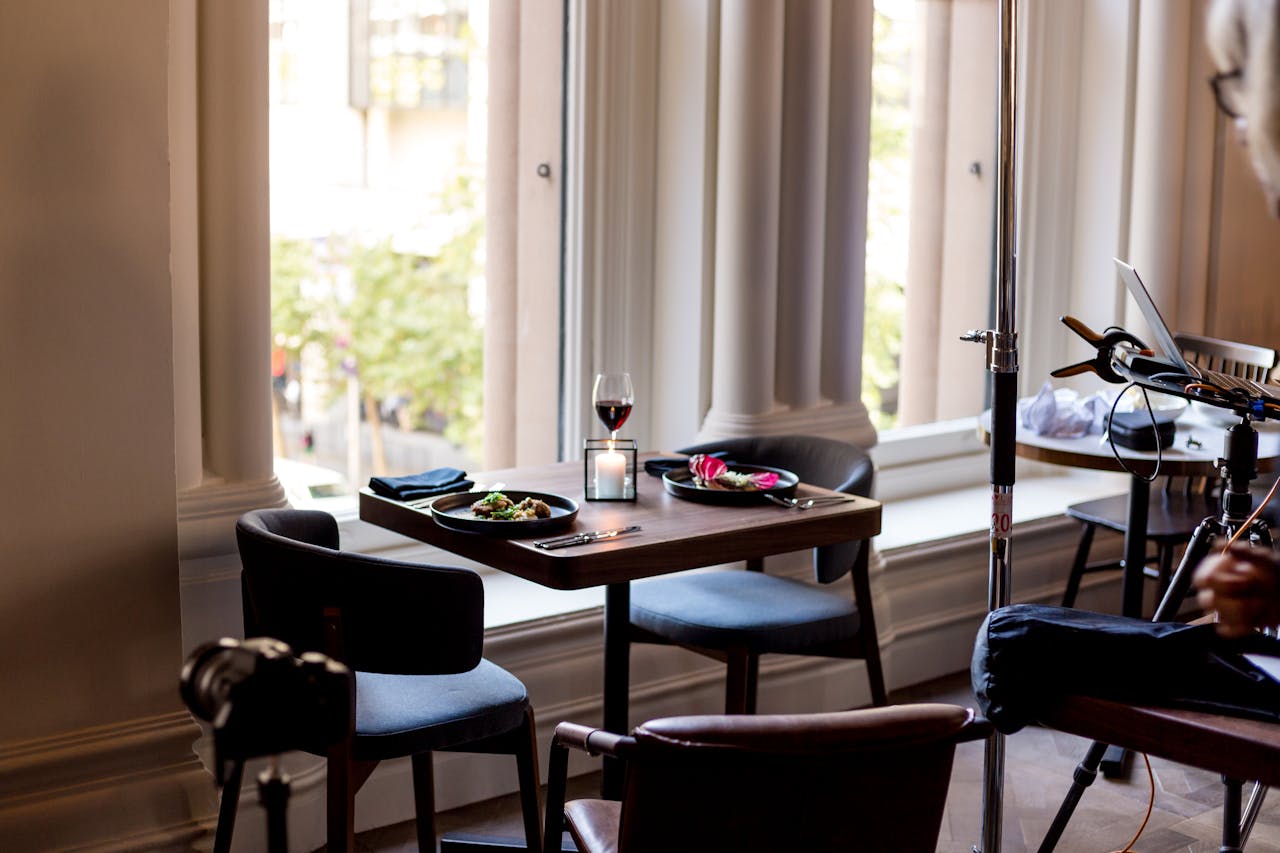
Square tables offer a compact and symmetrical design that allows them to be suitable for smaller spaces or square-shaped rooms. They are ideal for four-person seating and can create an intimate dining experience. Larger square tables are less common but can seat up to eight people.
This shape works well in settings where balance and simplicity are desired. A square table is also a practical choice for casual meals or smaller dining areas where saving space is a priority.
Round Tables
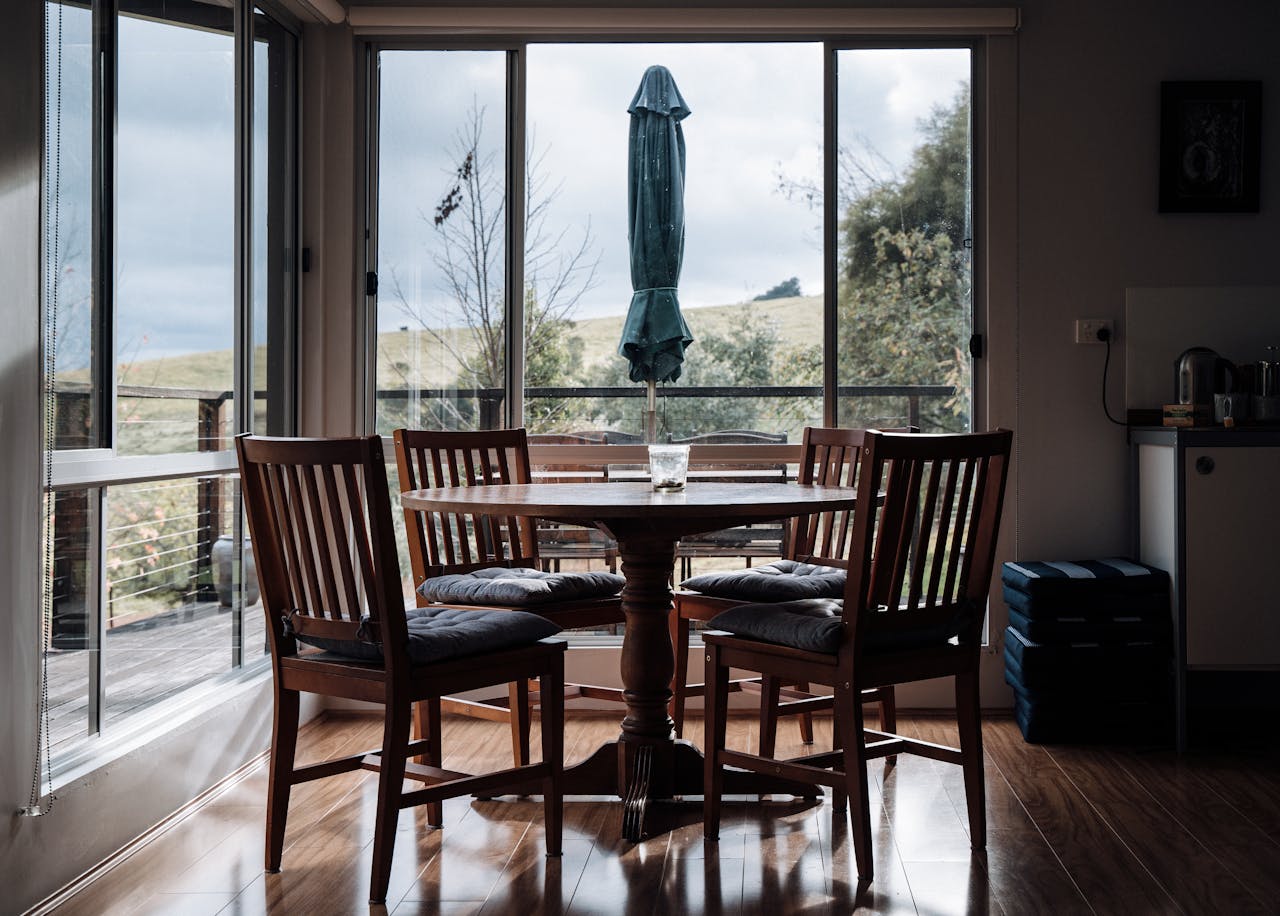
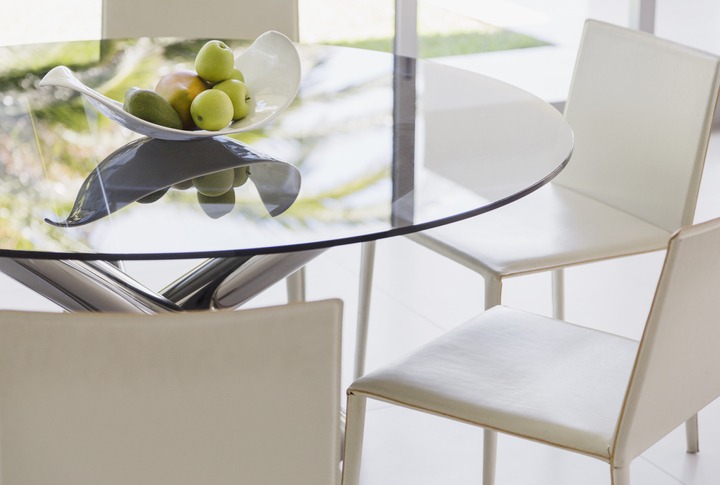
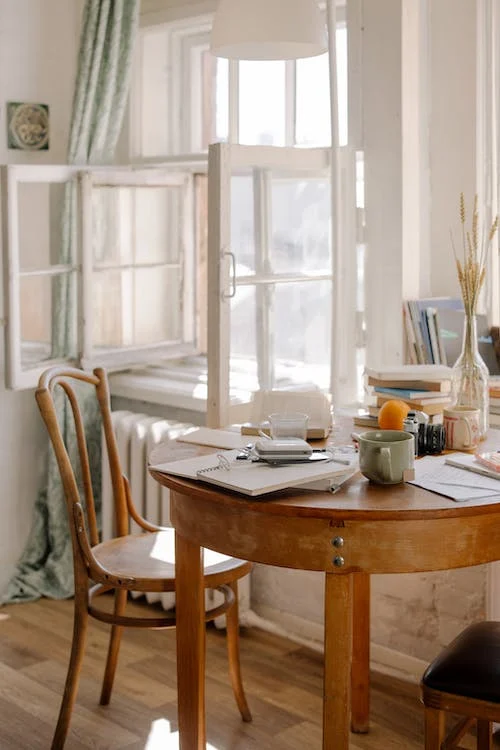
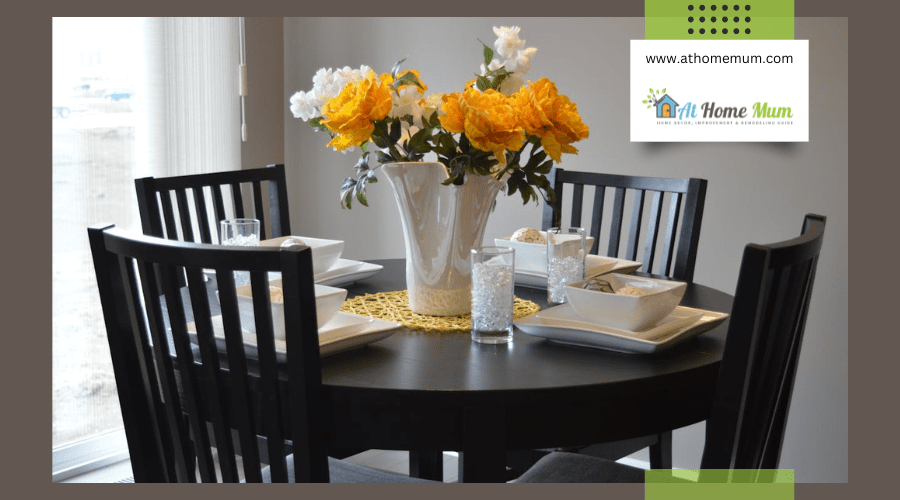
Round tables are a popular choice for fostering conversation, as everyone is seated an equal distance apart. They are well-suited for small to medium-sized spaces, with standard sizes seating four to six people. Larger round tables with a wider diameter can accommodate eight, but they may require more room to avoid crowding.
Many round tables feature a pedestal base, which offers added legroom and eliminates corners that can limit seating flexibility. Their curved design also makes them a good fit for rooms with softer layouts or open floor plans.
Oval Tables
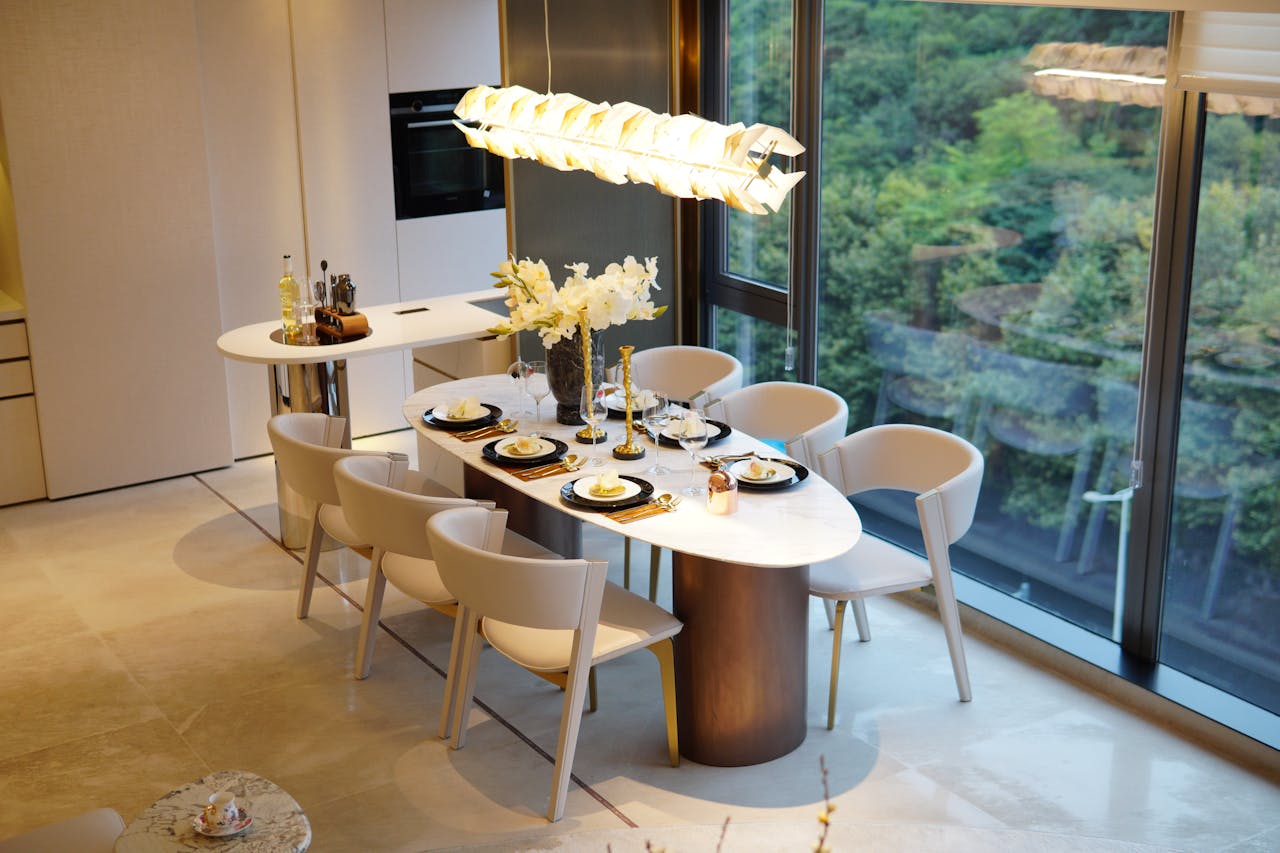
Oval tables combine elements of rectangular and round designs, offering the seating capacity of a rectangular table with the softer edges of a round one. They typically seat six to eight people, which makes them ideal for medium-sized spaces where versatility is needed.
The elongated shape of an oval table works well in narrower rooms, as it creates a sense of space without overwhelming the area. It is a great choice for both formal dining rooms and casual spaces.
Factors That Affect Seating Capacity
The number of people a dining table can accommodate isn’t just determined by its size. Several other factors come into play and can influence how many chairs can comfortably fit around the table. These considerations are important for creating a functional and inviting dining space.
- Table Dimensions: The overall length, width, and shape of the table dictate how many chairs it can hold. Longer tables naturally seat more people, while narrower tables may feel crowded with too many seats.
- Chair Size and Style: The width and design of chairs impact how many can be placed around the table. Chairs with armrests take up more space, while armless or narrower designs allow for closer seating.
- Leg or Pedestal Design: Tables with traditional legs may limit chair placement, as the legs can obstruct seating. Pedestal or trestle bases provide more flexibility by eliminating corner obstructions.
- Spacing Per Person: Each person needs enough room to sit and eat comfortably. The general rule is to allow 24–30 inches of table length per person, though this may vary depending on chair size and table design.
- Room Size and Layout: The space around the table also affects seating. There should be enough clearance—usually 36–48 inches between the table and walls or furniture—to allow chairs to be pulled out and for people to move around easily.
- Expandable Options: Some tables come with leaves or extensions that increase their length. This feature allows for more seating when needed but requires extra room when expanded.
How to Choose the Right Dining Table
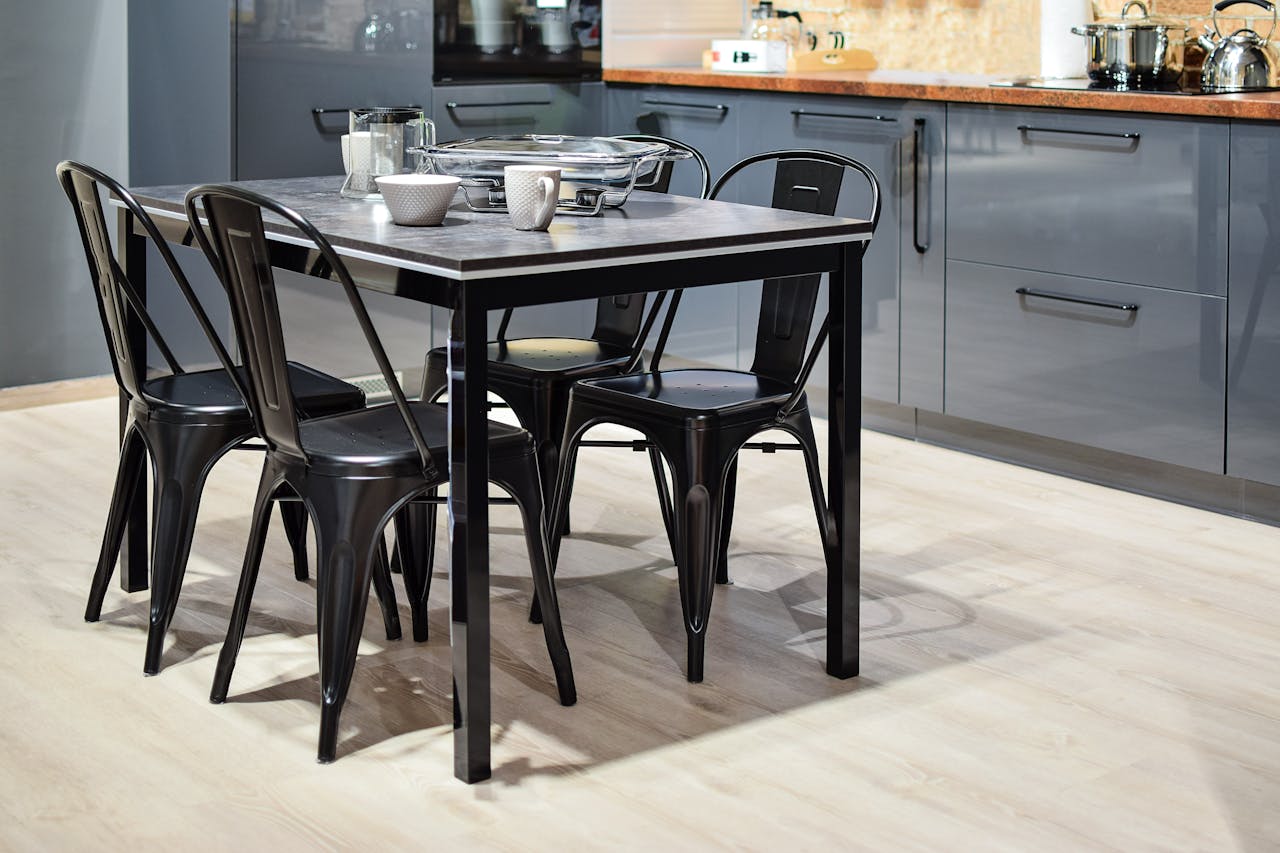
Selecting the right dining table involves picking the design you like while also considering your space, lifestyle, and how the table will be used. The tips below will help you make a practical and stylish choice for a dining table.
Measure Your Space
Start by measuring the area where you plan to place the table. A good rule of thumb is to leave at least 36 inches of clearance around the table to allow for chairs and movement. If the room is small, consider compact or extendable tables to maximize space.
Think about how the table will fit with other furniture in the room. Avoid overcrowding the space by choosing a table that complements the layout and leaves enough room for people to move freely.
Think About Your Seating Needs
Consider how many people you typically host for meals. A smaller table might work for day-to-day use, but if you often entertain guests, an expandable table could be a better option. Make sure the seating capacity aligns with your needs without making the table feel overcrowded.
Don’t forget to account for chair size when planning seating. Larger chairs or those with armrests require more room, which may reduce the number of people your table can comfortably seat.
Choose a Shape That Fits the Room
The shape of your dining table should match the dimensions of your dining space. Rectangular tables are great for longer rooms, while square or round tables are better suited for smaller or square-shaped areas. Oval tables can work well as a middle ground, offering the benefits of both rectangular and round designs.
The shape also affects how the table looks in the room. Round and oval tables create a softer, more casual feel, while rectangular and square tables often suit formal settings. Choose one that complements the overall style of the space.
Consider Durability and Maintenance
Dining tables are an investment, so it’s important to choose a material that fits your lifestyle. Solid wood is durable and timeless, but it might require occasional maintenance. Glass or metal tables are easier to clean but may show scratches or fingerprints more easily.
Think about how often the table will be used and what kind of wear it might experience. For households with children, a sturdy and low-maintenance table might be the best option.
Match the Style to Your Decor
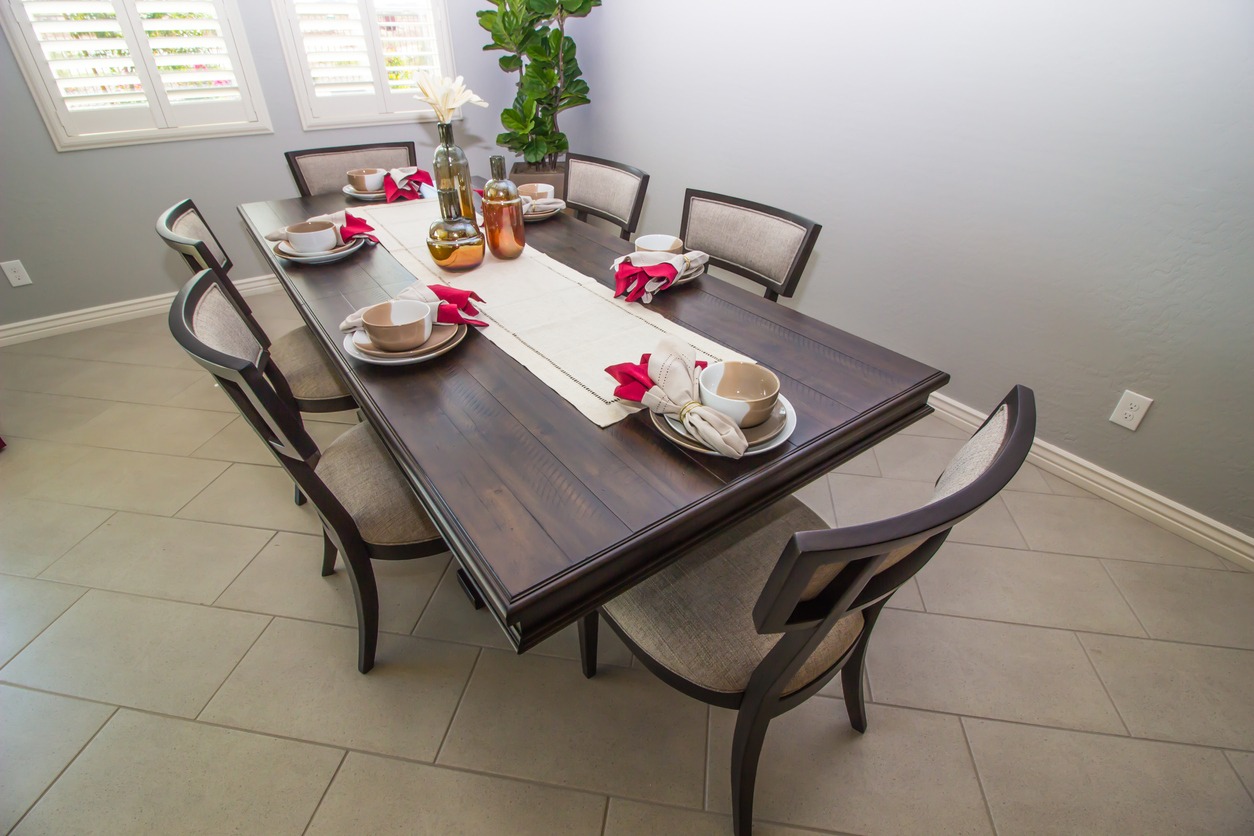
Your dining table should complement the overall design of your home. For modern interiors, sleek lines and minimalist styles work well. Traditional spaces might benefit from classic wood designs with ornate details.
Don’t forget to consider the color and finish. A table in a neutral tone can work with a variety of styles, while bold colors or unique finishes might be better for making a statement.
Conclusion
By understanding how different shapes and designs work, you can find a dining table that fits your home. A well-suited dining table not only enhances functionality but also creates a welcoming environment for meals and gatherings. With careful consideration, it’s possible to select a table that combines comfort, practicality, and style.