
Essential Tips for Proper Mirror Care
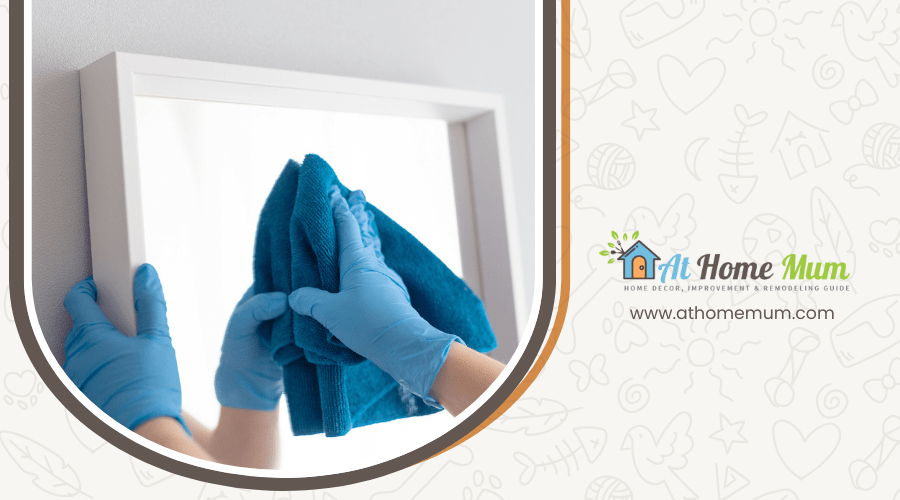
Mirrors are important for many homes, as they serve a purpose for homeowners while also helping elevate the style of a particular room or area. Keeping them in good condition requires some simple but effective care routines.
Without proper attention, mirrors can develop streaks, scratches, or damage that diminishes their clarity. If you want to know more about cleaning and maintaining mirrors, let us dive into the essential tips for proper mirror care.
How Important is It to Take Care of Mirrors?
There are many homeowners who wouldn’t feel comfortable in their own homes without mirrors, as these fixtures are used to inspect the body for personal hygiene. But a mirror with plenty of scratches and dings may not be as useful as a pristine one. Here is a list of reasons why it is important to take care of mirrors:
- Maintains Clarity: Regular cleaning keeps mirrors free of smudges and dirt and preserves their reflective quality.
- Prevents Permanent Damage: Proper care helps avoid scratches, cracks, or deterioration caused by moisture or harsh cleaning products.
- Extends Lifespan: Well-maintained mirrors stay in good condition for years, which can then save you money on replacements.
- Enhances Aesthetics: Clean and well-kept mirrors add to the overall appearance of a room and make spaces look brighter and more inviting.
- Supports Functionality: A clear mirror is essential for daily tasks like grooming or dressing, where accuracy is important.
Tips for Cleaning and Maintaining Mirrors

Keeping mirrors clean and well-maintained helps them look their best and last longer. Simple habits and proper techniques go a long way in preserving their clarity and condition. Check out these practical tips to care for your mirrors effectively.
Use the Right Cleaning Solution
Avoid using harsh chemicals or abrasive cleaners, as these can damage the reflective coating on mirrors. Opt for a gentle glass cleaner or a homemade mixture of water and vinegar. This ensures that the surface is cleaned without leaving streaks or residue.
Always spray the cleaner onto a soft microfiber cloth rather than directly onto the mirror. This prevents excess moisture from seeping into the edges, which can cause the backing to deteriorate over time. Wipe in a straight motion for a streak-free shine.
Clean with the Proper Technique
Using the right wiping method is just as important as the cleaner itself. Start at the top of the mirror and work your way down in straight lines. Avoid circular motions, as they tend to leave smudges behind.
A lint-free microfiber cloth works best for this job. It picks up dirt and grease without scratching the surface or leaving fibers behind. For stubborn spots, use gentle pressure, but never scrub aggressively.
Protect the Edges
The edges of a mirror are the most vulnerable to moisture and damage. Avoid getting them wet during cleaning, and never let cleaning solutions pool near them. These areas are often unsealed and can easily deteriorate if not cared for.
If your mirror is in a humid environment like a bathroom, consider using a sealant on the edges to protect against moisture. Regularly check for signs of peeling or black spots, which indicate damage to the backing.
Keep the Mirror Dry
Water spots can ruin the look of a mirror and contribute to long-term damage. Always dry the surface after cleaning to remove any leftover moisture. Using a second dry microfiber cloth helps to buff the surface to a perfect shine.
In bathrooms or other damp areas, use an exhaust fan or dehumidifier to reduce humidity levels. This helps prevent the buildup of condensation on the mirror and reduces the risk of backing damage.
Avoid Touching the Surface
Fingerprints are one of the most common causes of smudges on mirrors. Teach household members to avoid touching the glass and handle mirrors only by the frame when moving them.
For decorative mirrors that are frequently handled or repositioned, consider wearing gloves during the process. This keeps oils and dirt from your hands off the surface, reducing the need for frequent cleaning.
Common Mistakes to Avoid
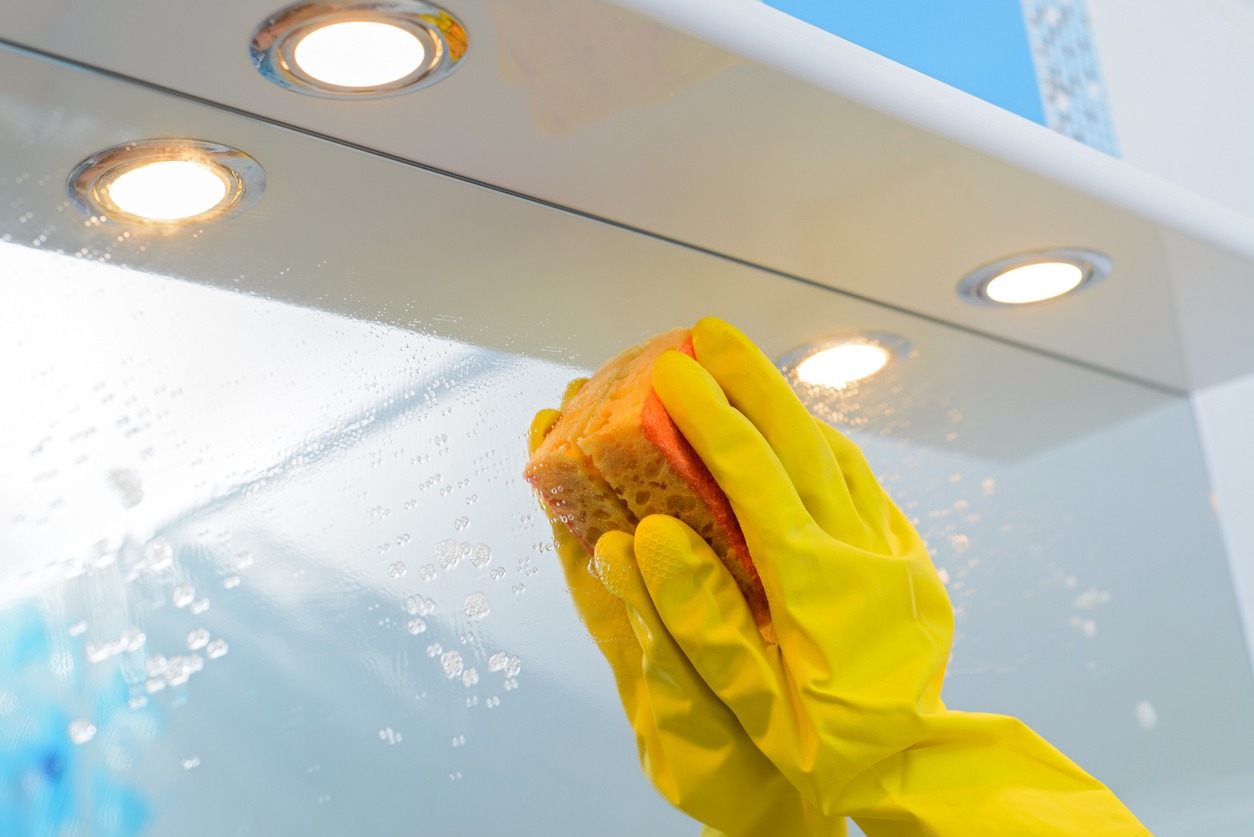
Although cleaning and maintaining mirrors seem simple at first glance, there are plenty of people who make mistakes when doing these tasks. Here are the common errors to watch out for when taking care of mirrors:
- Using the Wrong Cleaning Products: Harsh chemicals, abrasive cleaners, or ammonia-based solutions may strip the reflective coating or leave streaks on the glass. Stick to gentle products designed for glass or a simple mix of water and vinegar.
- Scrubbing Too Hard: Applying too much pressure while cleaning may scratch the surface or damage the mirror's backing. Use a soft microfiber cloth and gentle motions to remove dirt and smudges effectively.
- Spraying Cleaner Directly on the Mirror: Directly applying liquid to the mirror can cause it to seep into the edges, leading to discoloration or peeling of the backing. Always spray cleaner onto a cloth instead of the mirror itself.
- Neglecting to Dry the Surface: Leaving moisture on the mirror after cleaning can lead to water spots or long-term damage to the reflective coating. Use a dry, lint-free cloth to remove any leftover moisture and buff the glass to a shine.
- Exposing Mirrors to Excessive Humidity: Placing mirrors in environments with high humidity, such as bathrooms, without proper ventilation can cause the backing to deteriorate over time. Use an exhaust fan or dehumidifier to protect them from condensation.
- Touching the Glass with Bare Hands: Oils and dirt from your hands can leave smudges and marks that are difficult to clean. Handle mirrors by their edges or frame to avoid unnecessary cleaning or damage.
Conclusion
Proper mirror care is not complicated, but it requires attention and the right approach. Regular cleaning, gentle handling, and protecting mirrors from damage will keep them looking clear and polished for years. By following the tips we provided, you can maintain their quality and enhance the spaces they brighten in your home.