Essential Hardware for Casement and Awning Windows
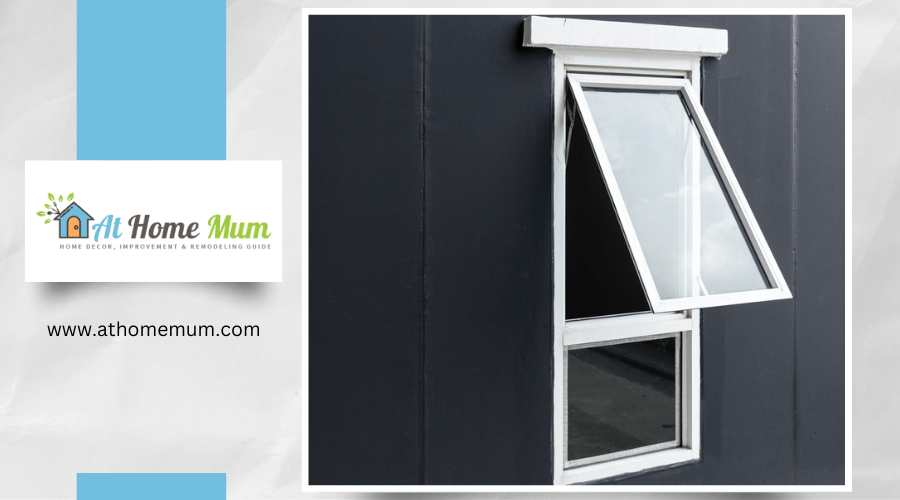
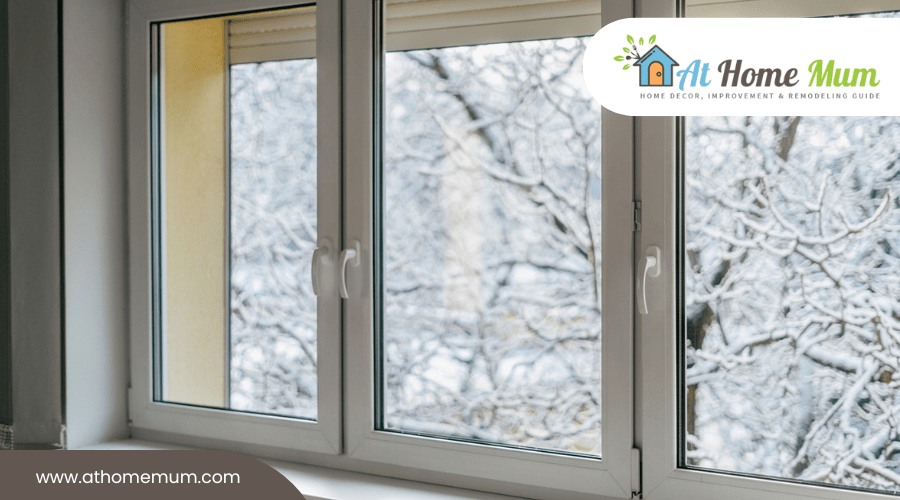
Casement and awning windows can be functional and stylish, suiting many modern homes. They are popular for providing excellent ventilation and energy efficiency while adding to a space's overall look.
However, the performance of these windows often depends on the quality of the hardware used. Choosing the right components is essential to keep them operating effectively and securely. To learn more, here is a guide to the essential hardware for casement and awning windows.
Main Components of Casement and Awning Window Hardware
Each component for casement and awning window hardware is designed to perform a specific task, and they often work together to support the window’s movement, security, and weather resistance. Below are the essential parts that contribute to the performance of these windows.
Crank Handles
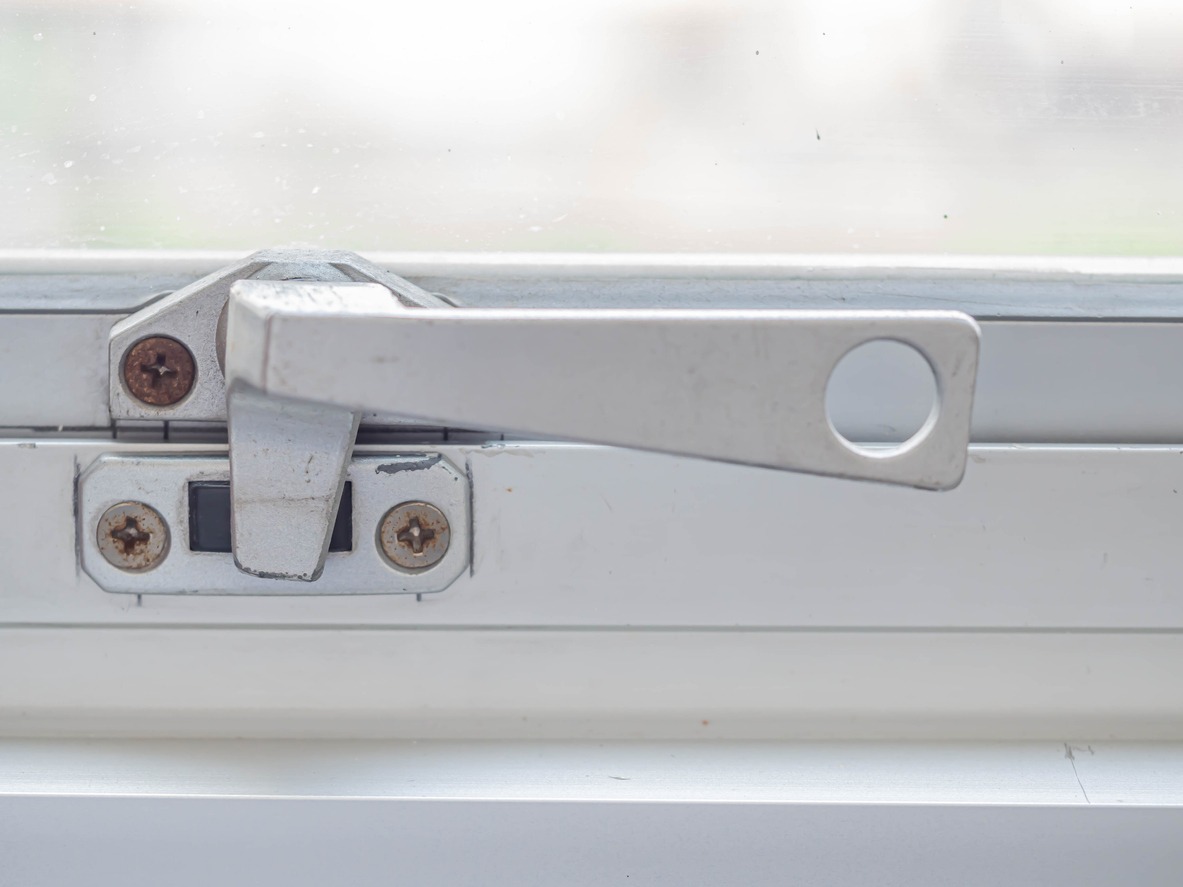
Crank handles are one of the most recognizable parts of casement and awning windows. These handles are used to open and close the window by turning a mechanism that moves the sash. They are particularly useful for windows in hard-to-reach places, allowing for easy operation with minimal effort. Crank handles come in a variety of designs to suit different window styles and personal preferences.
Durability and material choice are important factors for crank handles. Many are made of sturdy metals like stainless steel, while others use lightweight materials such as aluminum. Modern designs often feature ergonomic grips to improve user comfort. Regular maintenance, such as checking for loosened screws, helps keep these handles in good working condition.
Hinges
Hinges allow the window sash to pivot and control how it opens. For casement windows, the hinges are typically placed on the side, while awning windows have hinges at the top. These components must be strong enough to support the weight of the sash while allowing smooth movement. High-quality hinges also contribute to the window’s airtight seal when closed.
Materials used for hinges include stainless steel and brass, both of which resist rust and wear. Adjustable hinges are available for fine-tuning the window's alignment, which helps prevent gaps or improper sealing. Over time, hinges may accumulate dirt or wear out, so cleaning and occasional lubrication are recommended.
Locks and Latches
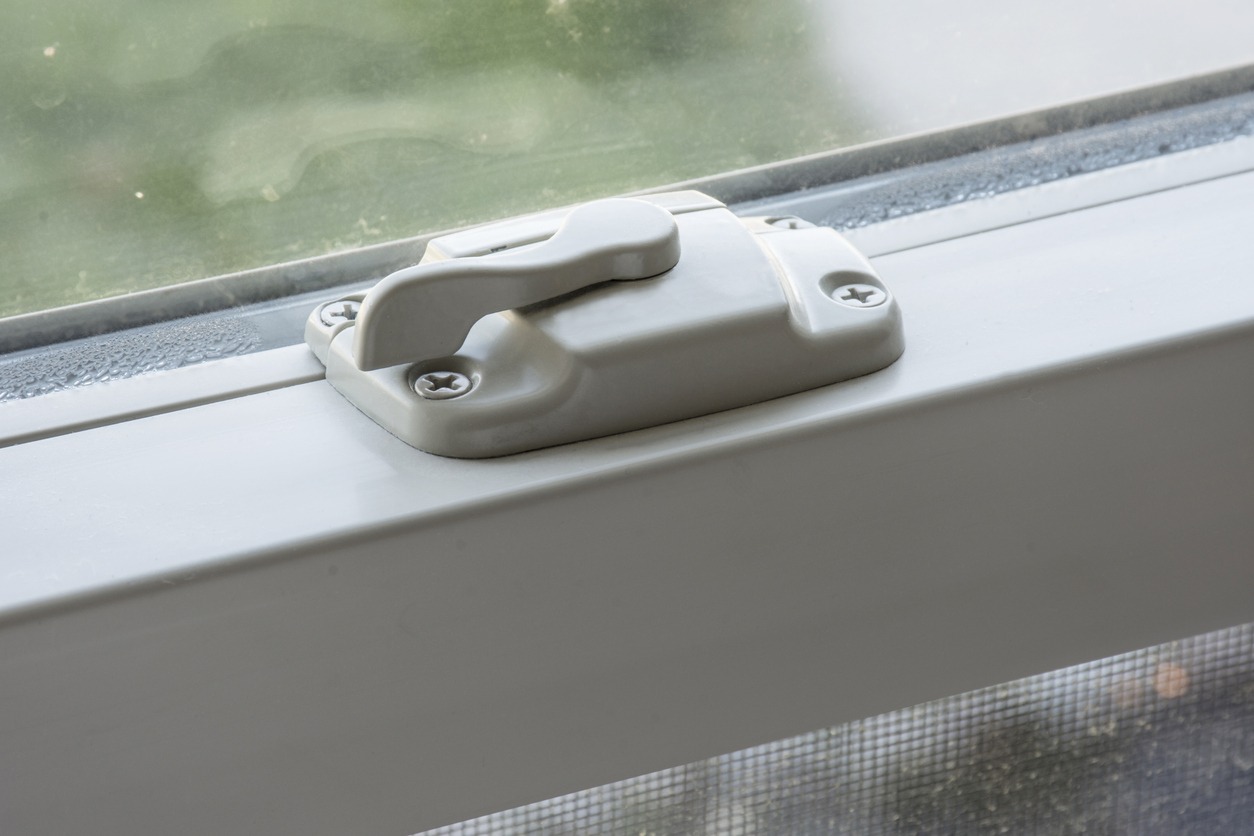
Locks and latches keep the window securely closed and protect against unauthorized access. Casement and awning windows often use cam locks or lever latches, which are simple to operate yet effective. These components also play a role in pressing the sash tightly against the frame, helping to seal out drafts and rain.
Modern locks and latches are designed with both security and style in mind. Some models include additional safety features, such as childproof mechanisms or tamper-resistant designs. Regular inspection of these components is necessary to identify wear or damage, which could compromise the security of the window.
Weather Stripping and Seals
Weather stripping and seals help block air and water from entering through the edges of the window. They are essential for maintaining energy efficiency and preventing damage caused by moisture. Common materials for these components include rubber, silicone, and foam, all of which offer flexibility and durability.
Over time, seals may degrade or become less effective, especially in harsh weather conditions. Replacing worn weather stripping is a simple way to restore the window’s performance. Cleaning these components regularly also helps remove dirt and debris that could affect their function.
Window Operators
Window operators are mechanisms that control how the sash moves when opening or closing the window. Manual operators use a crank handle, while automated versions rely on motors for convenient operation. These components are essential for achieving precise control over the window’s position.
High-quality operators are built to handle repeated use without wearing out quickly. They are typically made of robust materials like stainless steel or heavy-duty plastic. When these parts become stiff or difficult to operate, applying lubrication or replacing worn gears can restore functionality.
Materials and Finish Options for Casement and Awning Windows
The materials and surface treatments used in casement and awning windows affect their durability, appearance, and resistance to wear. Choosing the right combination of materials and finishes helps homeowners match their windows to their needs and preferences. Below are some common options available.
Stainless Steel
Stainless steel is a popular choice for hardware due to its strength and resistance to rust. It performs well in areas exposed to moisture, such as bathrooms or coastal locations, where corrosion is a concern. Its durability makes it ideal for components like hinges, crank handles, and operators that undergo frequent use.
The polished surface of stainless steel gives it a sleek, modern appearance. It complements both contemporary and industrial-style designs. Regular cleaning with mild soap and water helps maintain its look and prevents the buildup of dirt or grime. This material is often chosen for its balance of function and aesthetics.
Aluminum
Aluminum is a lightweight and cost-effective material commonly used in window hardware. Its versatility makes it suitable for a wide range of components, including crank handles, frames, and hinges. While not as strong as stainless steel, aluminum is often treated with coatings to improve its durability.
Anodized aluminum provides additional protection against corrosion and wear. This treatment also allows for a variety of color options, giving homeowners more flexibility in design. Although aluminum requires less maintenance than some materials, periodic inspections help identify any signs of wear or damage.
Brass
Brass is valued for its traditional appearance and long-lasting durability. This material is often used in decorative hardware, such as handles and locks, because of its warm and classic look. Brass develops a natural patina over time, which adds character to its appearance.
Many brass components are coated with a lacquer to prevent tarnishing and maintain their shine. Cleaning brass with gentle solutions keeps it looking polished without causing damage. Its timeless appeal makes it a favorite choice for homeowners who prefer a vintage or elegant aesthetic.
Powder-Coated Finishes
Powder coating is a process that adds a protective layer of color to metal components. It is commonly applied to aluminum and steel, providing a durable surface that resists chipping, scratching, and fading. This option is ideal for outdoor windows where weather exposure is a concern.
The variety of colors available with powder coating allows for more customization. Homeowners can choose finishes that blend with their window frames or complement the overall style of their home. Regular cleaning with a soft cloth and non-abrasive cleaner keeps powder-coated hardware looking fresh.
Plastic and Composite Materials
Plastic and composite materials are often used for lightweight and budget-friendly hardware options. These materials are particularly common in crank handles and operators. Advances in technology have improved their strength and durability, making them suitable for many residential applications.
Plastic components are usually treated to resist UV damage, which prevents fading or brittleness over time. They are available in various colors and textures, offering design flexibility. While plastic hardware is less expensive than metal, it requires careful maintenance to avoid cracking or wear caused by heavy use.
Tips for Maintaining Casement and Awning Windows
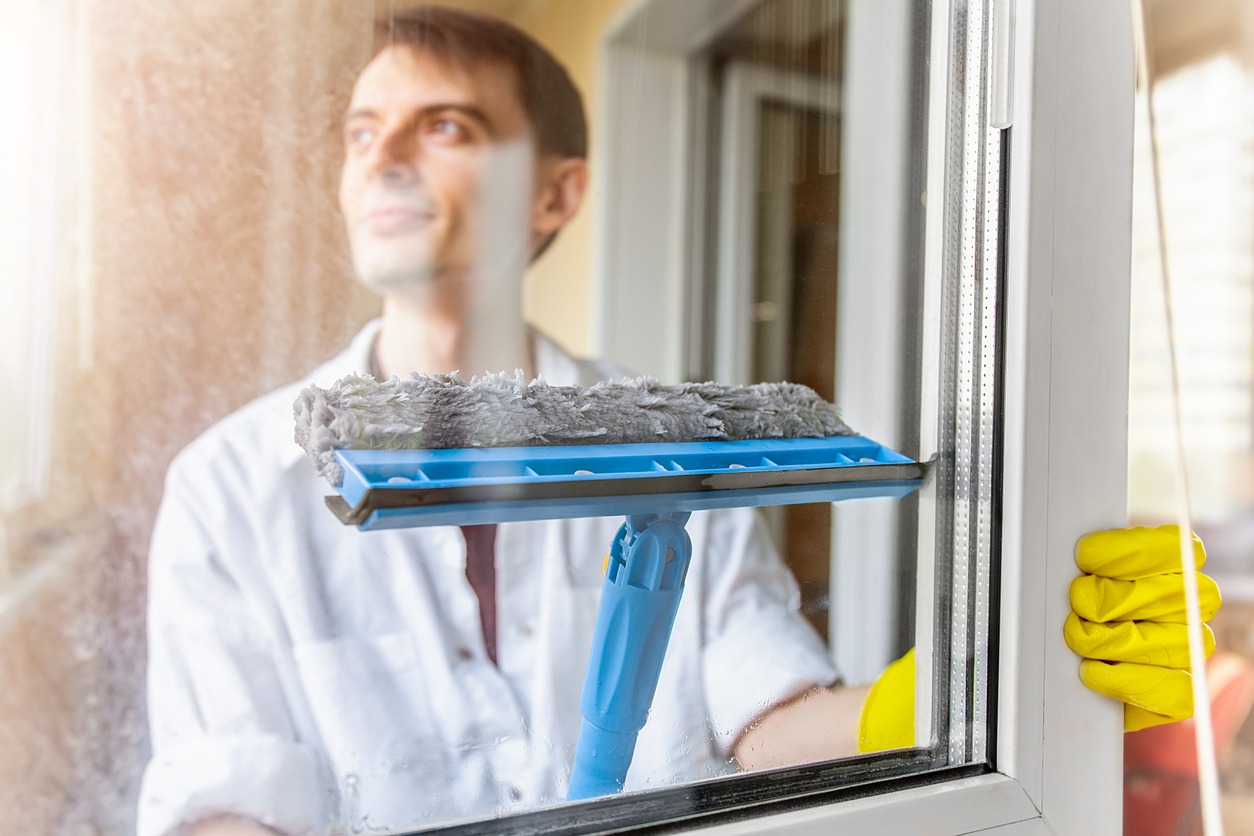
Regular maintenance helps casement and awning windows stay functional and last longer. By focusing on a few key tasks, homeowners can keep their windows looking good and operating properly. Check out these practical tips for maintaining these window types.
- Clean the Tracks and Hinges: Dirt and debris often collect in the tracks and hinges, which can interfere with the window’s movement. Use a soft brush or vacuum to remove loose particles. Wipe the area with a damp cloth to clean away any remaining dust.
- Lubricate Moving Parts: Apply a silicone-based lubricant to hinges, crank handles, and other moving components to keep them operating freely. Avoid oil-based products that can attract dirt and cause buildup over time.
- Inspect the Seals and Weather Stripping: Check for cracks or damage in the seals and weather stripping, as these parts help block drafts and moisture. Replace any worn or broken pieces promptly to maintain energy efficiency.
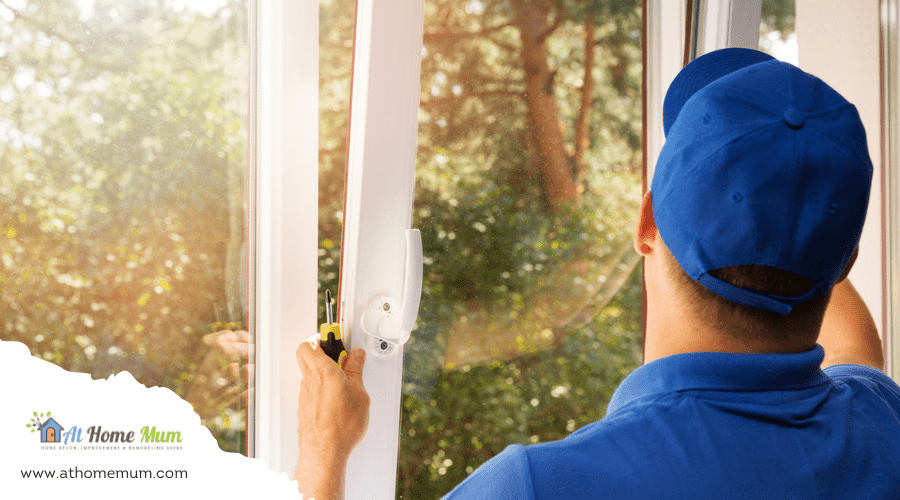
- Tighten Loose Screws: Over time, screws on handles, locks, and hinges may loosen with regular use. Periodically check all fasteners and tighten them as needed to prevent hardware from becoming wobbly or misaligned.
- Check for Corrosion or Rust: Examine metal components like hinges and locks for signs of rust or corrosion, especially in areas with high humidity or salty air. Clean affected parts with a rust remover and consider applying a protective coating.
- Test the Locks and Latches: Operate locks and latches periodically to make sure they function correctly. If they stick or feel hard to use, clean and lubricate them or replace them if necessary.
- Clean Glass and Frames: Use a mild glass cleaner and soft cloth to clean the window panes. For frames, wipe them down with a gentle cleaning solution to remove dirt and stains without damaging the material.
- Avoid Overloading the Window: Do not hang heavy items or apply excessive force to the window sash. This can strain the hinges and other components, which can lead to damage over time.
- Protect Against Weather Damage: During storms or harsh weather, close the windows securely to prevent wind or water from causing damage. For homes in areas with extreme conditions, consider applying protective treatments to exposed hardware.
- Schedule Regular Inspections: Take time to inspect the windows at least once a year. Look for signs of wear, damage, or any issues that could worsen if left unaddressed. Early detection helps reduce the need for major repairs later.
Conclusion
Understanding the essential hardware for casement and awning windows is key to maintaining their functionality, style, and durability. Each component, from hinges to weather stripping, plays a role in how well the windows perform over time. By paying attention to these details, homeowners can enjoy windows that not only look great but also stand up to daily use and changing conditions.