Energy-Efficient Glass Solutions for a Sustainable Home
Energy-efficient glass is changing the way we think about home design and sustainability. These advanced materials offer homeowners a way to reduce energy use while maintaining comfort and style.
With the rising demand for eco-friendly solutions, glass innovations are becoming a cornerstone of modern architecture. They help regulate indoor temperatures and cut heating and cooling costs without compromising natural light.
Continue reading as we discuss how energy-efficient glass solutions are reshaping sustainable living and why they are worth considering for any home.
What is Energy-Efficient Glass?
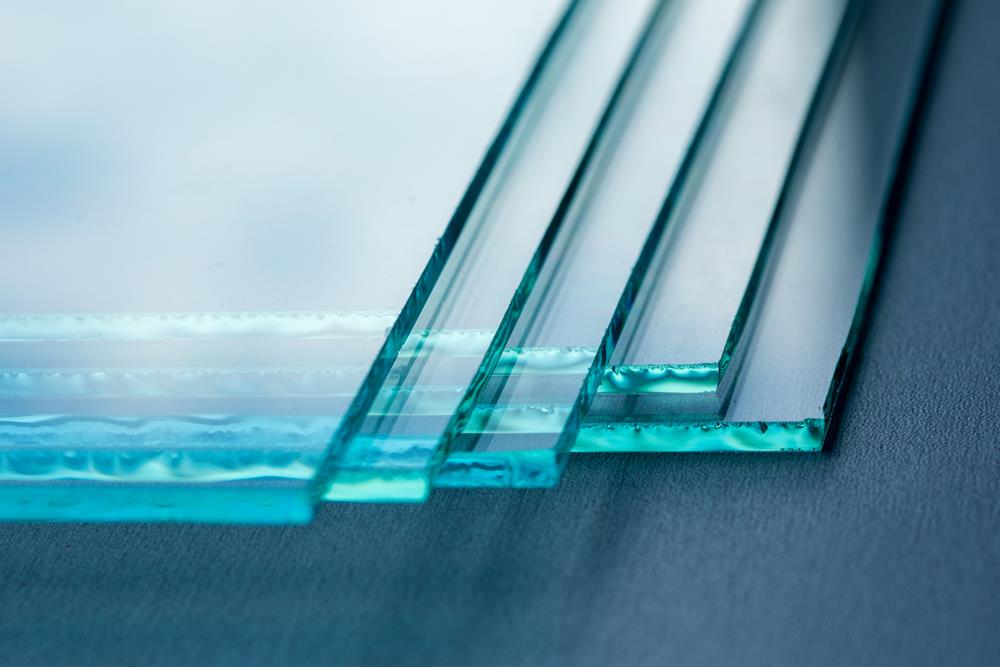
Energy-efficient glass is a modern innovation designed to improve the energy performance of windows and doors. It works by limiting heat transfer and keeping indoor spaces warm in the winter and cool in the summer. This type of glass often features special coatings or layers that reflect heat while allowing natural light to pass through. By reducing energy loss, it helps lower utility bills and contributes to a more sustainable lifestyle.
There are several types of energy-efficient glass, each suited to different needs. Low-emissivity glass has a thin coating that reflects infrared heat back into the home. Double or triple-glazed windows use multiple layers of glass with insulating gas-filled spaces in between. Some versions even include solar control features to block excessive heat from the sun.
Types of Low-E Coatings
Low-emissivity (Low-E) coatings are a component of energy-efficient glass that is designed to improve insulation and regulate heat transfer. These coatings are applied to glass surfaces to reflect heat while still allowing light to pass through. Different types of Low-E coatings are available to meet specific climate and energy needs.
- Hard-Coat Low-E: This coating is applied during the glass manufacturing process while the glass is still hot. It creates a durable layer that is resistant to scratching and suitable for colder climates where retaining heat indoors is a priority.
- Soft-Coat Low-E: Also known as sputtered Low-E, this coating is added after the glass has cooled. It offers higher performance in reflecting heat and is ideal for a variety of climates. However, it is less durable than hard-coat options and often requires additional protection.
- Solar-Control Low-E: This type of coating is designed to block excessive solar heat gain while maintaining clear views. It is commonly used in warm climates to keep interiors cooler and reduce the need for air conditioning.
The Benefits of Energy-Efficient Glass for Homes
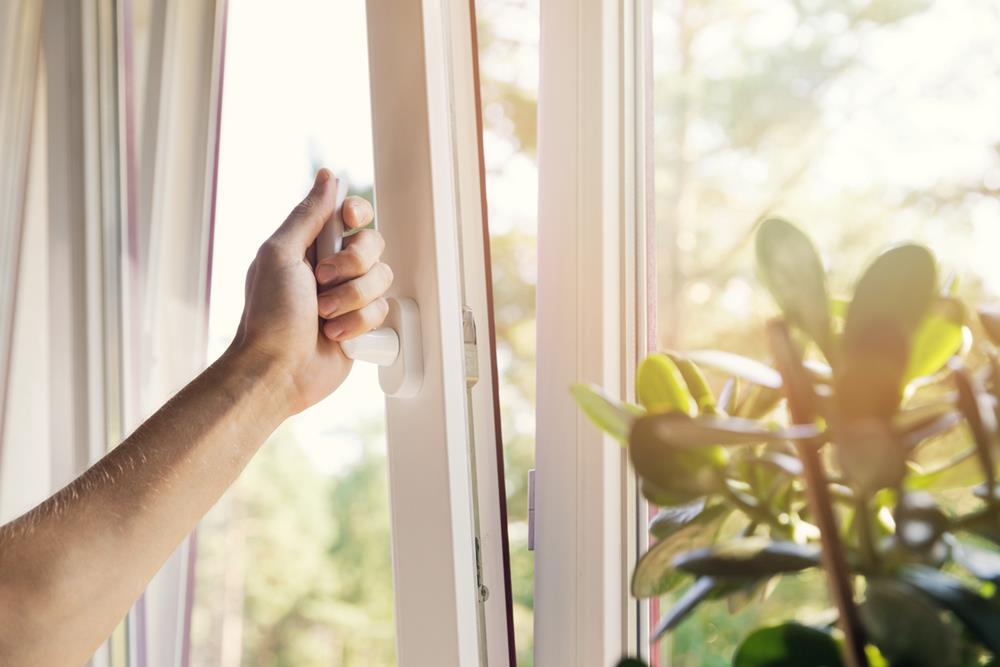
Energy-efficient glass provides several advantages for homeowners looking to improve comfort and energy savings. Here are details about those advantages.
Reduced Energy Costs
Energy-efficient glass lowers energy bills by improving insulation. It keeps warm air inside during winter and blocks heat in summer, reducing the need for heating or cooling systems. This creates a more stable indoor temperature throughout the years and saves money on utilities.
The materials and coatings used in these windows are designed to limit heat transfer. This means homes stay comfortable without over-reliance on appliances. Over time, the savings add up, making it a smart investment for cost-conscious homeowners.
Enhanced Comfort
These windows create a more comfortable living environment by managing indoor temperatures. They prevent drafts and reduce temperature fluctuations near windows, so every room feels consistently pleasant. In summer, they block harsh sunlight, while in winter, they trap warmth.
Natural light can still fill the space without overheating the home or causing glare. Energy-efficient glass allows for a well-lit and comfortable interior while maintaining clear views. This makes it ideal for homes with large windows or sun-exposed areas.
Environmental Benefits
Energy-efficient glass reduces a home's environmental footprint by lowering energy use. With less reliance on heating and cooling systems, homes consume less electricity and fossil fuels. This helps decrease greenhouse gas emissions, which contributes to a healthier planet.
The sustainable design of energy-efficient windows also aligns with efforts to create greener homes. Homeowners adopting these materials support broader goals of energy conservation and environmental responsibility.
How to Find the Best Energy-Efficient Glass for Your Home
Choosing the right energy-efficient glass for your home involves understanding your needs and the available options. With a variety of features and technologies, it's important to make the best decision on what glass suits your climate, budget, and preferences.
Consider Your Climate
The climate you live in plays a key role in selecting energy-efficient glass. Homes in colder regions benefit from glass designed to retain heat, such as those with low-emissivity (Low-E) coatings that reflect warmth back into the room. In warmer climates, glass with solar control features helps block excessive heat while maintaining clear views.
Matching the glass type to your climate ensures it performs as intended throughout the year. Look for energy ratings or certifications that indicate how well the glass handles heat retention or reflection in your specific area.
Understand Glass Ratings
Energy-efficient glass often comes with ratings that describe its performance. The U-factor measures how well the glass prevents heat from escaping, with lower numbers indicating better insulation. The Solar Heat Gain Coefficient (SHGC) shows how much solar heat the glass allows to enter, and a lower SHGC is ideal for warm climates.
Check for certifications like ENERGY STAR or similar programs that verify the efficiency of the product. Understanding these ratings helps you compare options and select the most suitable glass for your energy needs and budget.
Think About Your Home's Design
The size, orientation, and purpose of your windows should influence your choice of energy-efficient glass. Large windows facing the sun may need glass with stronger solar control properties, while smaller, north-facing windows may focus on heat retention. The type of frames used with the glass also impacts overall energy efficiency.
Consider how the glass integrates with your home's style and layout. Some homeowners may prefer tinted or coated glass to reduce glare, while others prioritize maximizing natural light.
Conclusion
Energy-efficient glass is a practical step toward creating a more sustainable and comfortable home. By understanding the options available and choosing the right solutions for your climate and needs, you can make your home more efficient and environmentally friendly. With the growing availability of advanced materials, upgrading to energy-efficient glass is a decision that benefits both homeowners and the planet