Do You Need a New TV Stand for Your New TV?
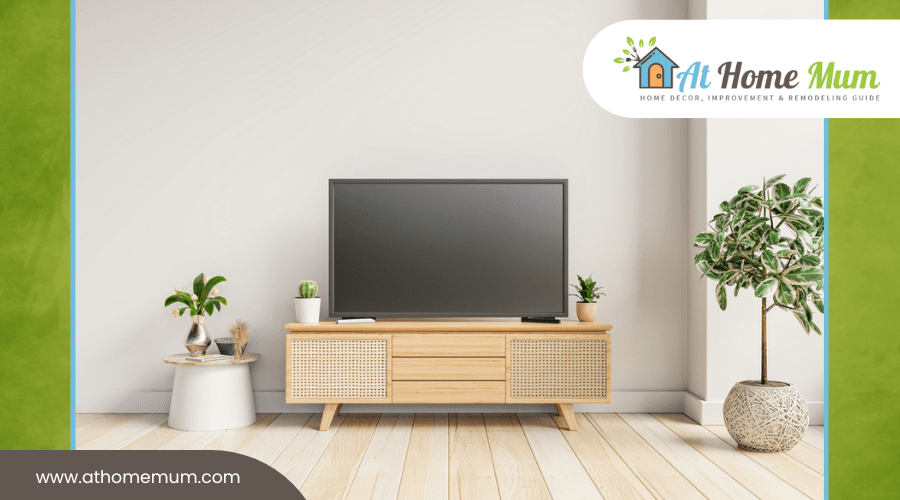
Upgrading to a new TV is always exciting. It brings better picture quality, new features, and a fresh viewing experience. But as you unbox your new screen, there’s an important question to consider: does your current TV stand fit the bill?
A sturdy and stylish stand isn’t just about looks, as it can also help in keeping your TV safe and organized. Before settling on your setup, it’s worth taking a closer look at how your stand measures up to your new TV’s size and needs.
Assessing Your Current TV Stand
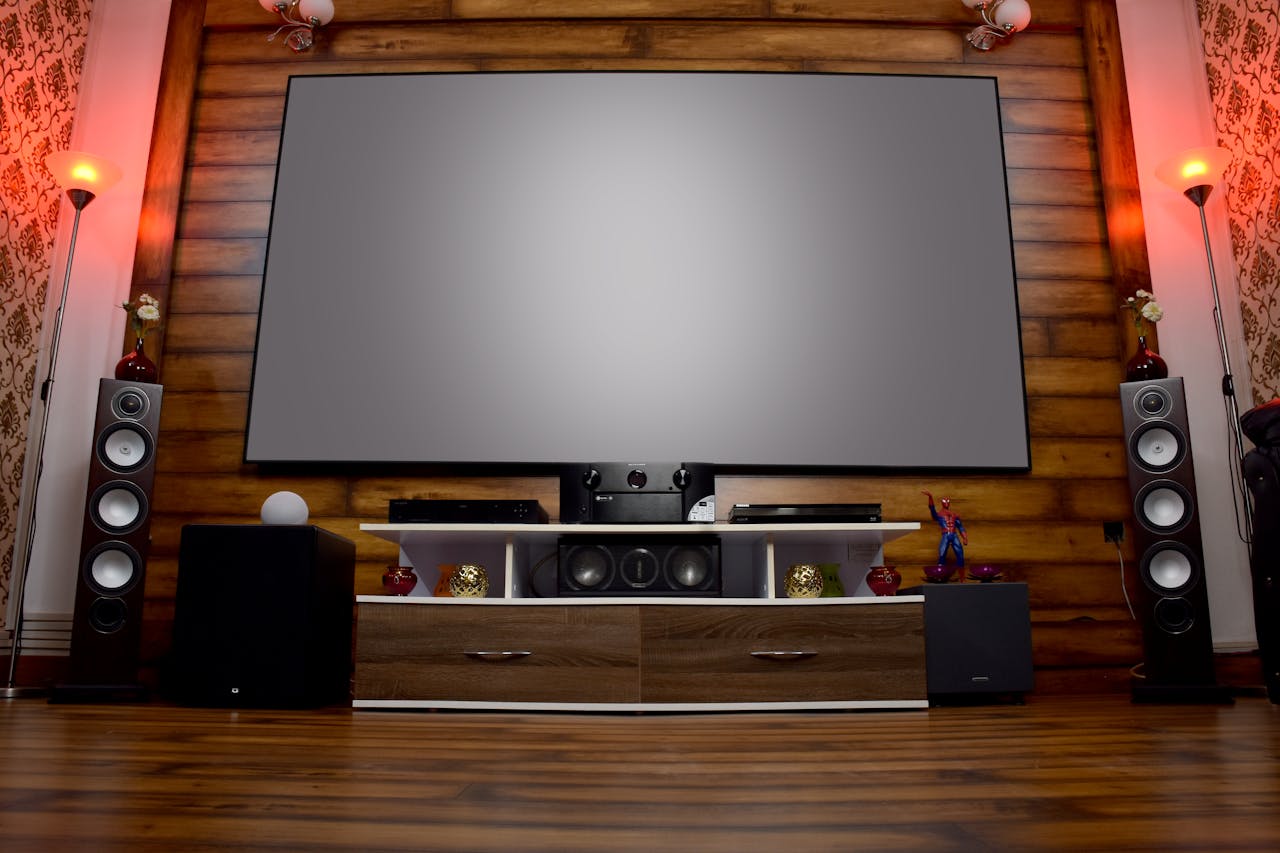
Your current TV stand might seem like a good fit, but it’s important to evaluate whether it meets the demands of your new TV. Below are the factors to consider when assessing your setup:
- Size Compatibility: Measure the dimensions of your new TV and compare them to the stand. The stand should be wide enough to support the TV without overhang and sturdy enough to hold its weight.
- Stability and Safety: Check if the stand is strong and stable. Wobbly stands or those not designed for larger TVs could pose a risk, especially in households with children or pets.
- Cable Management: Look at how your current stand handles cables. A good stand will have features like openings or compartments to keep cords neat and organized.
- Storage Space: Consider whether the stand has enough room for devices like gaming consoles, streaming boxes, or soundbars. Open or closed storage can also influence how tidy your setup looks.
- Aesthetics: Evaluate how well the stand matches the style and design of your living space. A mismatch in design might stand out, even if it functions well.
Tips for Shopping for a New TV Stand
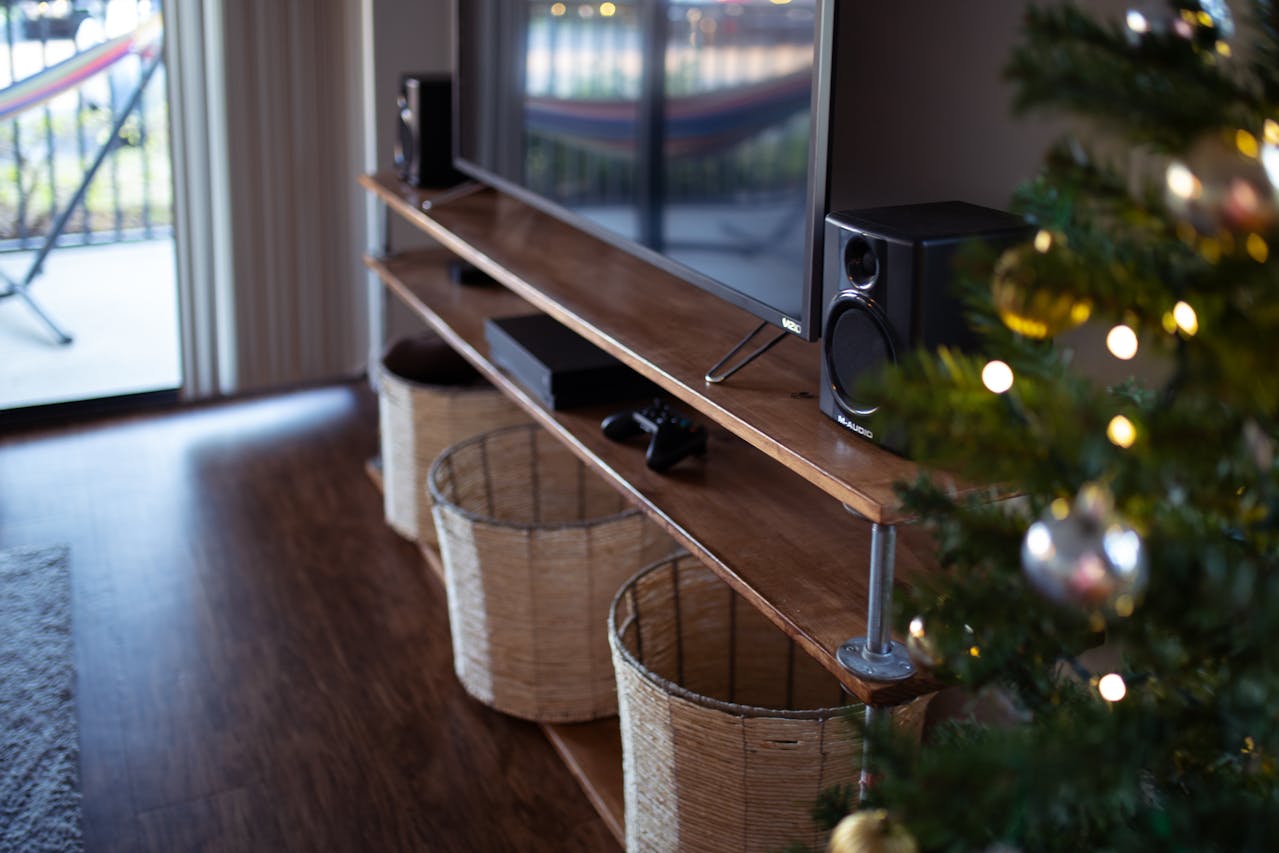
If the old TV stand isn’t compatible with your new TV, you may need to buy a new stand that can support the weight of the TV while also enhancing its visual appeal. Here are some basic tips to guide your purchase.
Measure Your Space and TV
Start by measuring the area where the TV stand will go. This includes the length, width, and height of the space to avoid picking a stand that’s too large or small. Don’t forget to consider the TV’s size, as the stand should be slightly wider than the screen for stability and aesthetics. Proper measurements prevent overcrowding or awkward gaps in your room.
Also, think about the viewing angle. A stand that places your TV at eye level when seated will provide a more comfortable experience. Keep in mind how the dimensions of the stand will work with other furniture in the room, such as couches or coffee tables.
Prioritize Storage Needs
Look at how much storage the stand offers for devices and accessories. Open shelves are great for easy access to consoles or streaming boxes, while cabinets and drawers hide clutter like remotes or cables. If you have multiple gadgets, choose a stand with enough compartments to avoid cramming items together.
Think about ventilation as well. Electronic devices generate heat, so the stand should allow airflow to prevent overheating. Adjustable shelving is another useful feature if you plan to store items of varying sizes.
Match the Style to Your Room
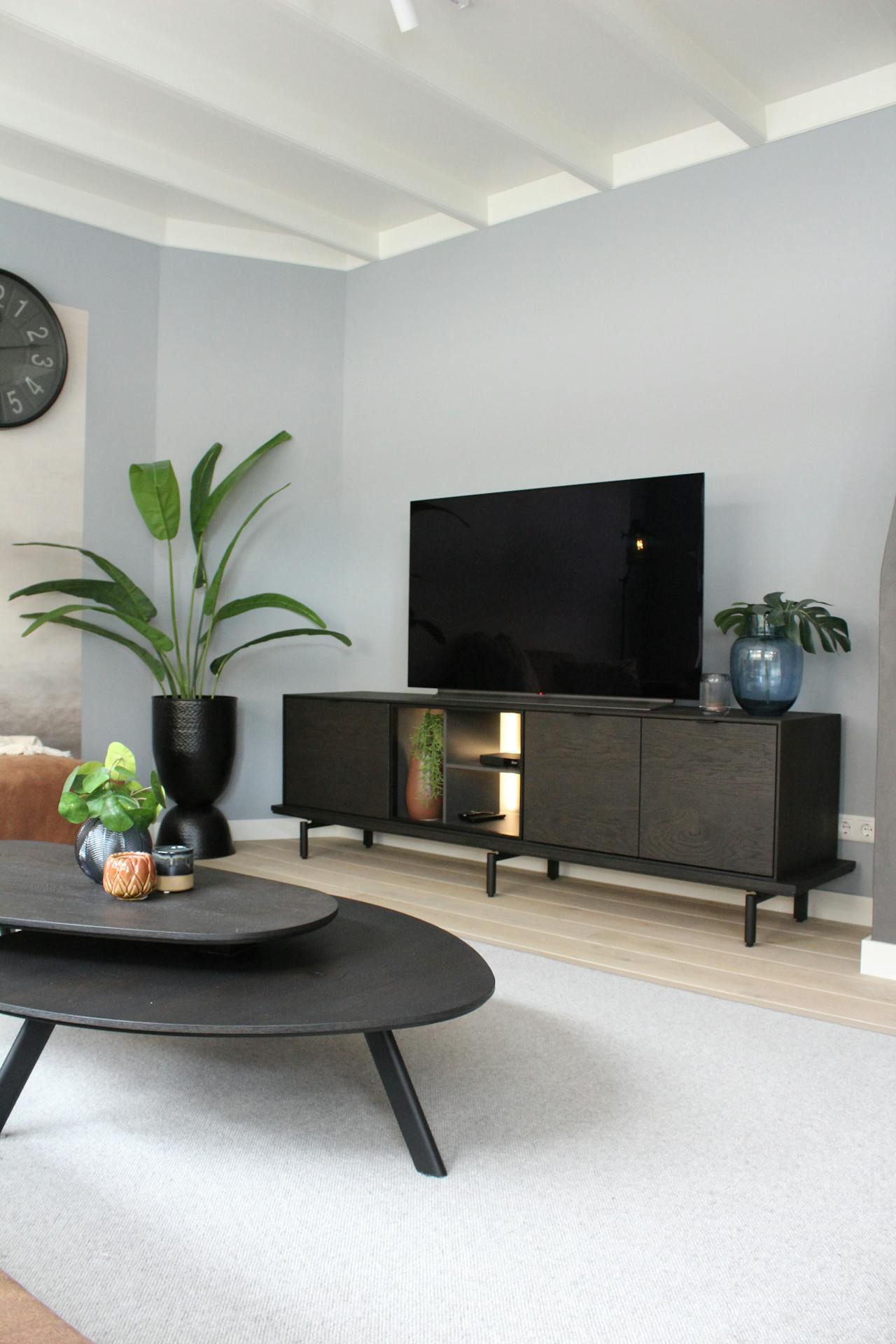
The stand should complement your room’s overall aesthetic. If you have a modern space, a sleek stand with clean lines and minimalistic features works well. For a more traditional look, a wooden stand with a rich finish could blend in better. The material and color you choose will influence how the stand fits into the rest of the room.
Also, consider the durability of the material. Stands made of solid wood or metal are sturdy and long-lasting, while glass or particleboard options might be less durable but more affordable. The choice depends on your budget and how much wear and tear the stand is likely to face.
Check Weight Capacity
Make sure the stand can handle the weight of your TV and any additional devices. TVs have become lighter over the years, but heavier stands often provide more stability. Look for the weight limit in the product specifications to avoid buying something that won’t support your setup.
If you’re planning to store heavier items like speakers or receivers, include those in your weight calculations. A stand that’s overloaded could risk tipping or breaking, so it’s better to have a stand with a higher weight capacity than you think you’ll need.
Read Reviews and Compare Prices
Online reviews are helpful for getting a sense of the quality and functionality of a stand. Look for feedback on stability, ease of assembly, and how well the product matches its description. Reviews often point out details that aren’t obvious in product listings.
Take time to compare prices across different retailers. Some stores might have discounts or bundle deals, especially during sales events. Balancing cost with quality will help you find a stand that fits your budget without sacrificing durability or style.
When a Wall Mount Might Be a Better Option

A TV stand isn’t the only option for setting up your new television. Wall mounts are becoming increasingly popular as they offer flexibility and a modern look. In some cases, a wall mount might be a better fit for your needs. Check out these reasons to consider one:
- Space-Saving Design: Wall mounts free up floor space, which is especially useful in smaller rooms. By mounting your TV on the wall, you open up the area for other furniture or create a cleaner, less cluttered environment. It’s a practical solution for apartments or spaces where every square foot counts.
- Modern Aesthetics: A mounted TV creates a sleek and minimalist look that works well with contemporary decor. Without a stand, the focus stays on the screen, giving your entertainment setup a more polished appearance. Pairing a wall-mounted TV with floating shelves can keep things organized while maintaining the modern feel.
- Flexible Viewing Angles: Many wall mounts allow you to tilt, swivel, or extend the TV. This adjustability lets you achieve the perfect viewing angle, no matter where you’re sitting in the room. It’s particularly useful in spaces with multiple seating areas or windows that create glare during the day.
- Child and Pet Safety: Mounting a TV on the wall keeps it out of reach of curious kids or pets. This can help reduce the risk of accidental tipping or damage, giving you peace of mind in a busy household.
- More Floor Options for Sound Systems and Storage: With the TV off the stand, you have more freedom to choose furniture that suits your storage and sound system needs. You could opt for a low console or shelves that better match your style without worrying about balancing a large TV on top.
Conclusion
Choosing the right setup for your new TV is an important part of enhancing your viewing experience. By considering factors like size, stability, storage, and aesthetics, you can find a solution that works for both your TV and your room. Taking the time to make the right choice will help you get the most out of your new entertainment setup.