Discover the Different Types of Windows for Your Home
Windows are not just openings in your home, as they also frame your view, let in natural light, and influence the comfort of your living spaces.
Choosing the right type of window is an important decision that affects both the style and functionality of your house. Read on as we discuss the different types of windows to know which ones are perfect for your home.
Factors to Consider When Choosing Windows
Choosing windows for your home involves more than just picking a style you like. Each option affects how your space looks, feels, and functions. Here are the factors to keep in mind:
- Purpose: Consider how the window will be used. Will it provide ventilation, bring in more light, or simply serve as a decorative feature?
- Style: Match the window design to your home’s overall architecture for a cohesive look.
- Energy Efficiency: Look for features like double glazing, insulated frames, or low-E coatings to help reduce energy bills.
- Durability: Select materials that can withstand the climate in your area, like aluminum for humid regions or vinyl for low-maintenance needs.
- Budget: Factor in both the initial cost and long-term savings, such as energy efficiency or reduced maintenance.
- Maintenance Needs: Some materials, like wood, require more care, while others, like fiberglass, are easier to maintain.
- Security: Check for locking mechanisms and overall strength to keep your home safe.
By thinking through these aspects, you’ll be better prepared to choose windows that meet your needs and suit your home.
Common Types of Windows
Windows come in many styles, and each is designed to suit different needs and preferences. Here is a list of the most popular window styles and what they offer.
Single-hung and Double-hung Windows
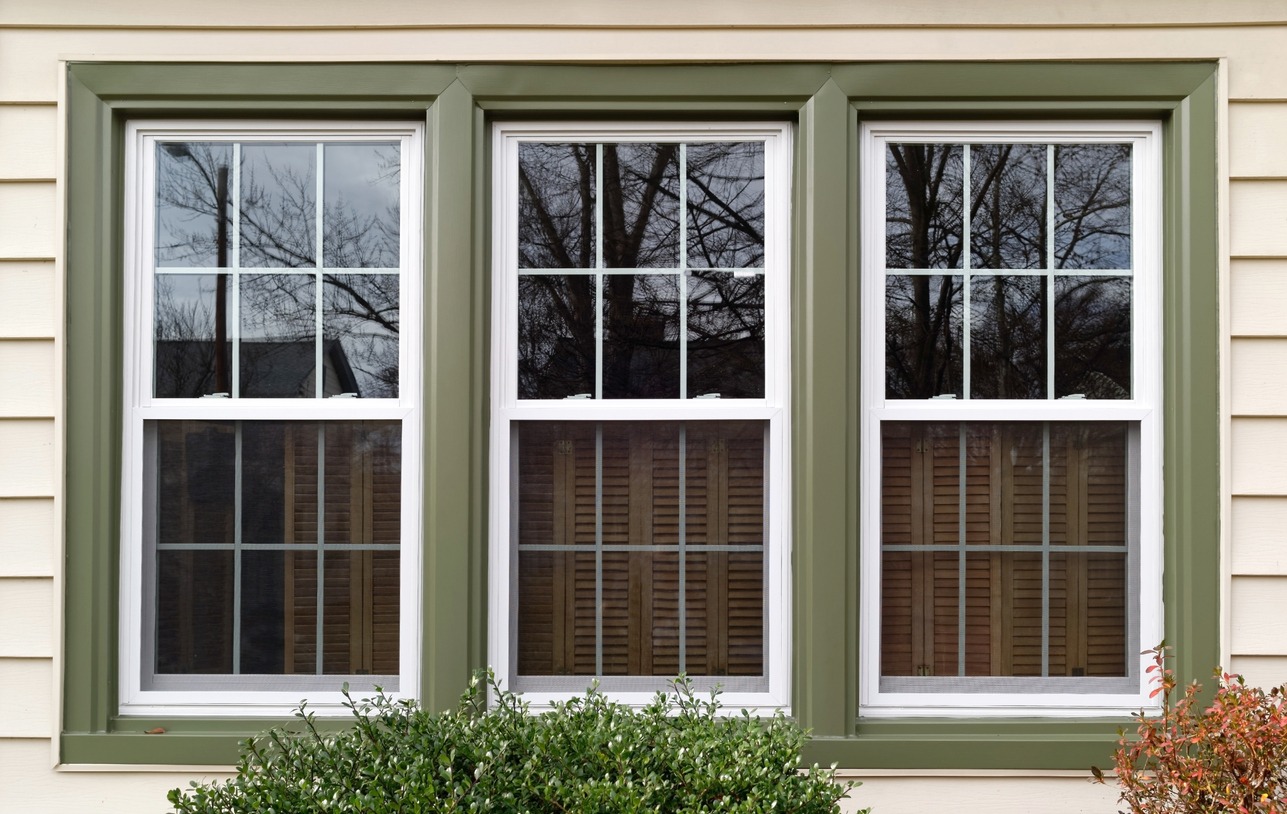
Single-hung and double-hung windows are classic choices found in many homes. Single-hung windows have a fixed upper sash, while the lower sash moves up and down. Double-hung windows allow both sashes to move and provide better ventilation and easier cleaning. Their timeless design works well in traditional and modern homes alike.
These windows are versatile and fit in a variety of rooms, from bedrooms to kitchens. Double-hung windows, in particular, are practical for homes with children or pets, as the top sash can be opened for ventilation while keeping the lower sash closed for safety.
Casement Windows
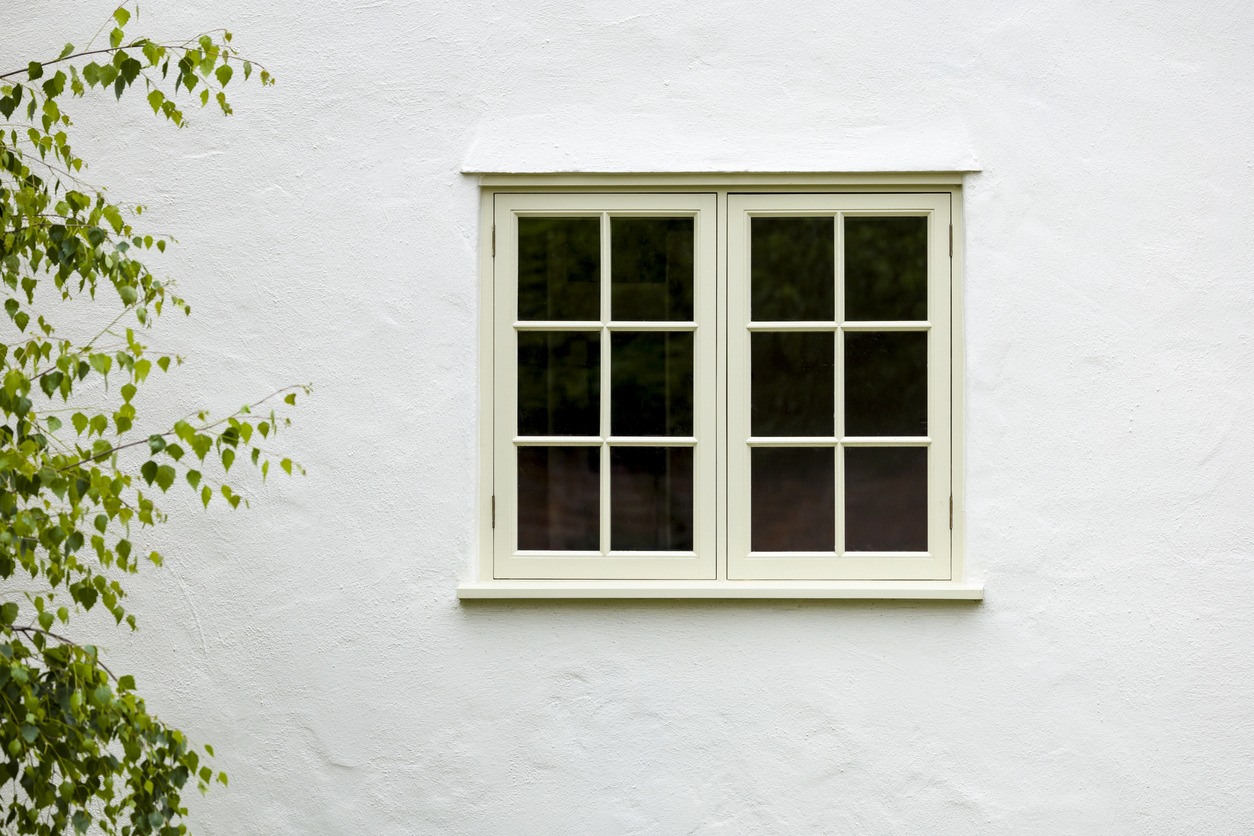
Casement windows are hinged on one side and open outward like a door. They are operated using a crank, making them easy to open and close. Their design allows for maximum ventilation and unobstructed views.
These windows seal tightly when closed, which helps with energy efficiency. They are often used in kitchens or bathrooms, where their simple operation and ability to catch breezes are especially useful.
Bay and Bow Windows
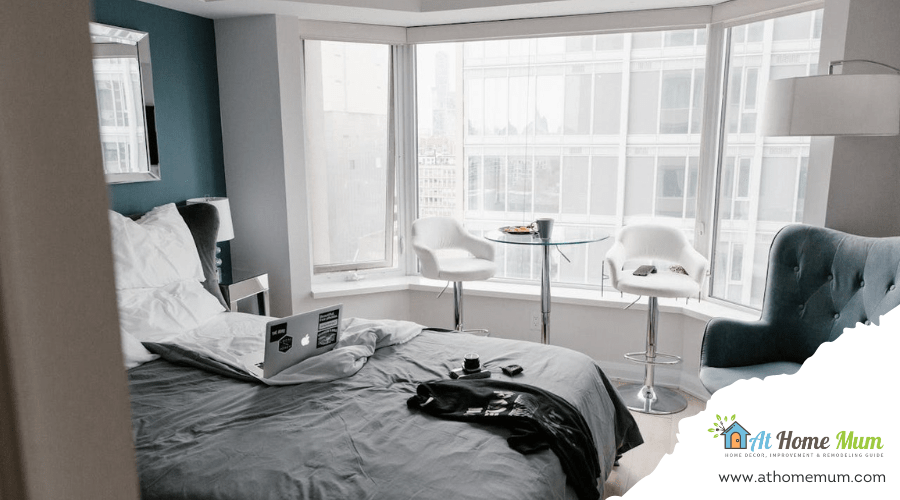
Bay and bow windows extend outward from the wall and create a unique architectural feature. Bay windows typically have three panels, while bow windows are made up of four or more. They add space and light to a room, which then makes them ideal for living rooms or reading nooks.
These windows offer expansive views and make rooms feel larger. Their design creates a cozy area inside the home that is perfect for seating or decorative displays.
Sliding Windows
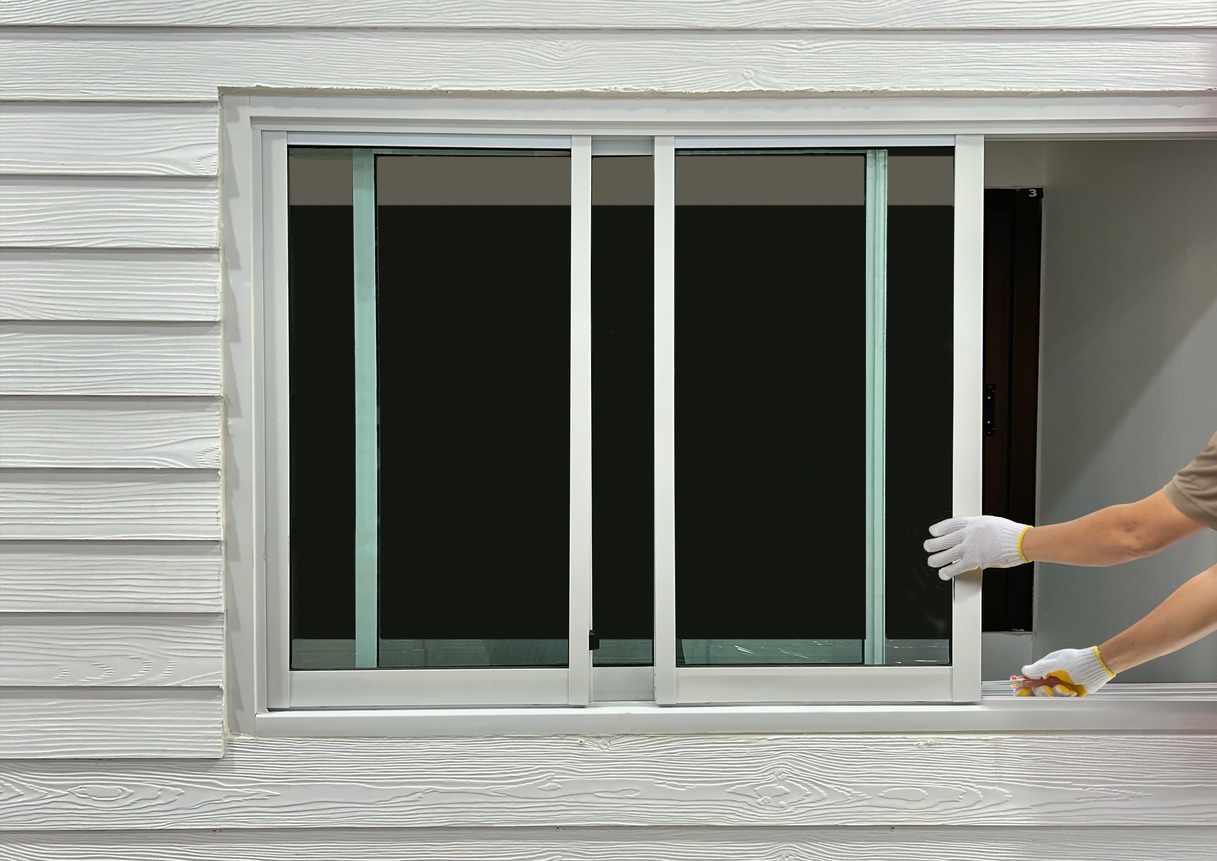
Sliding windows move horizontally along a track, offering a sleek and functional design. They are easy to operate and don’t require extra space to open. So, they are perfect for tight areas or rooms with limited wall space.
These windows are often used in basements, kitchens, or smaller rooms. Their wide panes let in plenty of natural light and provide clear views and add to the sense of openness in a space.
Picture Windows
Picture windows are fixed and do not open. They are designed to provide unobstructed views of the outdoors and let in abundant natural light. These windows are perfect for spaces where ventilation is not a priority.
Often used in living rooms or high-ceilinged areas, picture windows make a bold visual statement. They pair well with other types of windows to add functionality while keeping their striking aesthetic.
Awning Windows
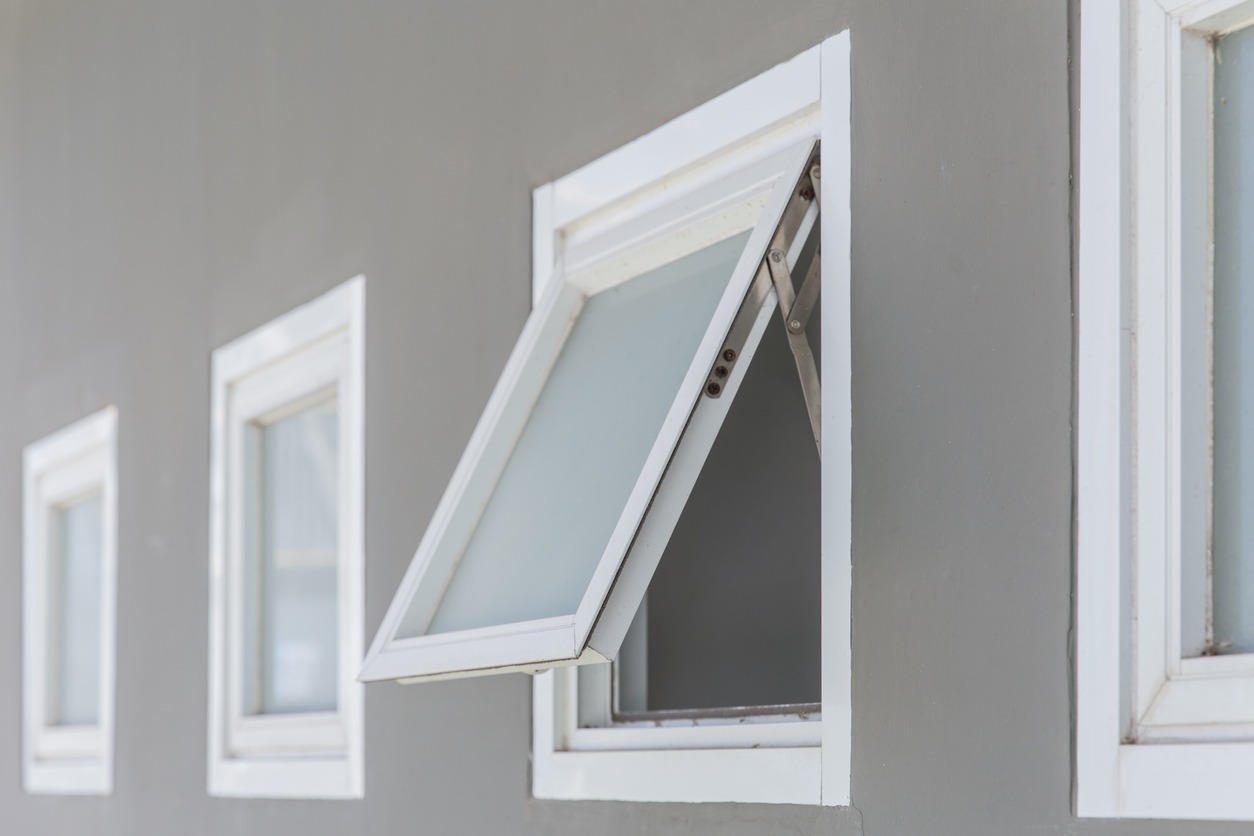
Awning windows are hinged at the top and open outward. Their design allows them to stay open even during light rain, providing ventilation without letting water inside. This makes them a practical choice for wet climates.
They are often installed higher on walls for privacy or paired with other window types for added functionality. Their compact design works well in bathrooms, basements, or as accents in living areas.
Skylights
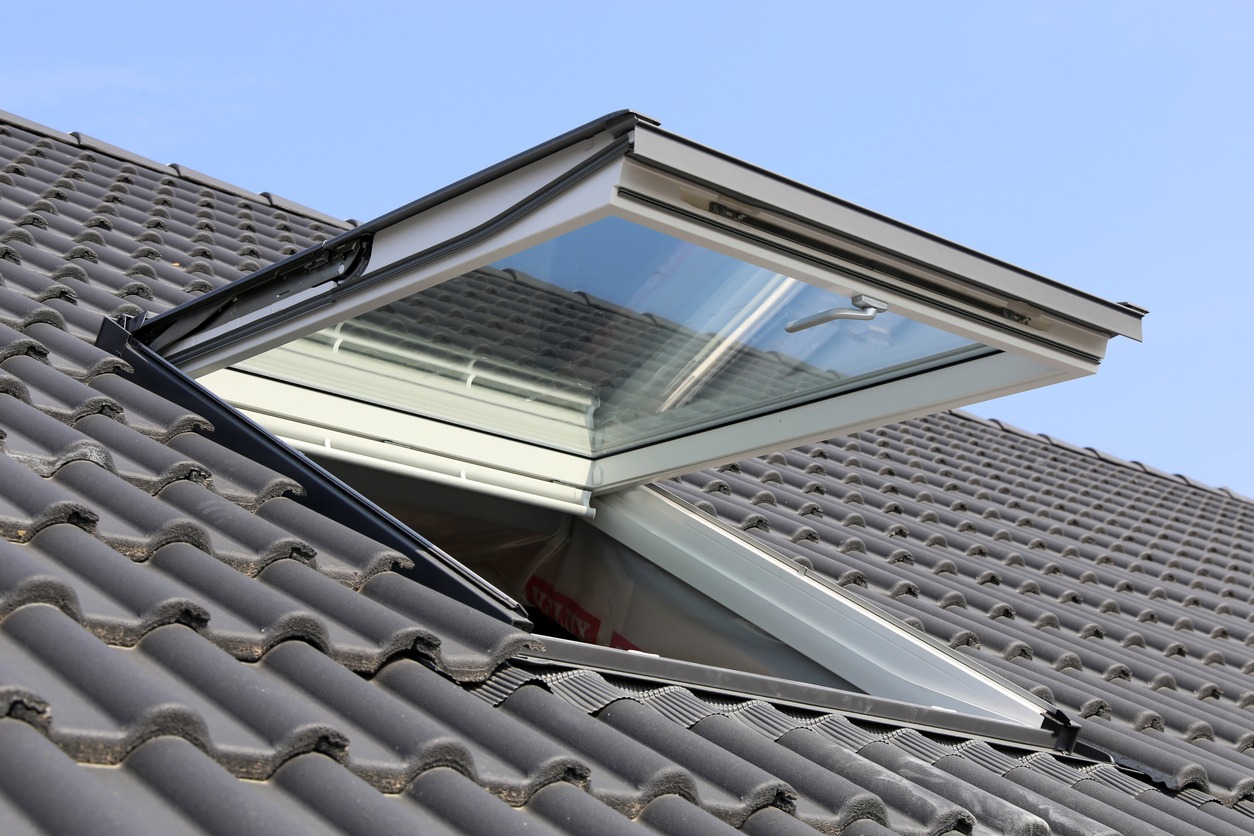
Skylights are installed in ceilings and bring in overhead natural light. They brighten rooms that might not have wall space for traditional windows. Some skylights can be vented to allow for airflow.
These windows are ideal for bathrooms, attics, or any space that needs more light. They also help create a more open and airy feel in darker areas of the home.
Materials for Window Frames
The material used for window frames affects their durability, maintenance, energy efficiency, and appearance. Below are the most common materials used for window frames:
- Wood: Wood is a classic choice that adds warmth and elegance to any home. It offers excellent insulation but requires regular maintenance to protect against moisture and pests.
- Vinyl: Vinyl frames are affordable and low-maintenance. They resist fading, warping, and peeling, making them a practical option for many homeowners.
- Aluminum: Aluminum frames are lightweight, strong, and durable. They are a good choice for modern homes, though they are less effective at insulating compared to other materials.
- Fiberglass: Fiberglass frames are known for their strength and energy efficiency. They resist warping and rotting, making them ideal for harsh climates.
- Composite: Composite frames combine materials like wood and resin for enhanced durability and insulation. They offer the look of wood with less upkeep.
Each material has unique qualities that can meet different needs and preferences. Choosing the right one depends on your priorities, such as style, maintenance, and energy efficiency.
Choosing the Right Window for Your Home
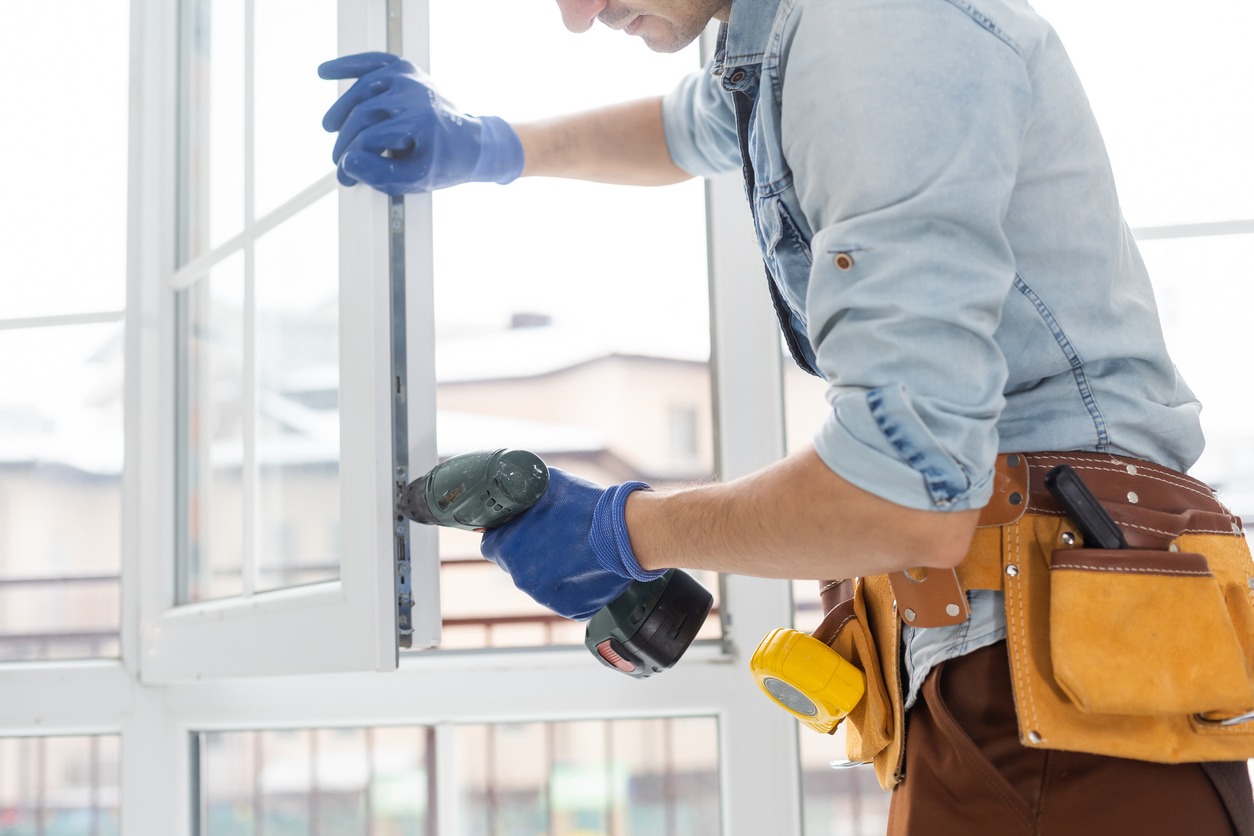
With so many options available for window styles and materials, it’s helpful to focus on what matters most for your home’s needs. Check out the tips to guide your decision in choosing the right windows below.
Match the Style to Your Home
Choose windows that complement the architectural design of your house. Traditional homes often look best with classic styles like double-hung or casement windows, while modern designs may suit larger pictures or sliding windows.
Consider the Room’s Purpose
Think about how the room will be used. For spaces like kitchens or bathrooms, ventilation is essential, so casement or awning windows work well. In living rooms, picture or bay windows create a bright and open feel.
Evaluate Energy Efficiency
Look for energy-efficient features like double or triple glazing, low-E coatings, and insulated frames. These features help reduce heating and cooling costs while maintaining a comfortable indoor temperature.
Think About Maintenance
Choose a material and style that matches your maintenance preferences. Vinyl and fiberglass frames are low-maintenance, while wood frames require more care but offer a timeless look.
Set a Budget
Consider both the upfront costs and the long-term value of your windows. While some materials and styles may be more expensive initially, they could save money on energy bills or maintenance over time.
Prioritize Safety
Look for windows with secure locking mechanisms and durable materials. If safety is a concern, especially on lower floors, consider tempered glass or reinforced frames.
Conclusion
Windows are an essential part of any home, as they help shape how the home looks, feels, and functions. Choosing the right type involves understanding your needs, considering the style of your house, and thinking about practical factors like energy efficiency and maintenance. Pick the windows that not only improve the appearance of your home but also improve its functionality.