Different Types of Glass Found in Homes and Their Uses
Glass is an essential part of every home, and it serves both functional and decorative purposes while offering solutions for safety, insulation, and style. While often overlooked, the type of glass used in a home can define how well it meets the needs of its occupants. To know more, here is a guide to the different types of glass found in homes and their uses.
Types of Glass Commonly Used in Homes
The glass used in homes serves various purposes, ranging from providing safety to enhancing aesthetics. Each type is designed with unique properties to address specific needs. Below are the most common types of glass found in residential spaces and how they are typically used.
Annealed Glass
Annealed glass is the most basic type of glass, made through a slow cooling process that reduces internal stress. It is often used in standard windows, picture frames, and other applications where strength and safety are not primary concerns. Its clarity and affordability make it a popular choice for everyday use.
However, annealed glass is prone to breaking into large, sharp pieces when shattered, which can pose a safety risk. Because of this, it is less suitable for areas where durability and safety are important, such as on doors or in bathrooms.
Tempered Glass
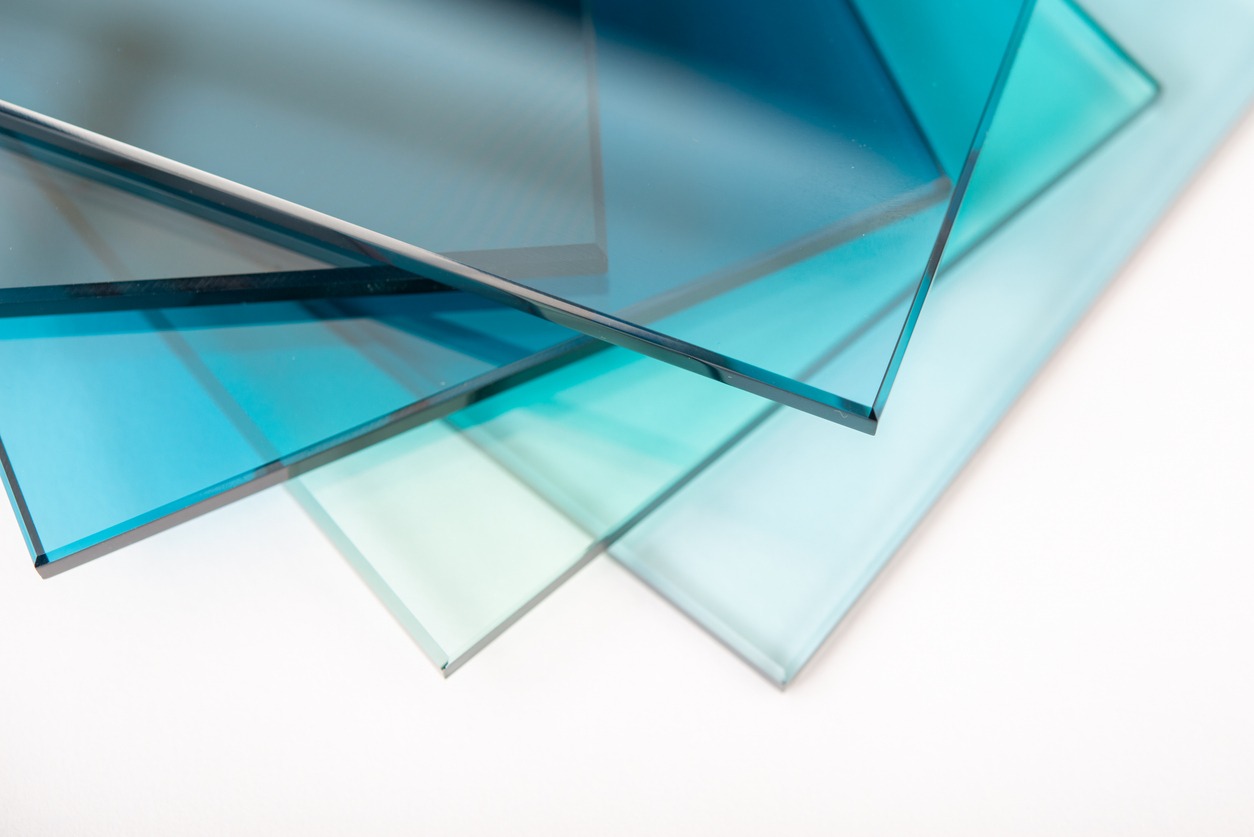
Tempered glass is treated with heat or chemicals to make it much stronger than regular glass. It is designed to shatter into small and less harmful pieces when broken. This type of glass is commonly used in shower doors, sliding doors, and tabletops.
Its strength and safety features make it ideal for high-traffic areas and spaces where the risk of breakage is higher. Additionally, it can withstand temperature changes, which is why it is also used in ovens and fireplace doors.
Low-E Glass
Low-E (low-emissivity) glass is coated with a thin, transparent layer that reflects heat while allowing light to pass through. This energy-efficient glass helps keep homes warmer in the winter and cooler in the summer. It is often used in windows and glass doors to improve insulation.
In addition to reducing energy costs, Low-E glass protects interiors from harmful UV rays without sacrificing natural light. This makes it a popular choice for modern and energy-conscious homes.
Laminated Glass
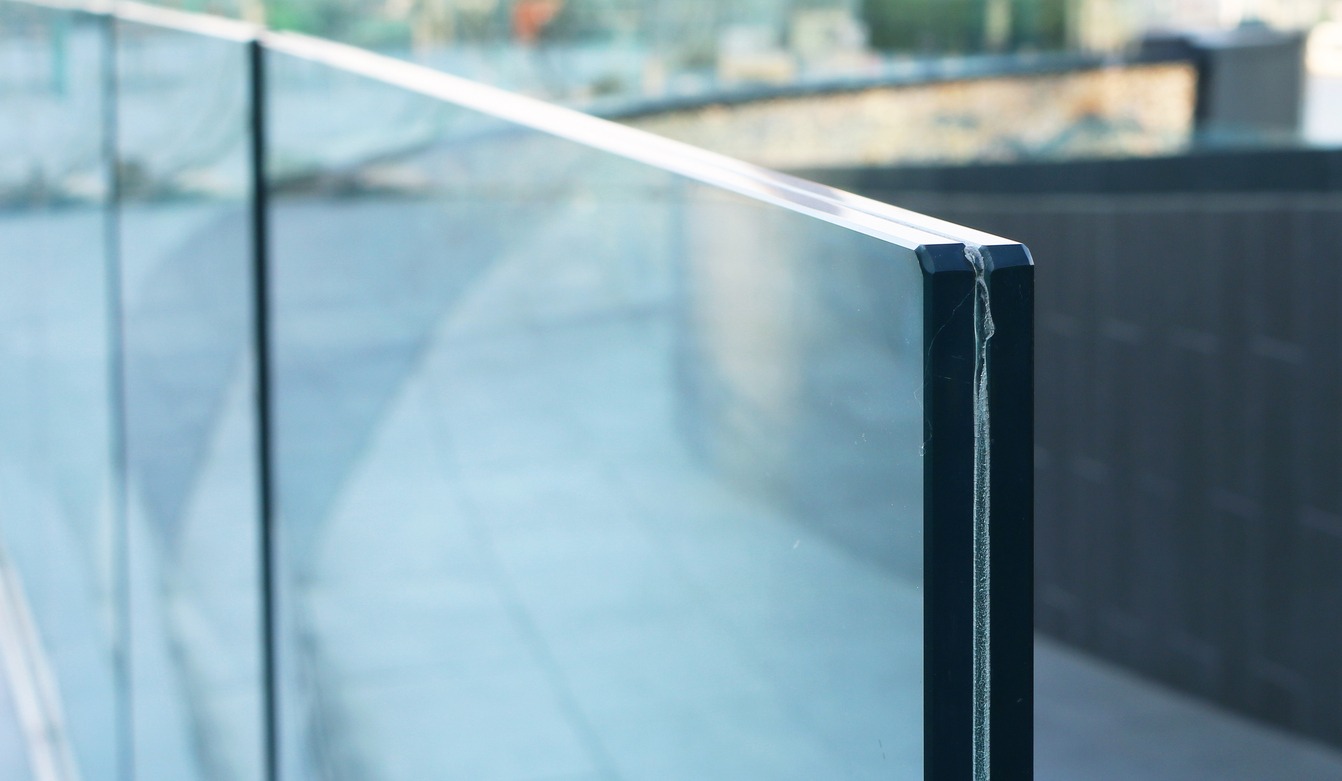
Laminated glass is made by sandwiching a layer of plastic or resin between two sheets of glass. This design keeps the glass intact even when shattered, as the interlayer holds the fragments together. It is often used in skylights, hurricane-resistant windows, and soundproofing applications.
The durability and safety of laminated glass make it a good choice for areas prone to severe weather or noise pollution. It also provides UV protection and helps to prevent furniture and flooring from fading over time.
Frosted Glass
Frosted glass is made by etching or sandblasting one side of the glass to create a translucent surface. It allows light to pass through while providing privacy, which makes it ideal for bathroom windows, shower enclosures, and cabinet doors.
This type of glass is often chosen for its aesthetic appeal as well as its functionality. It is available in various patterns and designs while allowing homeowners to add a decorative element to their spaces.
Tinted Glass
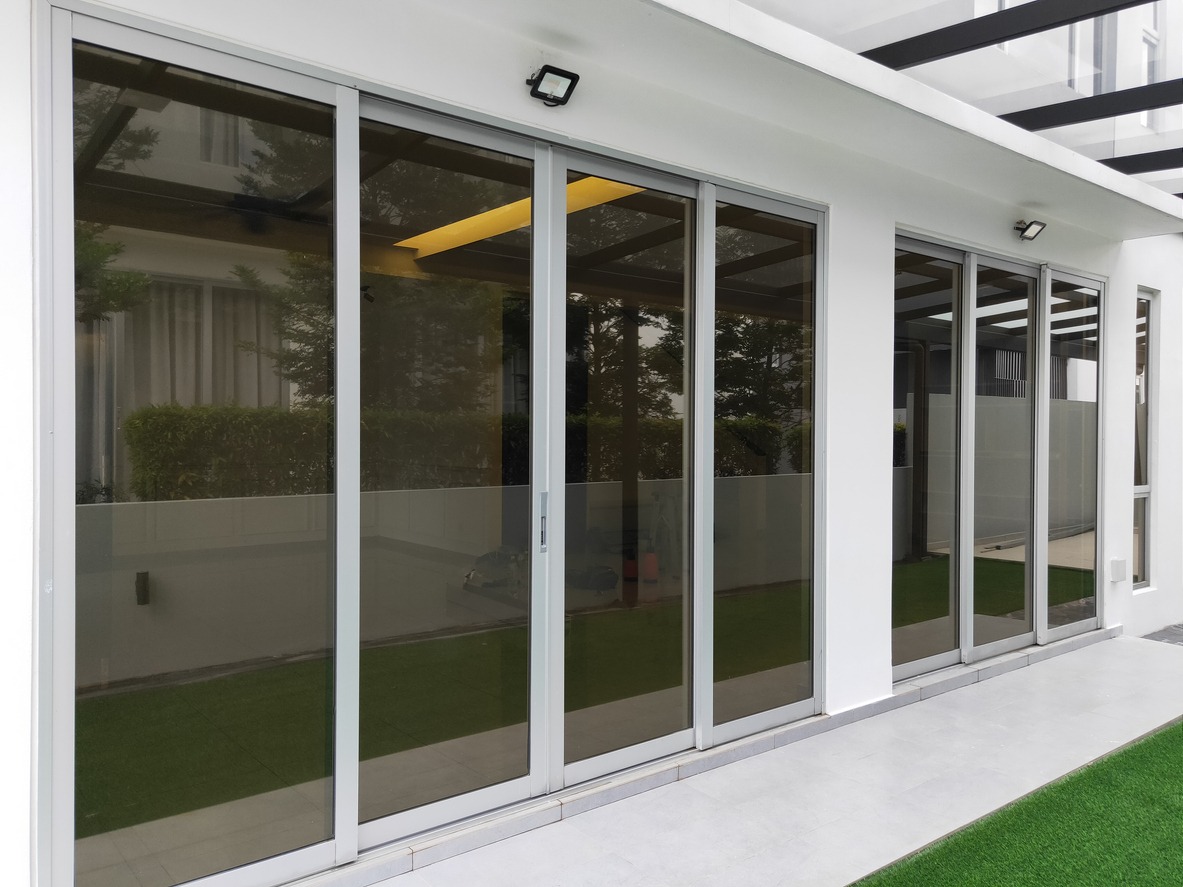
Tinted glass has a colored coating that reduces glare and heat from sunlight. It is commonly used in sunrooms, large windows, and areas exposed to intense sunlight. The tint also provides a degree of privacy by limiting visibility from the outside.
While tinted glass helps control temperature and protect interiors from UV rays, it may slightly reduce the amount of natural light entering a space. It is available in a range of colors to match different design preferences.
Textured Glass
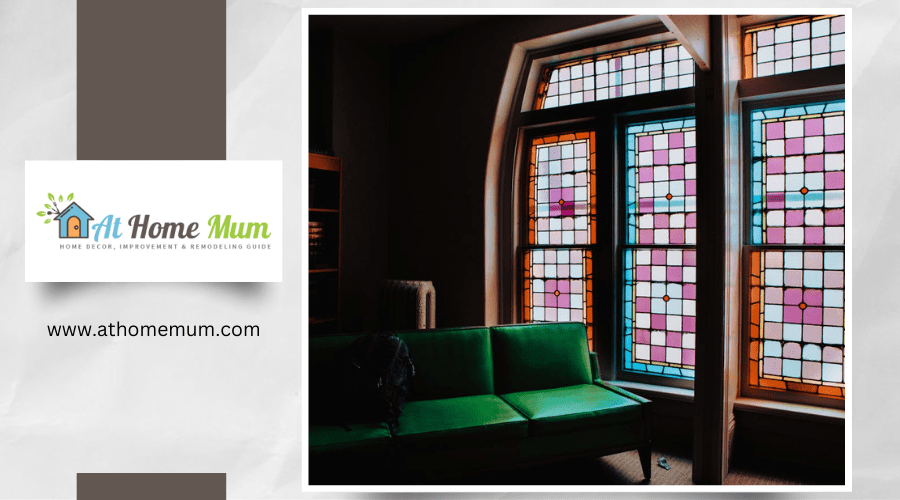
Textured glass features patterns or designs that add a decorative touch while offering privacy. It is commonly used in interior doors, partitions, and decorative panels. The textures range from simple geometric patterns to intricate designs.
This type of glass is versatile and works well in both traditional and modern interiors. Its ability to combine style and function makes it a favorite for adding character to spaces.
Insulated Glass
Insulated glass, often referred to as double or triple glazing, consists of two or more glass panes separated by a layer of air or gas. This design improves energy efficiency by reducing heat transfer. It is typically used in windows and doors in energy-efficient homes.
In addition to thermal insulation, insulated glass helps reduce noise, which makes it ideal for homes near busy streets or noisy areas. It is a practical choice for maintaining a comfortable indoor environment throughout the year.
Factors to Consider When Choosing Glass
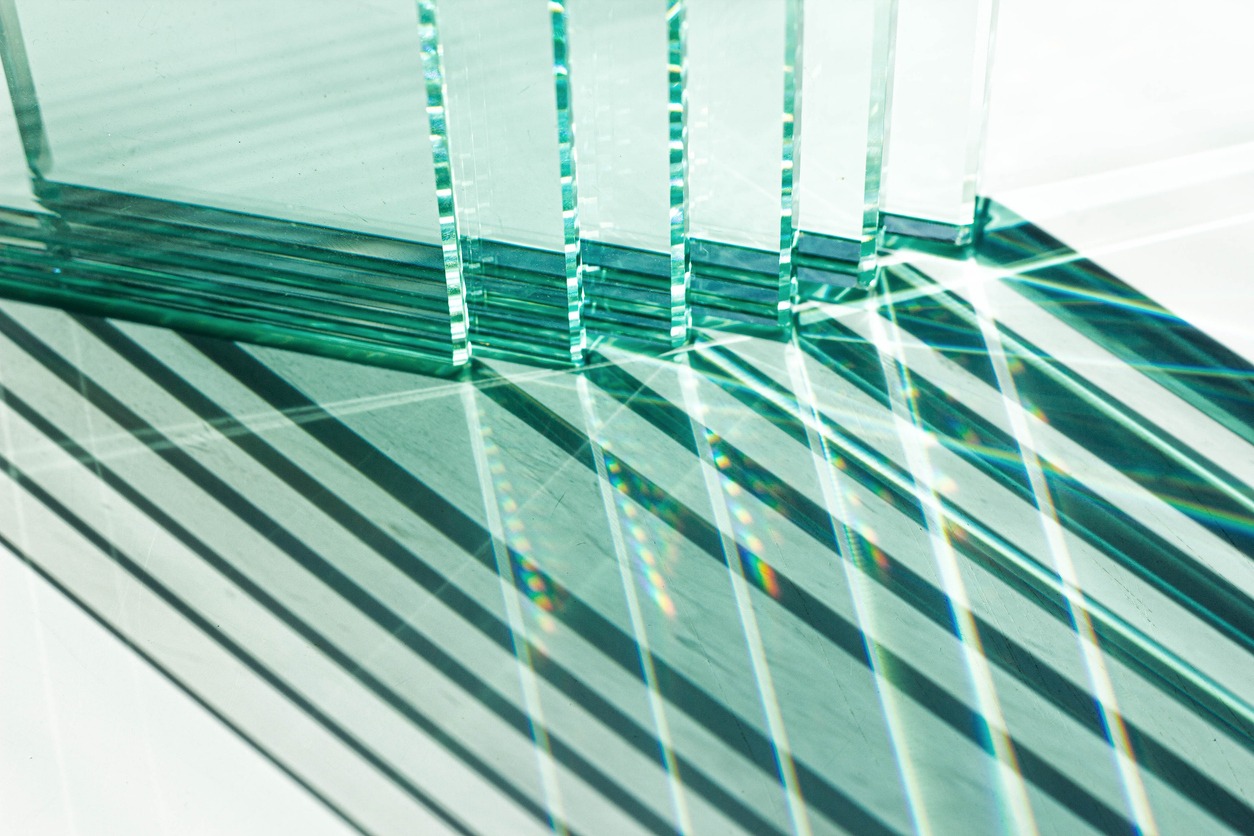
Selecting the right type of glass for your home requires careful thought. Different glass options offer varying benefits, so it’s important to match them with your specific needs and preferences. Here are the factors to keep in mind when making your decision.
- Safety: Safety is one of the most important considerations, especially for areas like doors, bathrooms, and windows near the ground. Tempered or laminated glass is a safer choice because it minimizes the risk of injury if it breaks.
- Energy Efficiency: Energy-efficient glass, such as Low-E or insulated glass, can help regulate indoor temperatures and lower energy costs. This is especially valuable in climates with extreme heat or cold.
- Privacy: In areas like bathrooms and bedrooms, privacy is essential. Frosted or textured glass is a good option for maintaining privacy while still letting in light.
- Durability: The durability of the glass affects how well it will hold up against weather, accidents, and daily wear. Laminated and tempered glass are more resistant to damage than standard annealed glass.
- Aesthetics: The appearance of the glass can influence the overall design of a space. Decorative options like frosted, tinted, or textured glass offer both functionality and style.
- UV Protection: Certain types of glass, like Low-E and tinted glass, block harmful UV rays that can fade furniture and flooring. This is a helpful feature for sunny areas.
- Cost: Budget plays a role in determining the type of glass you choose. While some options, like laminated or insulated glass, may cost more upfront, they often provide long-term savings through energy efficiency or durability.
- Sound Insulation: If noise is a concern, consider glass with soundproofing qualities, such as laminated or insulated glass. This can be especially useful in homes near busy streets or airports.
Benefits of Using the Right Type of Glass
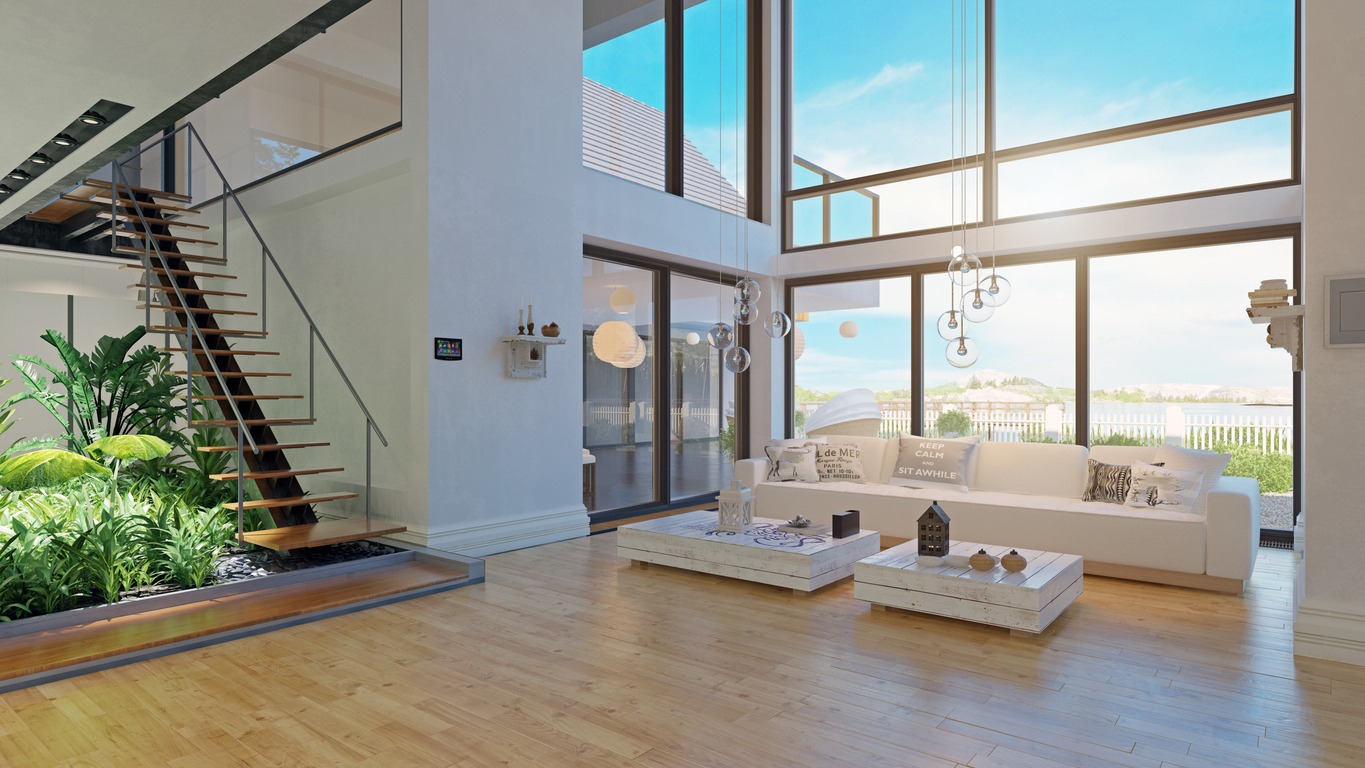
Choosing the appropriate type of glass for your home offers practical and long-term advantages. Check out some of those key benefits below.
- Improved Safety: Glass designed with safety in mind, like tempered or laminated glass, reduces the risk of injury in case of breakage. This is especially important in areas with heavy foot traffic or for families with children.
- Energy Efficiency: Energy-efficient glass, such as Low-E or insulated glass, helps maintain indoor temperatures by reducing heat transfer. This can lead to lower energy bills and a more comfortable home environment.
- Enhanced Privacy: Frosted or textured glass provides privacy without blocking natural light, making it ideal for bathrooms, bedrooms, and other private spaces.
- Better Noise Control: Certain types of glass, like laminated or insulated glass, offer soundproofing properties. This is a valuable feature for homes near busy streets or other noisy environments.
- UV Protection: Glass with UV-blocking capabilities, such as Low-E or tinted glass, protects furniture, flooring, and other interior elements from fading caused by sunlight.
- Durability and Longevity: Strong, durable glass types like laminated and tempered options are less prone to damage. This reduces the need for repairs or replacements over time.
- Aesthetic Appeal: Decorative glass options, including frosted, textured, and tinted glass, add style to a home while serving practical purposes. They allow homeowners to customize the look of their spaces.
- Increased Property Value: Using high-quality glass in windows, doors, and other features can make a home more appealing to potential buyers. This can increase its market value and attract interest.
Conclusion
Understanding the different types of glass used in homes helps homeowners make informed decisions that balance safety, functionality, and aesthetics. Choosing the right glass enhances the comfort and practicality of living space while also reflecting personal style.
Related posts