Differences Between Commercial and Residential Windows

Windows have a role in shaping the functionality and appearance of different types of buildings. In commercial spaces, windows are often designed to handle heavy use, large openings, and a focus on energy efficiency. Residential windows, on the other hand, prioritize comfort, style, and ease of use for homeowners.
Learning how these two types differ helps in making informed decisions for any construction or renovation project. Read one we discuss the distinctions that separate commercial windows from residential ones and how these differences are important.
Design and Aesthetic Differences

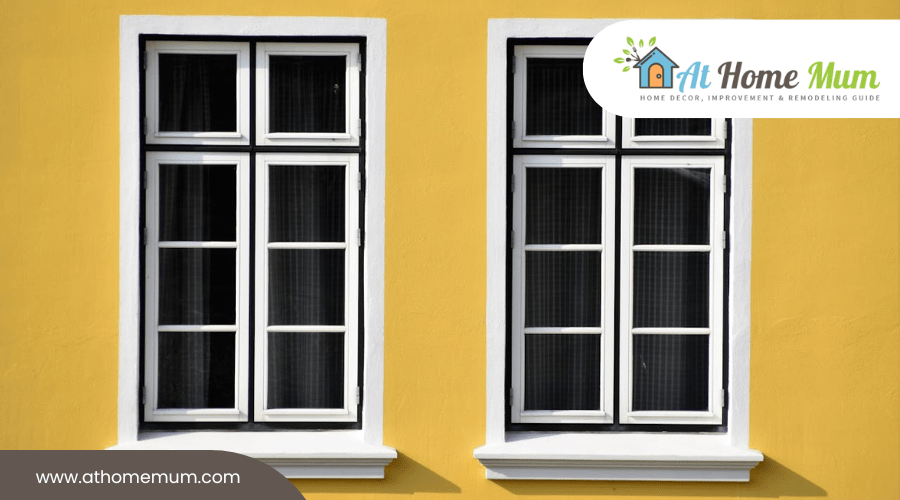
The design and appearance of windows vary depending on their intended use. Commercial windows are often large, sleek, and modern, with designs that prioritize maximizing natural light and creating open, inviting spaces. They frequently include floor-to-ceiling glass panels or curtain walls, giving buildings a contemporary look.
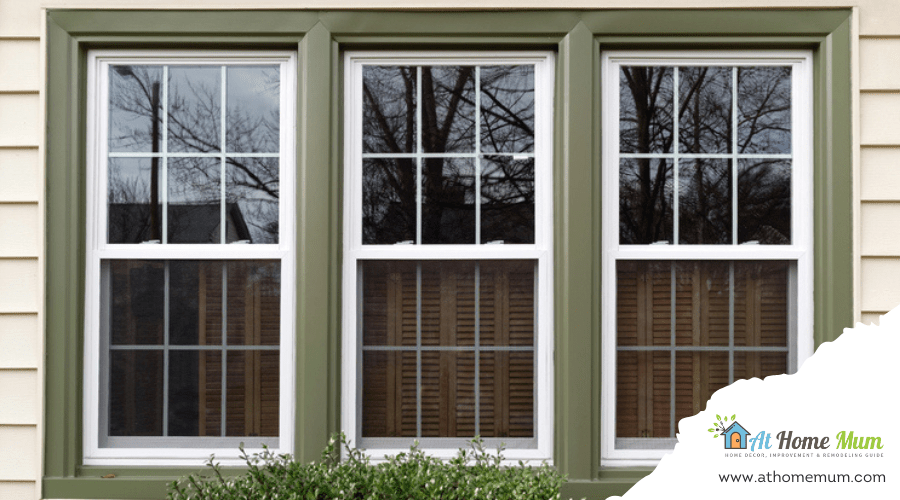
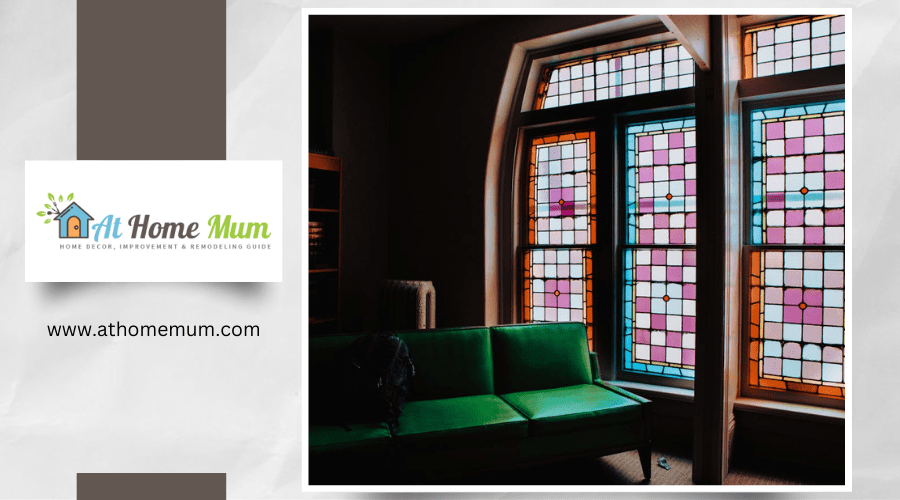
In contrast, residential windows are typically smaller and more diverse in style. They are designed to complement the home’s architecture, whether it’s a traditional, rustic, or modern design. Homeowners often choose windows with divided panes, decorative trims, or unique shapes to match the character of their property.
While aesthetics are important for both types, commercial designs focus more on function and uniformity, while residential windows often emphasize personality and charm.
Materials Used
The materials used in windows depend on the demands of the space they are designed for. Commercial windows often use durable materials like aluminum and steel. These metals provide strength and stability for larger window sizes and are capable of withstanding heavy use and harsh weather. Tempered or laminated glass is also common, offering extra safety and resistance to damage.
Residential windows, on the other hand, tend to use materials that balance functionality and style. Vinyl is popular for its affordability and low maintenance, while wood is chosen for its classic appearance and insulating properties. Fiberglass is another option that is valued for its durability and energy efficiency.
Commercial materials prioritize longevity and performance, while residential options focus more on blending practicality with aesthetic appeal.
Functionality
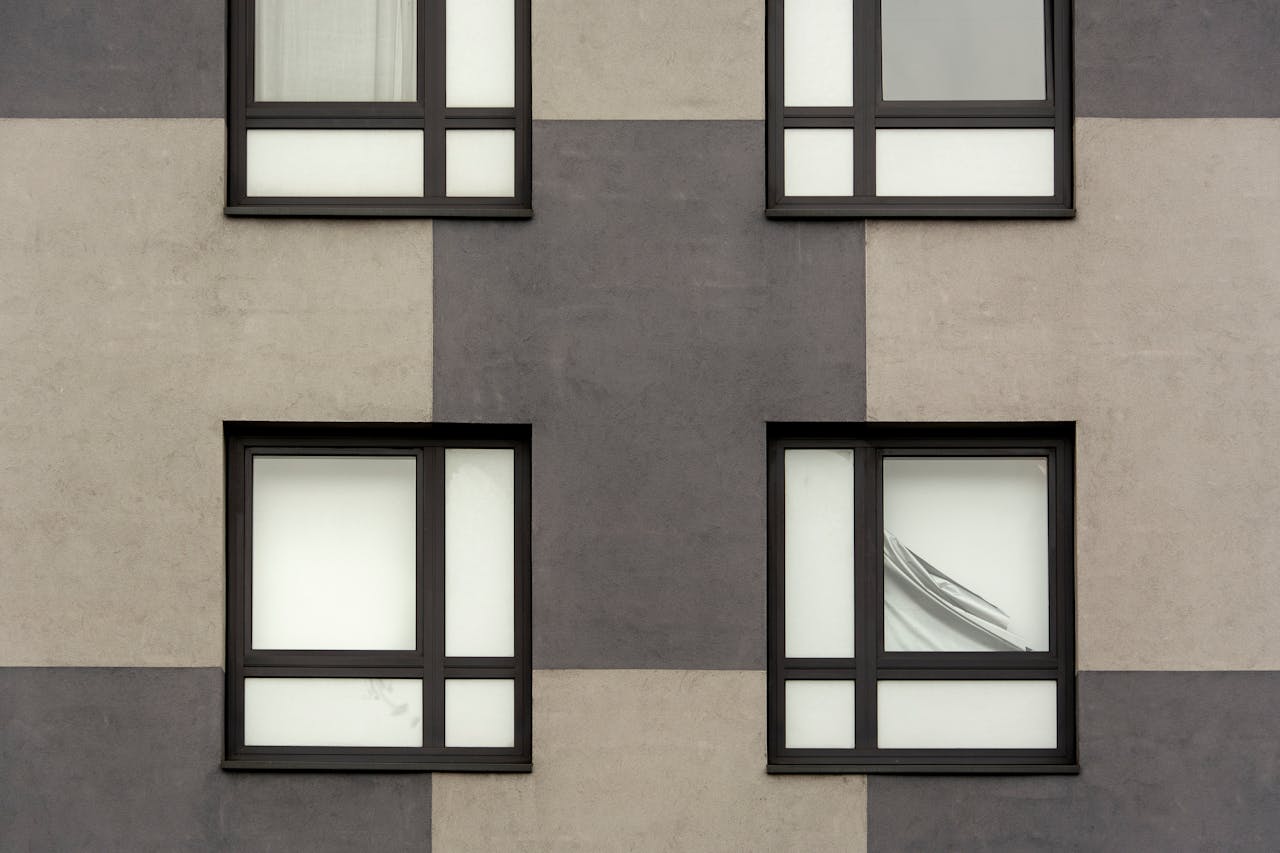
Commercial windows are built to handle the demands of larger structures. They are designed to withstand high wind loads, intense UV exposure, and extreme temperature changes. Features like energy-efficient coatings and soundproofing are often integrated to enhance comfort and reduce energy costs in busy urban environments.
Residential windows focus more on insulation and ease of use. They are designed to keep homes warm in the winter and cool in the summer and help maintain a comfortable indoor environment. Many residential windows are simple to operate, with features like double-hung sashes or tilt-in designs for easy cleaning.
Even though both types are functional, commercial windows prioritize durability and performance on a larger scale, and residential options cater to individual comfort and convenience.
Installation Process
The installation process for windows relies on the type of building and the scale of the project. Commercial window installations are typically more complex due to the size and weight of the windows. These projects often require cranes, scaffolding, and a team of skilled professionals to handle the equipment and materials. The process is carefully planned to meet structural requirements and adhere to strict safety standards.
Residential window installations are generally simpler and quicker. Contractors work with smaller windows that are easier to handle and install. The process often involves removing old frames, preparing the openings, and fitting the new windows securely. Homeowners may also have the option to customize features like trims or hardware during installation.
Cost Differences
In terms of costs, commercial windows are typically more expensive due to their larger size, specialized materials, and additional features like energy-efficient coatings and advanced structural support. Installation costs are also higher, as these projects often require heavy equipment and skilled labor.
Residential windows are generally more affordable. The smaller size and simpler materials reduce manufacturing costs, and the installation process is less labor-intensive. However, the total cost can vary based on the choice of materials, customizations, and the number of windows being replaced or installed.
Regulatory and Building Code Requirements

Regulatory and building code requirements for windows are determined by the type of structure they are used in. Commercial windows must meet stricter standards due to the size of the buildings and the safety needs of high-traffic areas. These regulations often cover fire safety, structural integrity, and energy efficiency. For example, commercial windows may need to withstand higher wind loads or include tempered glass for added strength and safety.
Residential windows are subject to codes that focus on the safety and comfort of homeowners. Egress requirements for bedrooms are common to ensure that windows are large enough to serve as an emergency exit. Energy codes also mandate specific insulation or glazing standards to improve energy efficiency.
Maintenance and Lifespan
Maintenance and lifespan can be different between commercial and residential windows due to their design and materials. Commercial windows are built to last longer and withstand heavy use. Their materials, such as aluminum and tempered glass, are durable but often require professional maintenance. Cleaning these large windows usually involves specialized equipment, especially for high-rise buildings.
Residential windows are easier for homeowners to maintain. They are typically smaller and made from materials like vinyl or wood, which may require more frequent upkeep. Wooden frames might need painting or sealing to prevent damage, while vinyl windows usually just need occasional cleaning.
The lifespan of residential windows depends on the material and climate but generally ranges from 15 to 30 years. Commercial windows, on the other hand, often outlast residential ones due to their robust construction.
Conclusion
Understanding the differences between commercial and residential windows is essential for choosing the right option for a project. Each type is designed with specific goals in mind, from durability and functionality to style and cost.
Commercial windows focus on meeting the demands of large-scale structures, while residential windows prioritize comfort, aesthetics, and ease of use. By considering factors like materials, performance, installation, and maintenance, it becomes clear how each type serves its unique purpose in creating functional and visually appealing spaces.