Creative Ways to Use Wall Art
Wall art is one of the most versatile elements in interior design. The right piece of art can tell a story, set a mood, or create a focal point that ties a room together.
Many people think of wall art as just paintings or framed photos, but its potential stretches far wider. With a bit of creativity, wall art becomes an opportunity to personalize your space in ways that feel fresh and unexpected. To know more, here is a guide to using wall art to elevate different areas of your home.
Why Wall Art Matters
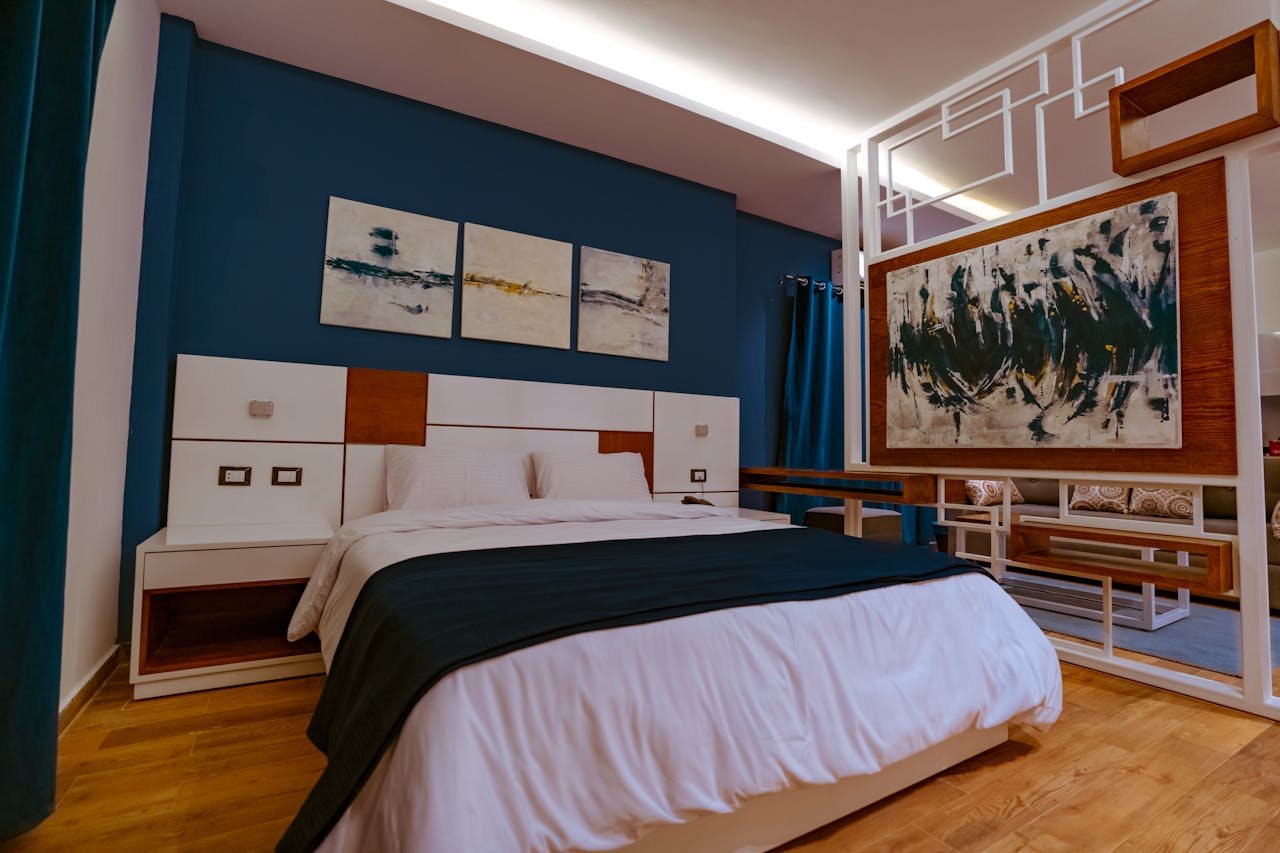
Wall art can play a role in how a space feels and functions. Here are some of the reasons why wall art matters:
- Sets the Mood: Wall art influences the atmosphere of a space. Bright, bold pieces energize a room, while soft, muted tones create a sense of calm.
- Brings a Room Together: Art helps unify the colors, patterns, and styles in a space. So, they tie everything into a cohesive design.
- Expresses Personality: Choosing pieces that reflect personal tastes or interests allows a space to feel uniquely yours.
- Adds a Focal Point: A well-placed piece of art draws the eye and creates a natural centerpiece for a room.
- Inspires Creativity: Surrounding yourself with art can spark ideas and foster creativity in your daily life.
- Enhances Visual Appeal: Art adds layers of texture, color, and shape that elevate a room’s aesthetic.
Creative Ideas for Using Wall Art
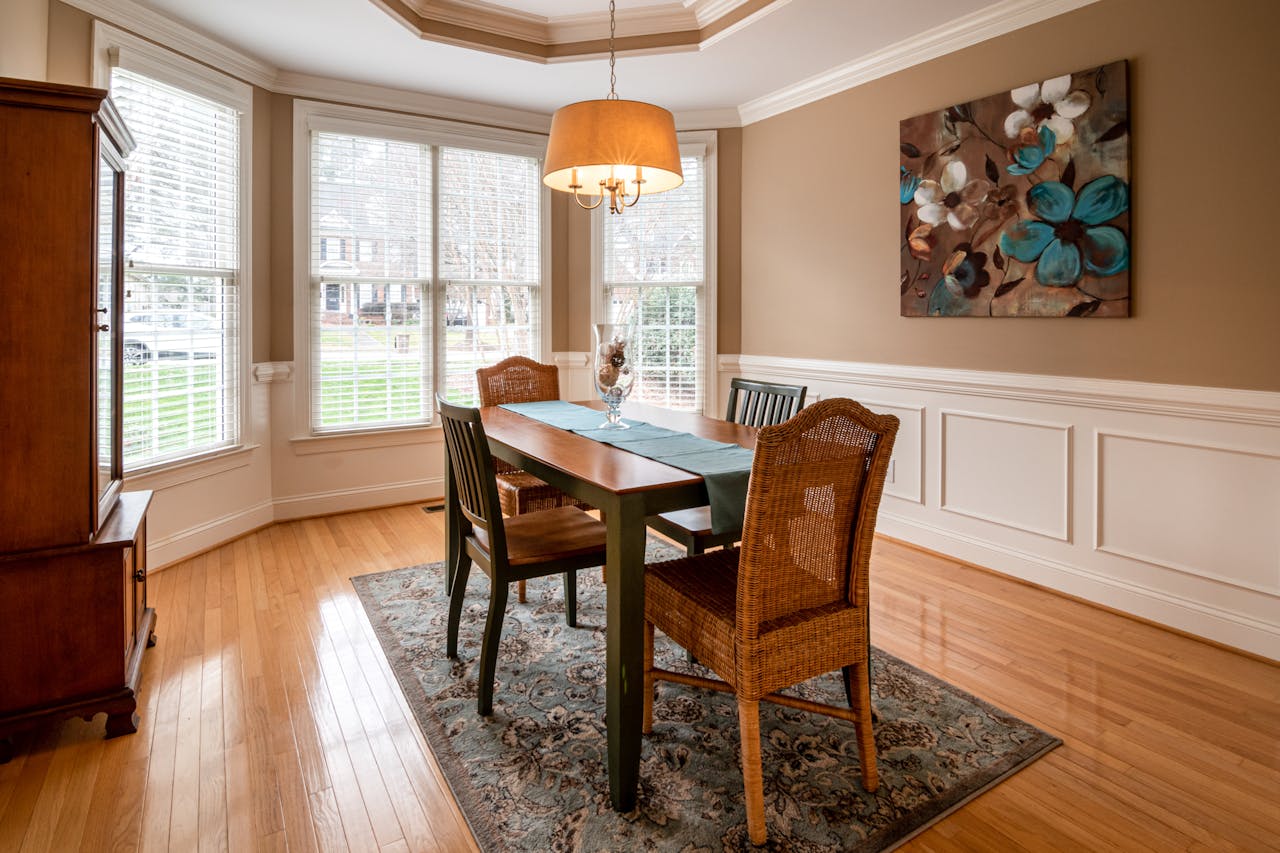
Wall art offers endless possibilities for enhancing your space. Beyond traditional uses, there are creative ways to use it that add interest and originality. These ideas can help you think outside the box and bring new energy to your walls.
Layer Different Textures and Styles
Mixing textures and styles creates depth and dimension on your walls. Combine framed prints with woven pieces, mirrors, or even macramé. This layered approach adds variety and makes the space feel more dynamic. It’s also a great way to integrate different materials, like wood, metal, or fabric, into your décor.
This idea works well in spaces where a single piece of art might feel too formal. For example, try hanging a large canvas alongside smaller items, like a decorative shelf or sculptural wall hangings.
Create a Rotating Art Display
A rotating art display allows you to refresh your walls without much effort. Use picture ledges or hanging rails to easily swap out pieces whenever you like. This is ideal for showcasing seasonal art or keeping things exciting if you enjoy frequent updates to your décor.
You can make this display even more engaging by including personal items, such as framed photos or souvenirs. Rotating displays are a great way to highlight different aspects of your style over time and give your space a sense of evolution.
Use Oversized Art as a Statement Piece
Oversized art commands attention and elevates a room. A single large piece can serve as a bold centerpiece for a living room, dining area, or bedroom. Look for something that fits the scale of your wall without overwhelming the space.
Keep the rest of the room balanced by using simpler furniture and décor. The art will naturally draw the eye, so you don’t need many other decorative elements. This idea is perfect for open spaces or rooms with high ceilings.
Experiment with Unconventional Materials
Unconventional materials like reclaimed wood, metal, or even plants can bring a unique touch to your walls. Think about using a vintage window frame as a piece of art or creating a living wall with hanging planters. These materials add character and often tell a story.
This approach works especially well in spaces with a rustic or industrial style. It’s also an opportunity to incorporate DIY projects and give your wall art a personal touch and make it one-of-a-kind.
Extend Art Beyond the Frame
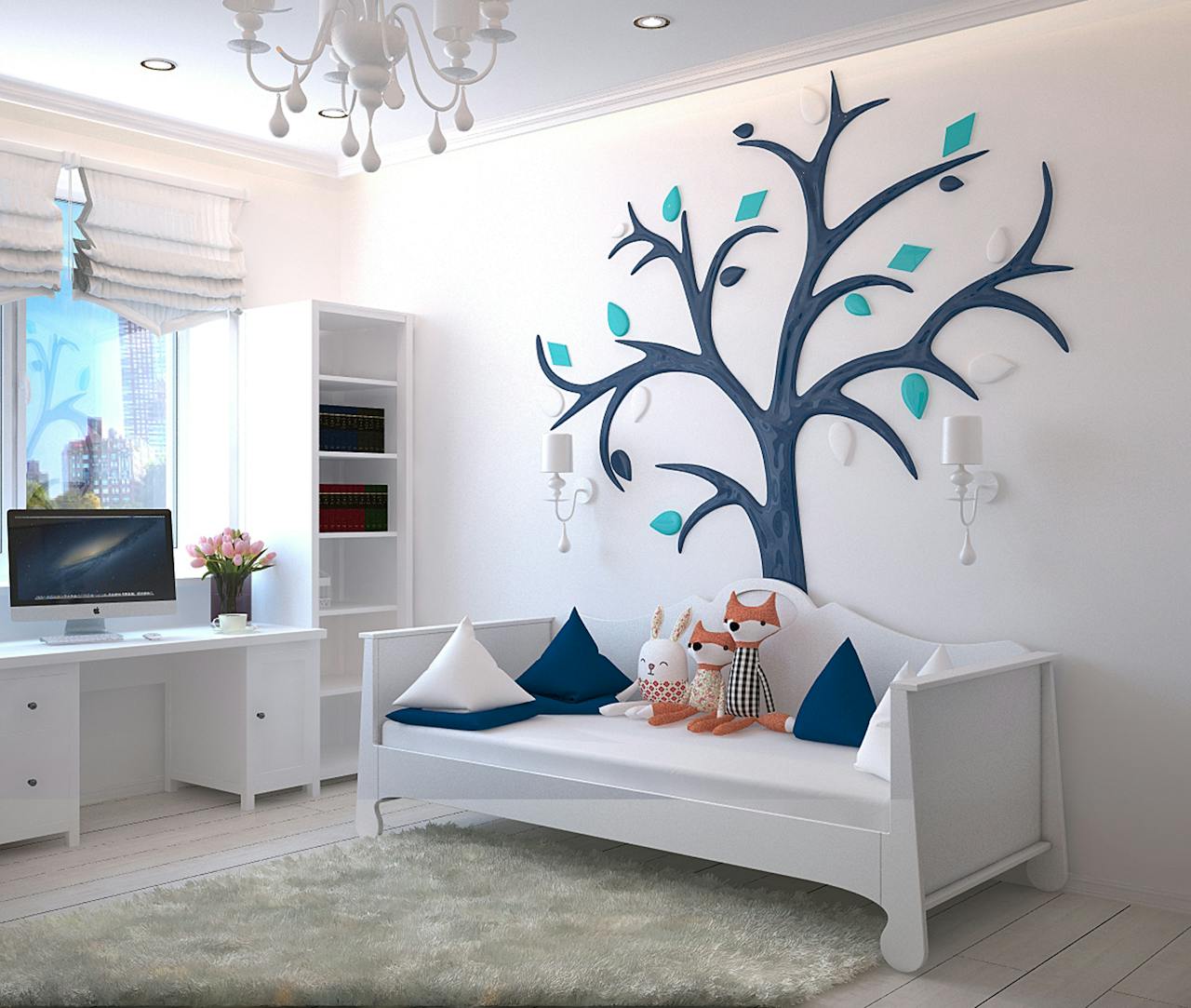
Murals, decals, or painted designs allow you to turn your entire wall into a work of art. This works especially well for accent walls or spaces where you want to make a bold statement. Choose a design that complements the overall theme of the room, whether it’s geometric shapes, floral patterns, or abstract strokes.
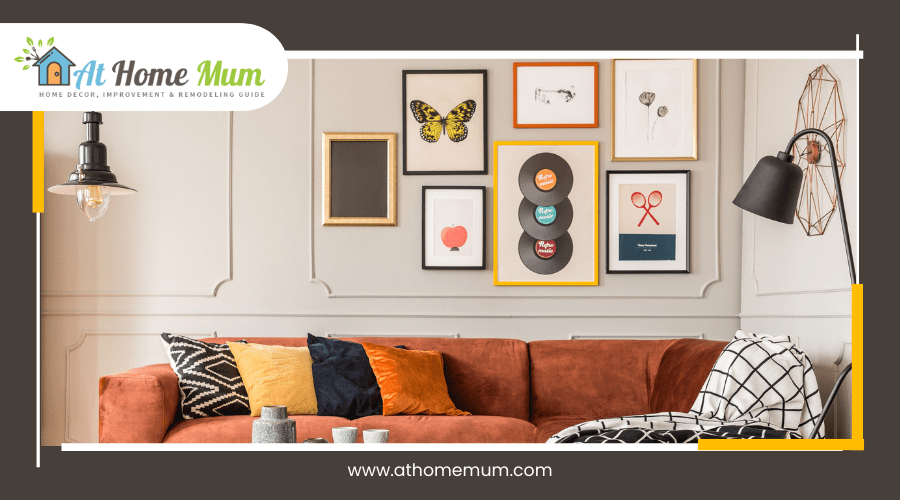
Pair wall art with traditional framed pieces to create contrast and balance. For example, a mural can serve as a backdrop for a gallery wall and make the arrangement more dynamic and visually interesting.
How to Choose the Right Wall Art
Choosing the right wall art is an important step in creating a space that feels complete and personal. With so many options available, it’s helpful to focus on a few key considerations. Below are the tips that will guide you toward selecting pieces that work well with your style and space.
Consider the Purpose of the Room
Every room serves a purpose, and wall art should reflect that. In a bedroom, calming and serene pieces often work best to create a peaceful atmosphere. For a living room or dining area, bold and vibrant art can make the space feel more lively and inviting.
Think about how you want people to feel when they enter the room. For example, abstract art with soft colors might be ideal for a home office, encouraging focus without being distracting.
Think About Size and Scale
The size of the art is just as important as the style. A large piece works well as a centerpiece, especially on a blank wall, while smaller pieces are better suited for gallery arrangements or narrow spaces. The art should feel proportionate to the wall and the furniture around it.
Measure your wall and think about the layout before choosing a piece. For instance, oversized art can overwhelm a small room, while tiny prints on a large wall might look out of place.
Choose Colors That Complement Your Space
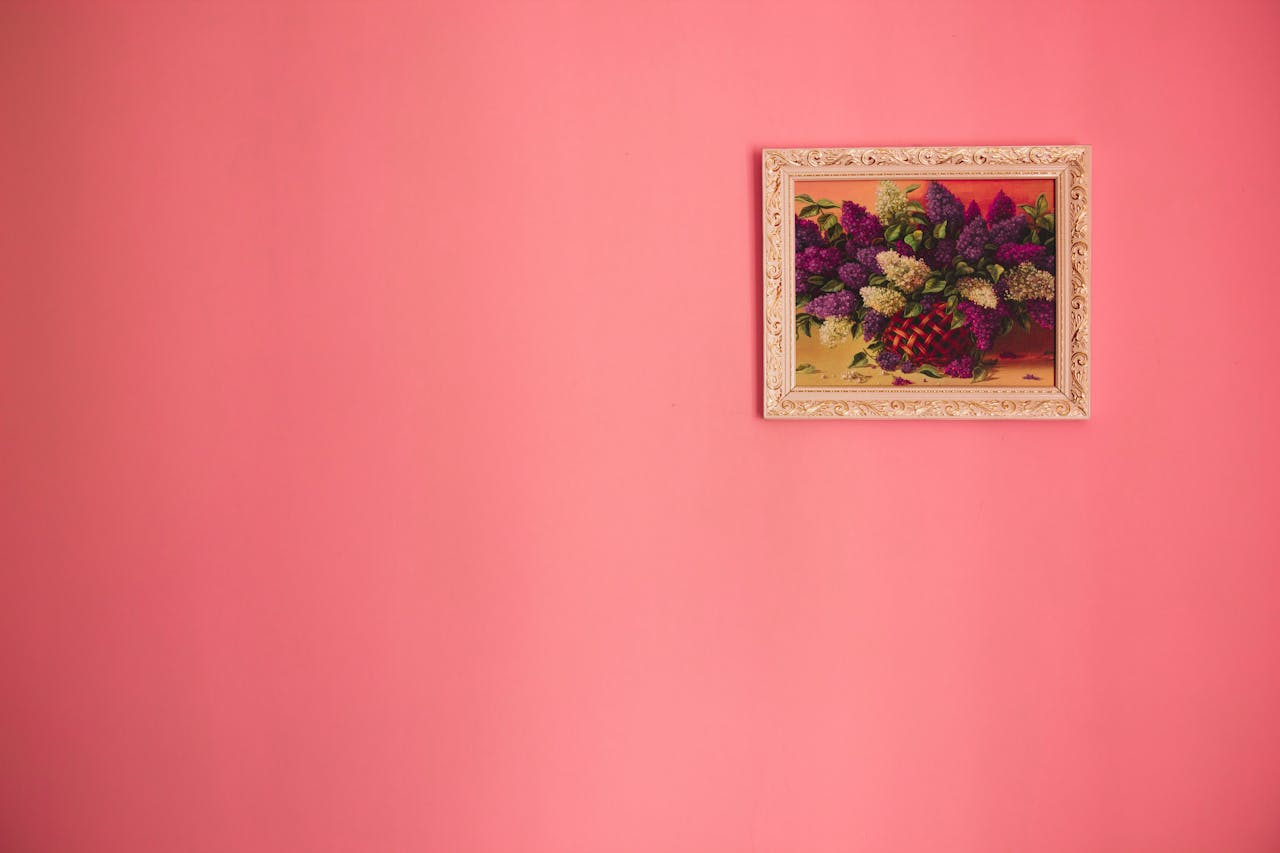
Wall art is an opportunity to tie together the colors in a room. Look for pieces that feature shades already present in your furniture, rugs, or accessories. This creates harmony without feeling too matchy or repetitive.
If your space has a neutral color palette, consider art with bold or contrasting colors to add visual interest. For colorful rooms, art with similar tones or more muted designs helps maintain balance.
Prioritize Personal Connection
Wall art should reflect your personality or tell a story. Whether it’s a painting from a favorite artist, a print of a meaningful place, or something you’ve created yourself, the art you choose should feel special to you.
This personal connection makes a room feel more authentic and lived-in. Instead of focusing only on trends, think about pieces that resonate with your experiences, interests, or memories.
Experiment with Different Styles
Mixing styles can keep your walls interesting. Don’t be afraid to combine classic and contemporary art or pair abstract pieces with landscapes. Variety in style adds depth and makes the space feel more dynamic.
To keep the look cohesive, find a common thread, such as color, texture, or theme. For example, a minimalist black-and-white print can complement a bold and colorful abstract piece if it shares similar shapes or lines.
Conclusion
The possibilities for wall art are endless, and each choice reflects your style and story. With a little imagination and a focus on what feels right for your space, you can create walls that inspire and feel truly your own.