Creative Uses for Glass on Your Home’s Exterior
Glass has become a defining element in modern home design. Its ability to blend transparency and strength makes it a unique material for exterior features.
In recent years, homeowners and designers have found new opportunities to incorporate glass into facades, doors, and outdoor spaces to create homes that feel open and connected to their surroundings. To learn more, here are the creative uses for glass on your home’s exterior.
The Advantages of Using Glass on Your Home’s Exterior
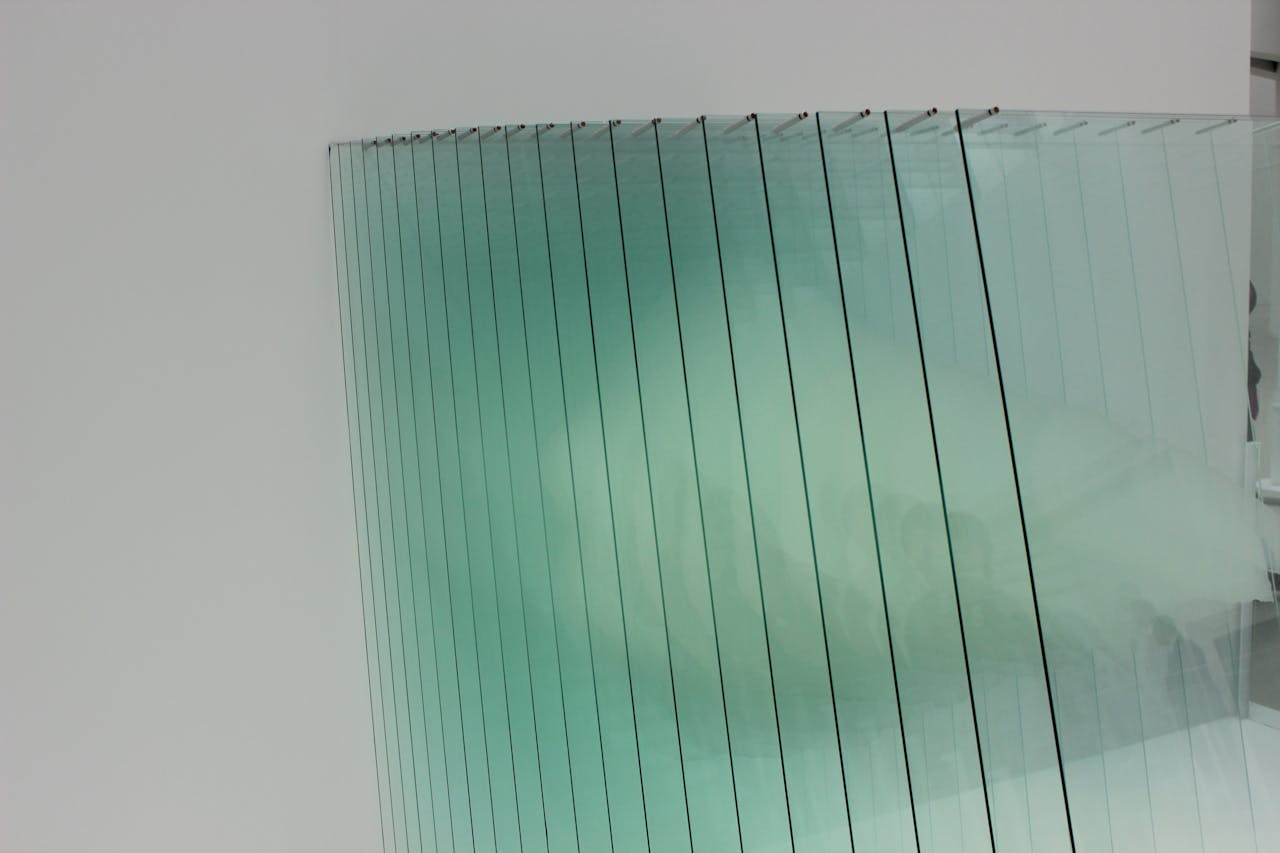
Using glass on the exterior of your home offers a range of benefits that combine practicality with aesthetic appeal. It’s a versatile material that enhances modern designs and complements traditional architecture. Here are some advantages to consider:
- Maximizes Natural Light: Glass allows sunlight to pour into your home, creating brighter spaces and reducing the need for artificial lighting during the day.
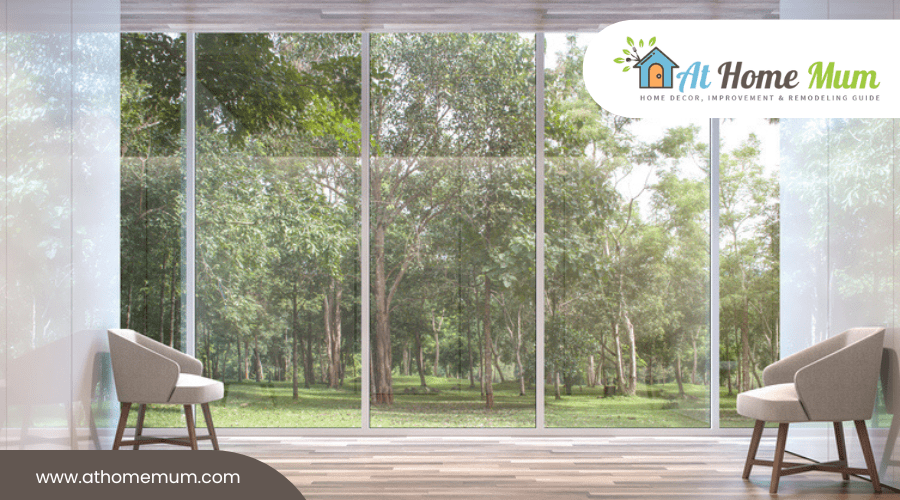
- Expands Outdoor Views: Large glass windows and doors provide uninterrupted views of your surroundings, helping to connect your indoor spaces with nature.
- Boosts Energy Efficiency: Modern glass options, like double glazing and Low-E coatings, help regulate indoor temperatures and reduce energy costs.
- Creates a Modern Look: Glass gives homes a sleek and contemporary appearance, making it a popular choice for new builds and renovations.
- Improves Resale Value: Homes with stylish glass features often stand out in the real estate market, appealing to buyers who value modern design.
- Offers Versatility: With options like frosted, tinted, and textured glass, you can customize the look while maintaining privacy and light control.
- Low Maintenance Options: Many modern glass types come with coatings that resist stains and dirt, making them easier to maintain than traditional materials.
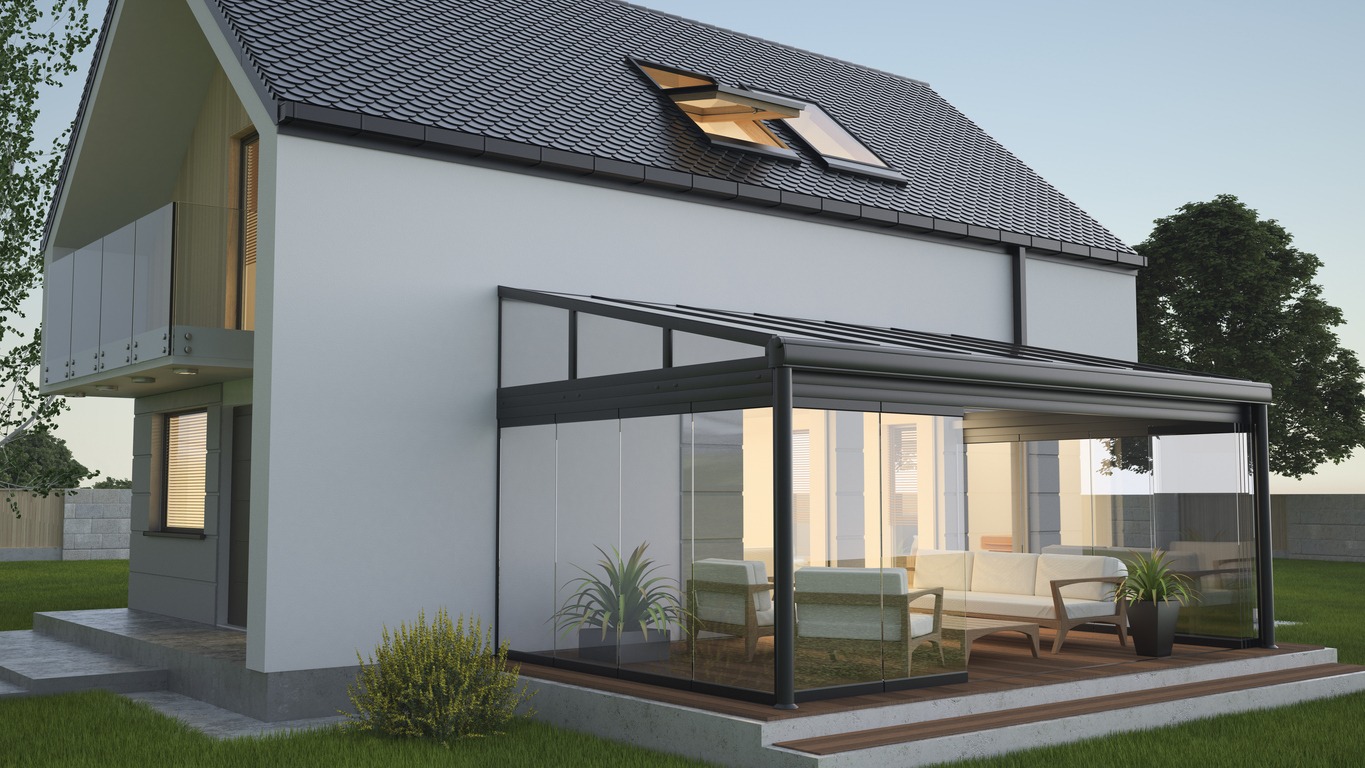
Specialty Glass Options for Enhanced Functionality
Specialty glass options add functionality and versatility to your home’s exterior. These materials are designed to meet specific needs while combining durability, efficiency, and style. Here are the options you should know:
- Tempered Glass: This safety glass is much stronger than standard glass. It is designed to shatter into small, blunt pieces if broken, making it ideal for doors, windows, and railings.
- Low-E Glass: This energy-efficient option has a special coating that reflects heat while allowing natural light to enter. It helps maintain comfortable indoor temperatures year-round.
- Smart Glass: Also known as switchable glass, this technology allows you to adjust the transparency of the glass with the push of a button. It’s perfect for controlling privacy and light in outdoor-facing spaces.
- Laminated Glass: Made by bonding layers of glass with a plastic interlayer, this type offers extra strength and soundproofing. It’s a good choice for areas exposed to strong winds or noise.
- Frosted Glass: This option diffuses light and provides privacy without blocking sunlight completely. It works well for entry doors, bathroom windows, and decorative panels.
- Tinted Glass: Tinted glass reduces glare and protects interiors from UV rays. It’s available in various shades to suit your home’s style.
- Textured Glass: Designed with patterns or raised surfaces, textured glass adds character while maintaining privacy. It is often used for decorative panels or unique window designs.
Combining Glass with Other Materials
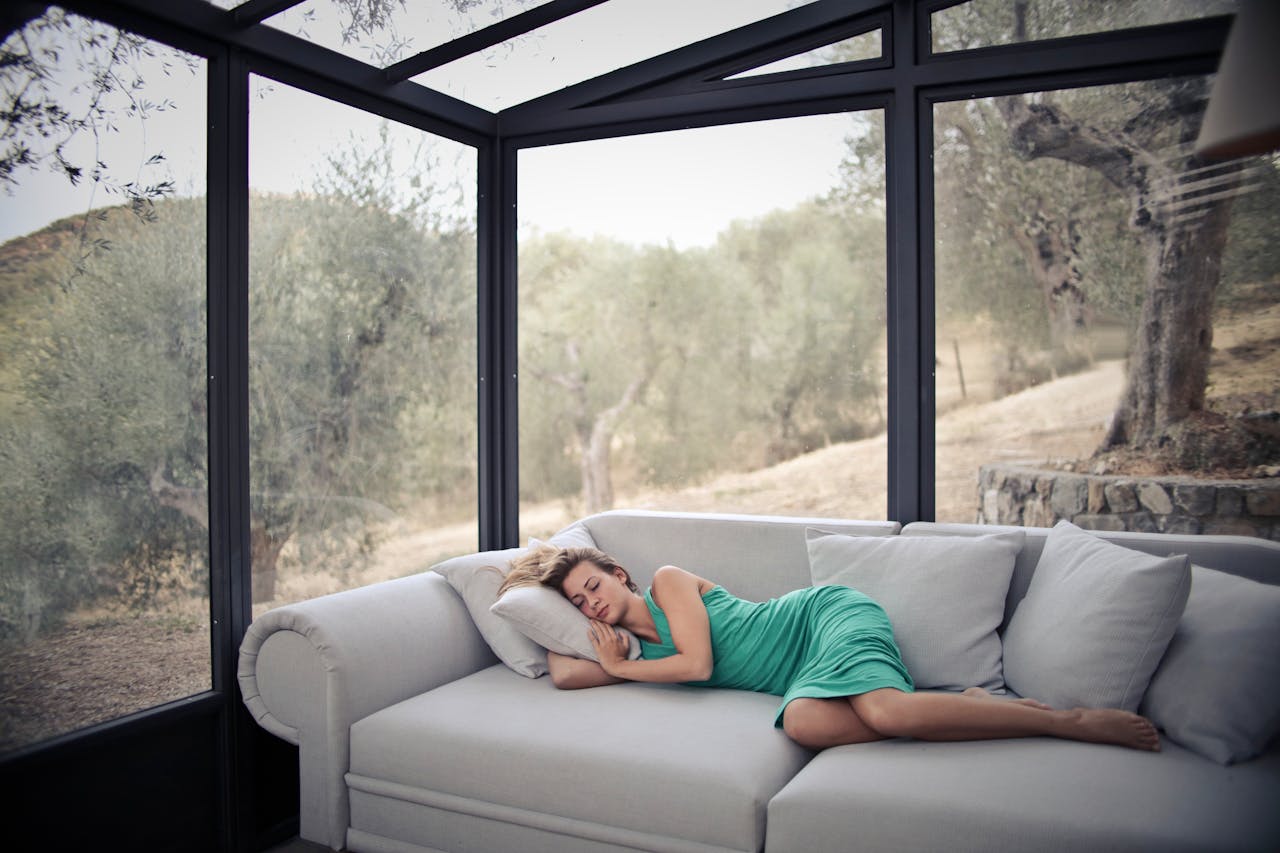
Combining glass with other materials adds texture and depth to a home’s exterior. The clarity of glass contrasts beautifully with various surfaces. Here’s how different materials work with glass to enhance architectural styles.
Glass and Wood
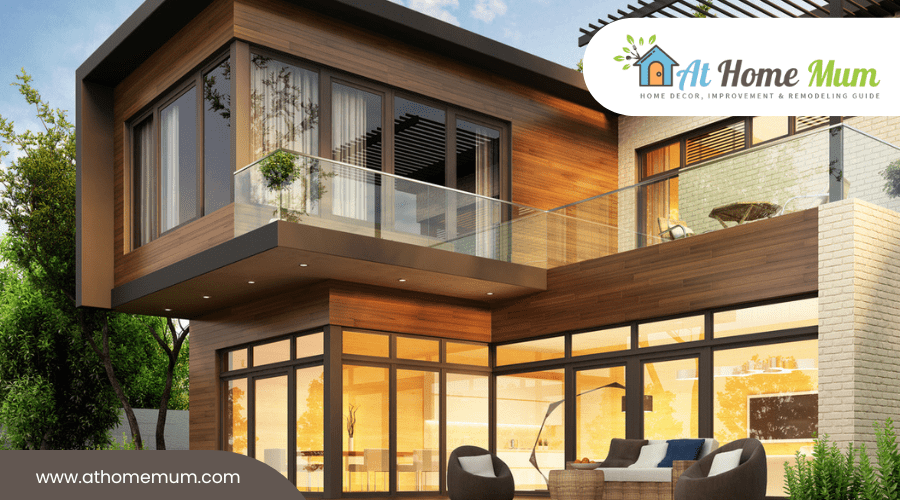
The warmth of wood softens the modern look of glass, creating a natural and inviting design. This combination is often used in entryways, patios, and facades, where the wooden elements add a sense of coziness. Wood frames around large glass panels provide a striking contrast while blending traditional and contemporary aesthetics.
Wood is also a practical choice for complementing glass because of its versatility. It can be stained or painted to match various styles, from rustic cabins to sleek modern homes. Additionally, the natural tones of wood create a sense of harmony with outdoor surroundings, especially in homes that aim to connect with nature.
Glass and Metal
Pairing glass with metal gives a sleek and industrial look that fits modern designs. Metals like steel or aluminum are often used in window frames, railings, and structural elements. Their durability and strength allow for large glass installations without compromising stability.
The reflective quality of metal enhances the clean, minimalist look of glass. This pairing works well in urban settings or homes with a focus on geometric designs. Brushed or matte finishes can be used to soften the metallic appearance.
Glass and Stone
Stone offers a strong and timeless complement to glass. The textured surfaces of stone contrast with the smooth clarity of glass while creating a balanced and elegant exterior. This combination is often seen in facades and garden walls, where the natural appearance of stone adds character.
Stone also brings durability to designs that incorporate glass. Materials like granite, limestone, or slate provide a sturdy base for glass features. Together, stone and glass balance modernity with the rugged beauty of natural materials.
Glass and Brick
Brick pairs well with glass by blending rustic charm with modern transparency. Homes with brick exteriors often use large glass windows or doors to introduce a contemporary element to the design. This combination works particularly well in transitional styles that mix traditional and modern influences.
Brick also acts as a thermal barrier, which complements the energy-efficient properties of modern glass. The natural, earthy tones of brick contrast beautifully with the sleek appearance of glass.
Glass and Concrete
Concrete and glass create a bold, minimalist design that is popular in modern architecture. The raw and industrial look of concrete contrasts with the lightness of glass, resulting in a striking combination. This pairing is commonly used for facades, outdoor spaces, and structural elements.
The durability of concrete allows it to support large glass installations without overwhelming the design. The neutral tones of concrete also let the transparency of glass stand out. Together, these materials create a balance of strength and elegance.
Challenges and Considerations
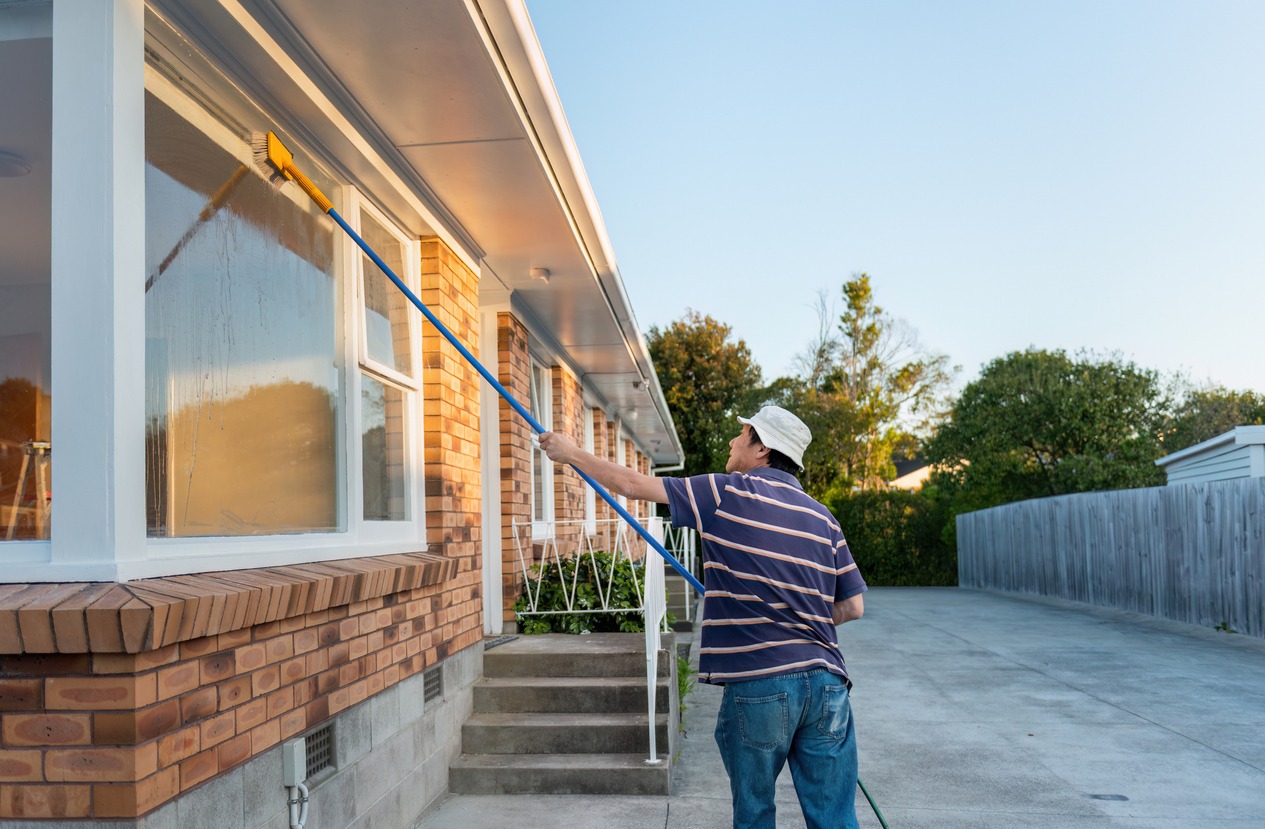
Incorporating glass into your home’s exterior offers many advantages, but it also comes with challenges that should be addressed during planning and installation. These are the considerations to keep in mind:
- Safety: While modern glass options are durable, breakage is still a concern. Using tempered or laminated glass reduces risks and increases safety in areas like doors, windows, and railings.
- Maintenance: Glass requires regular cleaning to stay clear and free of streaks. This can be more demanding for large installations or outdoor spaces exposed to dirt and weather.
- Privacy: The transparency of glass may raise concerns about privacy. Frosted, tinted, or textured glass can help address this while still allowing natural light.
- Cost: High-quality glass and custom designs can be expensive. Budgeting for materials and installation is important, especially for large-scale features.
- Energy Efficiency: Poorly chosen glass can result in heat loss or unwanted solar heat gain. Opting for energy-efficient options like Low-E glass helps reduce these issues.
- Glare and Reflections: Large glass surfaces may cause glare or reflections that affect visibility or comfort. Strategic placement and coatings can minimize these effects.
Conclusion
By carefully selecting the right type of glass and combining it with thoughtful design elements, it’s possible to create spaces that feel both functional and visually appealing. As more innovative uses for glass emerge, its role in architecture continues to expand and offer endless possibilities for enhancing the look and feel of a home.