Cleaning Tips for Older Mirrors

Older mirrors hold a unique charm that modern ones often lack. Their intricate frames and aged glass tell stories of a different time, but they also require special care to stay in good condition.
Cleaning an older mirror isn't the same as wiping down a newer one, as harsh cleaners and rough handling can cause damage. With the right approach, it’s possible to keep these vintage treasures looking their best without risking their delicate surfaces.
This guide offers practical tips to help you clean and maintain older mirrors while preserving their timeless appeal.
Understanding the Nature of Older Mirrors

Unlike modern mirrors, older mirrors typically feature a silver backing that is more prone to tarnishing and wear. This backing is what gives them their reflective quality, but it also makes them more fragile. Over time, exposure to moisture and improper cleaning methods can cause the backing to flake or discolor and leave the mirror looking cloudy or damaged.
The glass on older mirrors is often thinner and less uniform than modern glass, which adds to its charm but also its vulnerability. Frames made of wood or intricate materials may be sensitive to moisture or certain cleaning agents.
Tools and Materials Needed
Cleaning older mirrors requires the right tools and materials to avoid damage. Using the wrong products might scratch the glass or harm the delicate backing. Below is a list of recommended items that are gentle enough for vintage mirrors yet effective at cleaning.
- Microfiber or lint-free cloths: These are ideal for wiping the mirror without scratching the surface.
- Distilled water: It’s free of minerals that could leave streaks or spots on the glass.
- White vinegar: Diluted with water, it works as a gentle cleaning solution for grime or smudges.
- Mild dish soap: A small amount mixed with water helps with stubborn stains.
- Cotton swabs: These are perfect for reaching into tight corners or intricate frame designs.
- Soft brushes: Use these to dust ornate frames without causing wear.
Having these tools on hand will help you clean older mirrors gently and effectively. By sticking to gentle materials, you reduce the risk of harming the delicate features that make vintage mirrors special.
The Cleaning Process for Older Mirrors
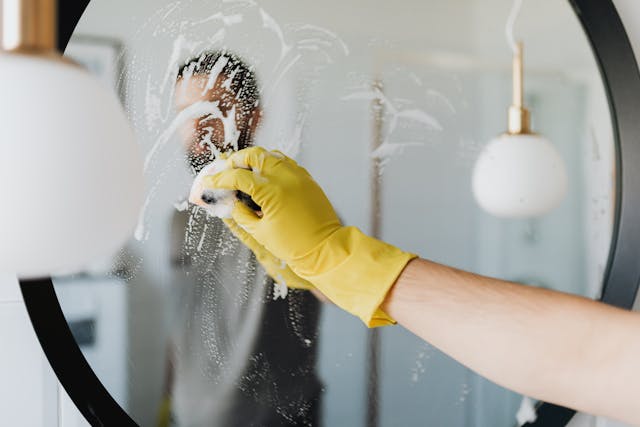
A step-by-step approach for cleaning older mirrors helps avoid mistakes that could damage the delicate glass or backing. Here Below are the steps to follow for cleaning an older mirror effectively.
Dust the Surface and Frame
Start by removing dust and loose debris from the mirror and its frame. Use a soft microfiber cloth or a feather duster to gently wipe away dust. Pay close attention to corners and edges, where grime tends to collect. Avoid pressing too hard to prevent scratching the surface.
For ornate or intricate frames, use a soft brush to clean hard-to-reach areas. This step helps keep the frame intact and avoids spreading dirt onto the mirror during the cleaning process. If the frame is wooden, avoid using anything damp during this step to prevent moisture damage.
Spot-Clean with a Gentle Solution
Mix equal parts distilled water and white vinegar in a spray bottle. Instead of spraying the solution directly onto the mirror, lightly mist a clean microfiber cloth. Wiping the glass with a damp cloth prevents moisture from seeping into the edges and damaging the backing.
Work in small sections, gently wiping in circular motions to remove smudges and fingerprints. For particularly stubborn spots, reapply the solution to the cloth and try again. Avoid scrubbing, as this could scratch the glass or lift the silvering on the back.
Rinse and Dry Immediately
After spot-cleaning, dampen another cloth with plain distilled water to remove any residue from the cleaning solution. Wipe the surface carefully, again using gentle circular motions. This step prevents streaks and keeps the glass looking clear.
Once rinsed, dry the mirror immediately with a clean, dry microfiber cloth. Moisture left on the glass can streak or seep into the frame or backing. Focus on drying the edges thoroughly to protect the mirror's delicate materials.
Clean the Frame
For the frame, use a soft cloth or cotton swabs dipped in a mild dish soap solution. Test a small, hidden area first to make sure the cleaning solution won’t harm the finish. Wipe carefully to remove dirt and grime, paying extra attention to ornate details.
Avoid saturating the frame with water, especially if it’s made of wood or other porous materials. If the frame is particularly fragile or damaged, consult a professional before cleaning to avoid worsening its condition.
Maintaining Older Mirrors
Maintaining older mirrors is about preserving their condition and preventing further damage. Regular care helps extend their life while keeping them looking beautiful. Below are simple tips to maintain older mirrors and protect their unique features.
- Dust regularly: Use a soft microfiber cloth or feather duster to keep dust from building up on the glass and frame. This prevents grime from settling and makes deeper cleaning easier.
- Avoid high humidity: Keep older mirrors away from damp areas like bathrooms or basements. Humidity can damage the silver backing and cause frames, especially wooden ones, to warp or rot.
- Check for damage: Inspect mirrors periodically for peeling backing, loose frames, or scratches. Addressing minor issues early prevents them from getting worse.
- Use proper storage: If not in use, store mirrors upright in a dry, climate-controlled area. Place protective padding between mirrors or against their frames to prevent scratches.
- Be cautious with lighting: Avoid placing mirrors in direct sunlight, as prolonged exposure can fade the backing or damage the frame materials over time.
- Handle with care: When moving or hanging an older mirror, use proper support to prevent stress on the frame or glass. Heavy mirrors may require professional installation to avoid accidents.
- Avoid harsh cleaning agents: Stick to gentle cleaning solutions designed for older mirrors. Harsh chemicals or abrasives can cause permanent damage.
Taking a little time to care for your older mirrors can help preserve their charm and functionality for years to come. Regular attention keeps them looking their best without compromising their delicate materials.
When to Call a Professional
Alt Text: There are times when caring for an older mirror requires professional expertise. Attempting to fix certain issues on your own might lead to further damage. Knowing when to involve a professional helps protect the mirror and its unique qualities. Check out these situations where expert help is recommended.
- Peeling or damaged silver backing: If the reflective backing is flaking, tarnished, or showing discoloration, a professional restoration service can repair or re-silver the mirror without compromising its structure.
- Cracked or broken glass: Replacing or repairing the glass of an older mirror requires specialized tools and techniques to maintain its original character. Professionals can safely handle fragile or antique materials.
- Fragile or intricate frames: Delicate frames with carvings or unique materials might need professional restoration if they are loose, cracked, or deteriorating. A professional can restore them without damaging the mirror.
- Historical or sentimental value: For mirrors that are antiques or hold personal significance, it’s best to leave repairs or major cleaning tasks to specialists who can work with care and expertise.
- Severe stains or cloudiness: When standard cleaning methods fail to restore clarity, professionals can use advanced techniques to remove stains or improve the appearance without risking damage.
- Reframing or reassembly needs: If the frame is separating from the glass or the mirror requires reassembly, an expert can secure it properly and preserve its original look.
Professional help is worth considering when older mirrors show signs of serious wear or require careful restoration. Specialists can address these issues while keeping the mirror’s character intact.
Conclusion
Older mirrors bring character and history to any space, but they need thoughtful care to maintain their charm. By using the right tools, following gentle cleaning techniques, and taking steps to protect them from damage, you can keep them looking their best.