
Choosing the Right Shower Door for Your Bathroom Renovation
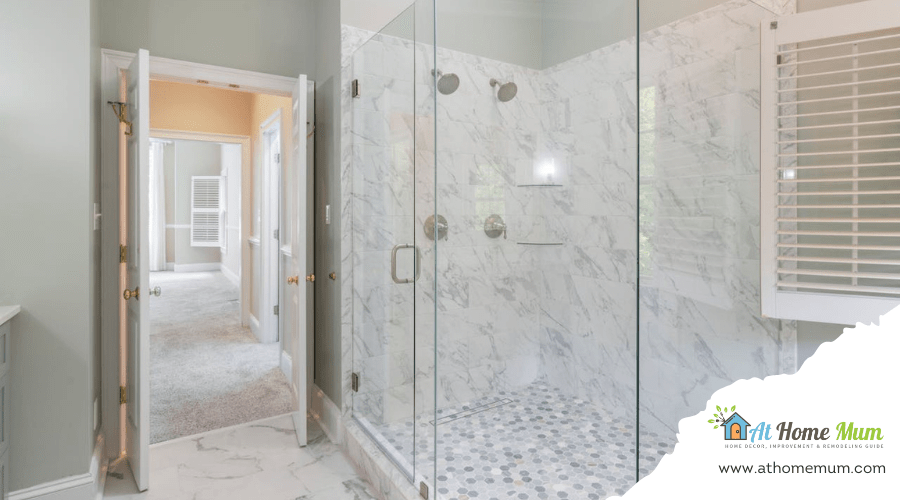
Choosing the right shower door can elevate both the style and functionality of your bathroom. With so many options available, finding one that suits your space, needs, and budget may feel overwhelming. This article will guide you through the key considerations and help you make a better decision for your bathroom renovation project.
Assessing Your Bathroom Space
Assessing your bathroom space is the first step in choosing the right shower door. A small bathroom might benefit from a sliding door that doesn’t require extra space to open. Larger bathrooms offer more flexibility, as they allow for hinged or pivot doors that swing outward.
Take note of your shower type. A walk-in shower without a raised threshold might need a frameless door for a sleek look, while a tub-shower combo often pairs well with a framed or semi-frameless door. Consider how the door will interact with nearby fixtures like sinks or toilets.
Measure carefully and keep your bathroom’s style in mind. A well-chosen door complements the overall design and makes the space more functional. Taking time to evaluate your bathroom’s layout will help you choose a door that fits seamlessly into your renovation plans.
Types of Shower Doors
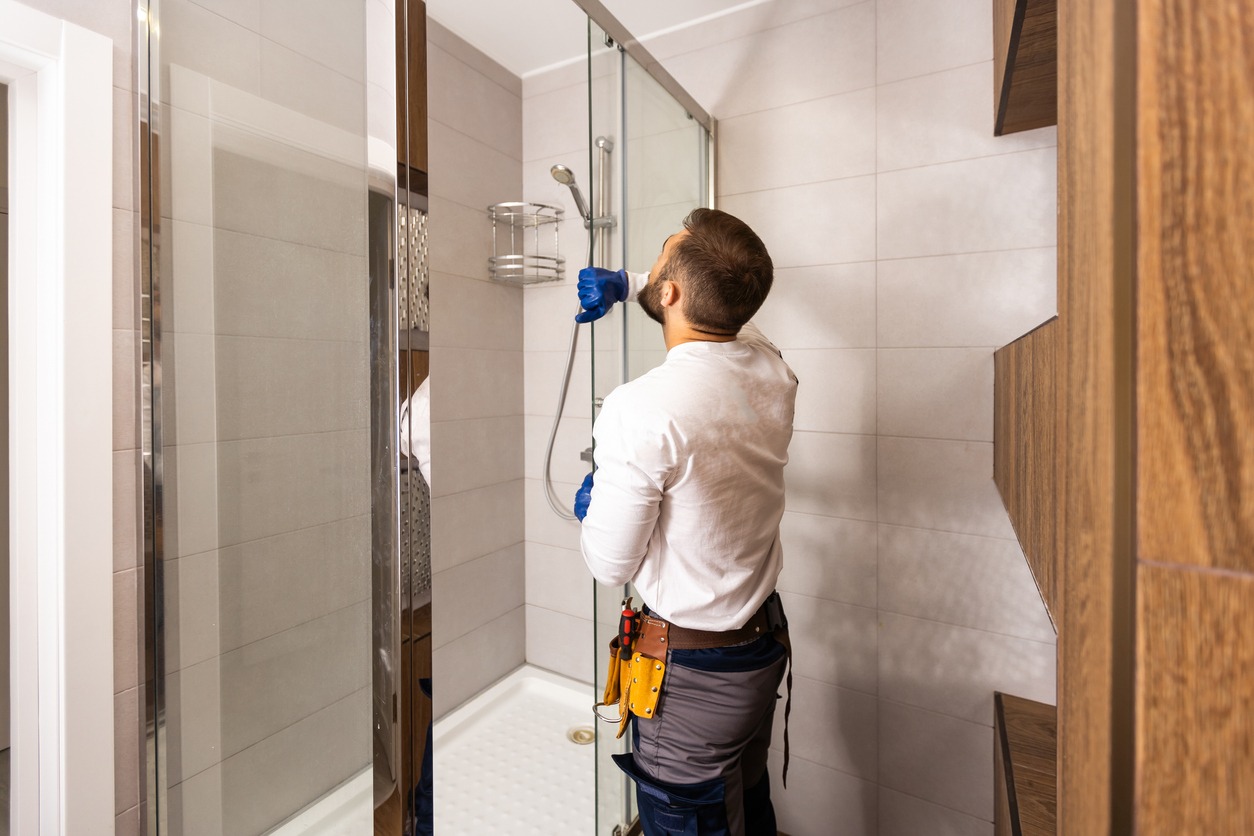
Shower doors come in a variety of styles, and the right choice depends on your bathroom’s size, layout, and overall design. Below are the most common types of shower doors and what you should know about each.
Frameless Shower Doors
Frameless shower doors are made entirely of tempered glass and give your bathroom a modern and open look. They don’t have metal framing around the edges, which makes them easier to clean and less likely to collect grime. Their sleek design is ideal for minimalist or contemporary bathrooms.
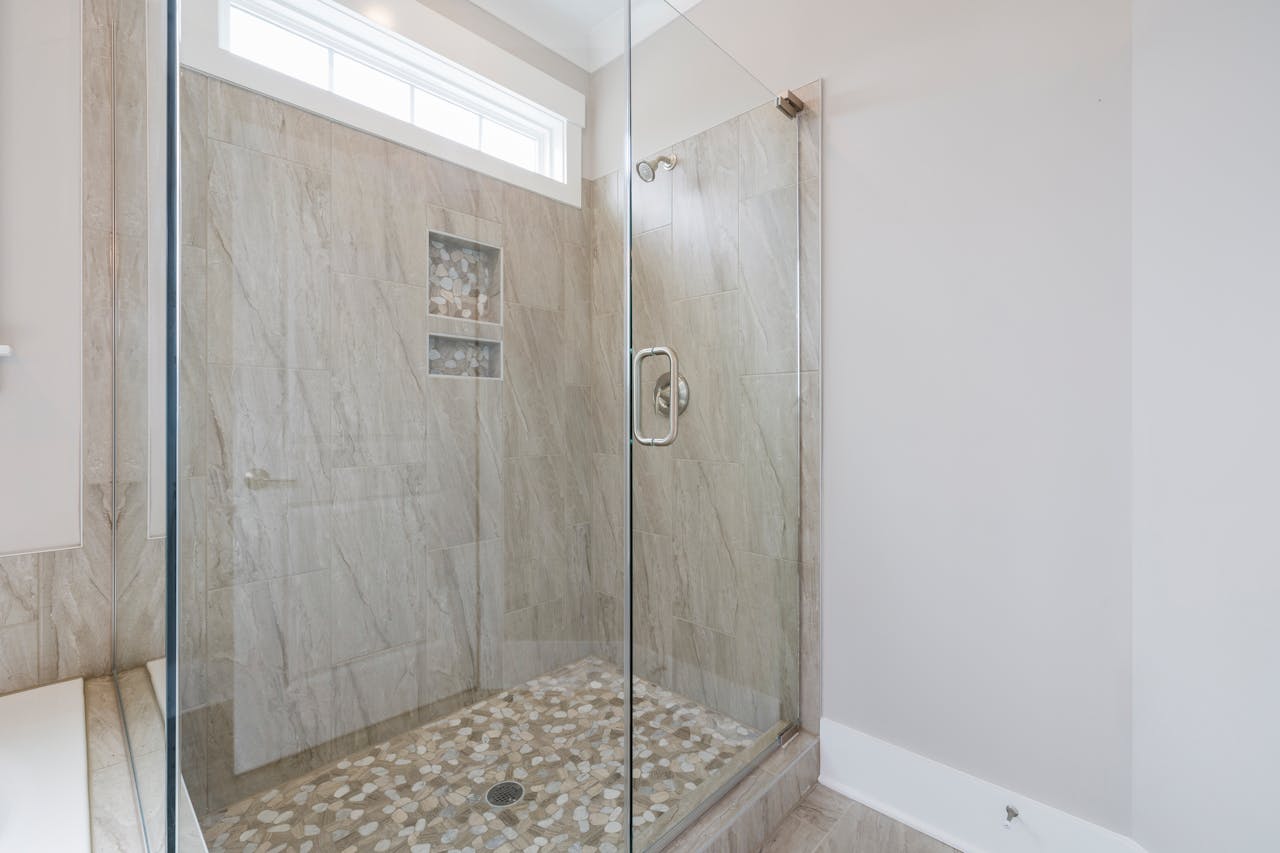
However, frameless doors tend to be more expensive than framed options. They also require professional installation to ensure the glass is properly secured. If you’re looking for a stylish and durable choice, this option might be worth considering.
Framed Shower Doors
Framed shower doors have a metal frame around the glass panels, providing added stability and support. They are often more affordable than frameless doors, and they also come in a variety of styles, so you’re not limited in terms of design.
One downside of framed doors is that the metal can accumulate soap scum over time. Regular cleaning is necessary to keep them looking their best. Despite this, they remain a reliable and practical option for many bathrooms.
Sliding Shower Doors
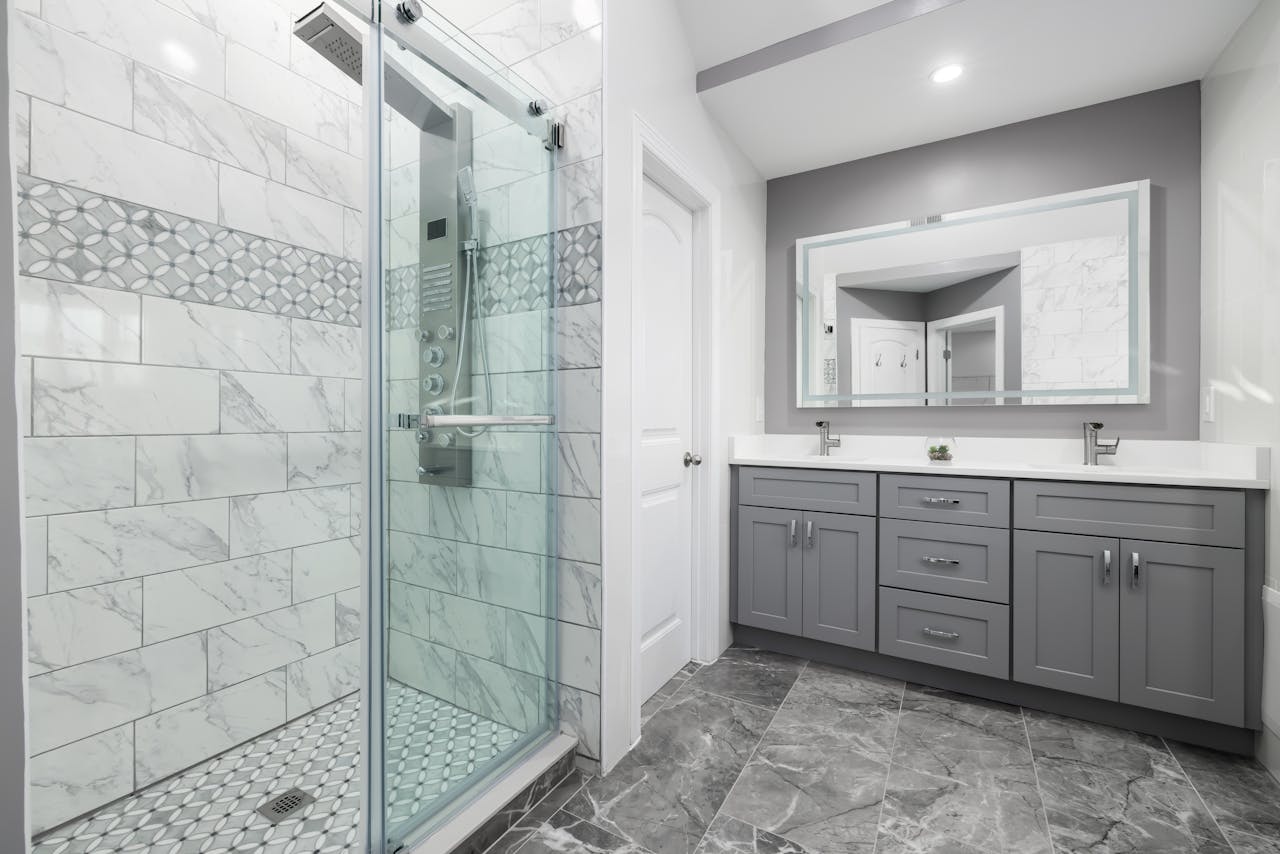
Sliding doors, also known as bypass doors, are perfect for bathrooms with limited space. They feature two or more glass panels that slide along a track, which makes them a great choice for showers or tub-shower combinations. Since they don’t require additional room to open, they work well in compact layouts.
Although sliding doors are space-saving, their tracks can collect dirt and require regular maintenance. Still, they offer convenience and a clean look that fits various design styles.
Hinged Shower Doors
Hinged doors open outward on hinges, similar to a standard door. They provide a wide opening, and they are also quite versatile and work well with both frameless and framed designs.
Before choosing a hinged door, make sure there is enough clearance for it to swing open without hitting other fixtures. This type of door adds a touch of elegance but requires careful planning to fit seamlessly into your space.
Bi-Fold Shower Doors
Bi-fold doors are a space-saving option that folds inward. They consist of panels connected by hinges that allow the door to collapse as it opens. This design works well in tight areas where a sliding or hinged door might not fit.
While bi-fold doors are practical, they may not offer the same sleek look as frameless or sliding doors. Still, they provide a functional solution for bathrooms where maximizing space is a priority.
Curved or Neo-Angle Shower Doors
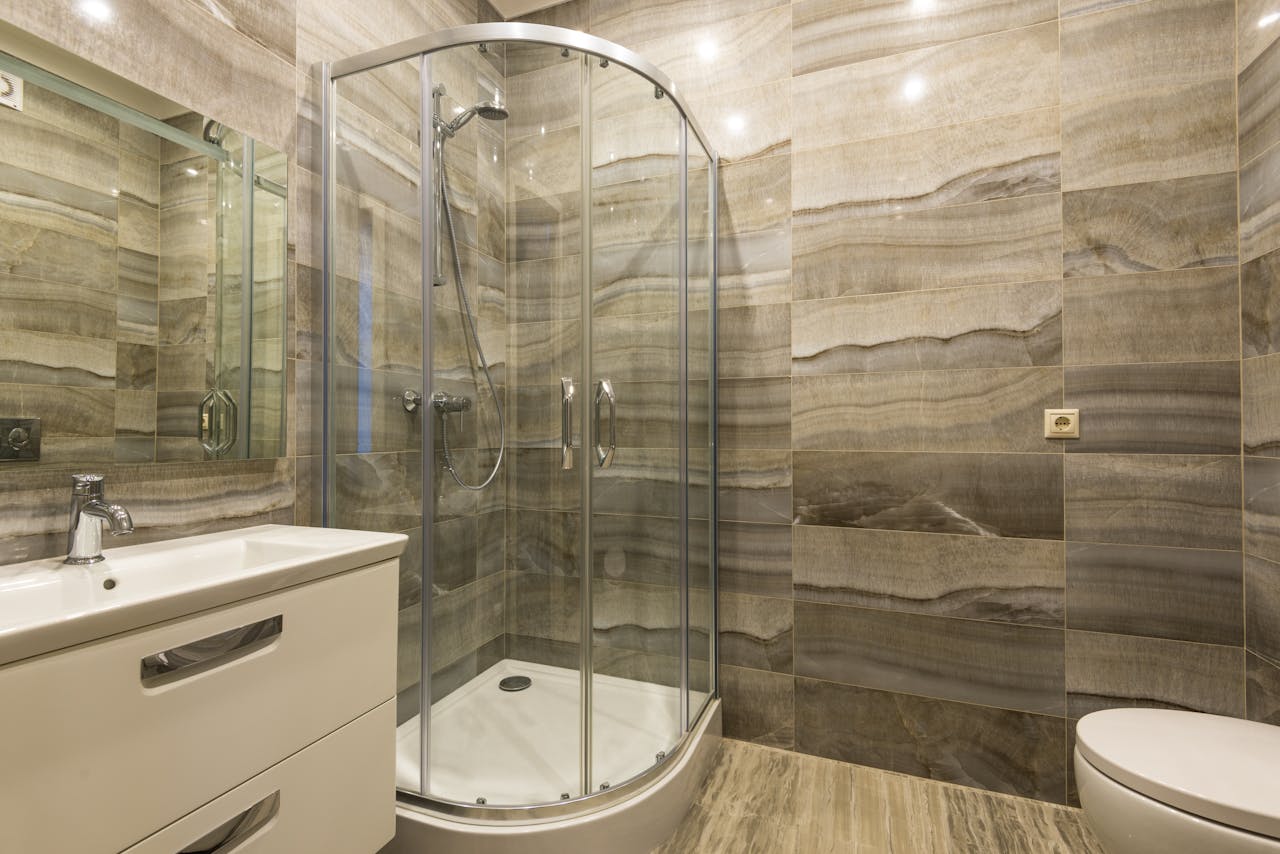
Curved and neo-angle doors are designed for corner showers. Curved doors follow a rounded track, while neo-angle doors feature straight lines that meet at an angle. Both options work well in bathrooms with unique layouts.
These doors often make smaller bathrooms feel more spacious. They pair nicely with frameless designs to maintain a clean and modern appearance. Keep in mind that their custom shapes might come with a higher price tag.
Material and Design Considerations
The materials you select for the shower door affect durability, maintenance, and how well the door fits into your overall bathroom design.
Glass is one of the most important elements to consider. Clear glass creates a bright and open look to make the bathroom feel more spacious. Frosted or textured glass adds privacy while still allowing light to pass through. Tinted and patterned glass offers a decorative touch that can complement the color scheme of your bathroom. For added convenience, many doors are available with special coatings that resist water stains and reduce cleaning efforts.
The frame and hardware are also key design elements. Framed doors provide structure and support, often using materials like aluminum or stainless steel. Frameless designs create a minimalist look, with sleek hardware that blends seamlessly into modern bathrooms. Pay attention to the finish on handles and hinges. Options like brushed nickel, chrome, or matte black can match other fixtures in the bathroom.
Budget and Installation
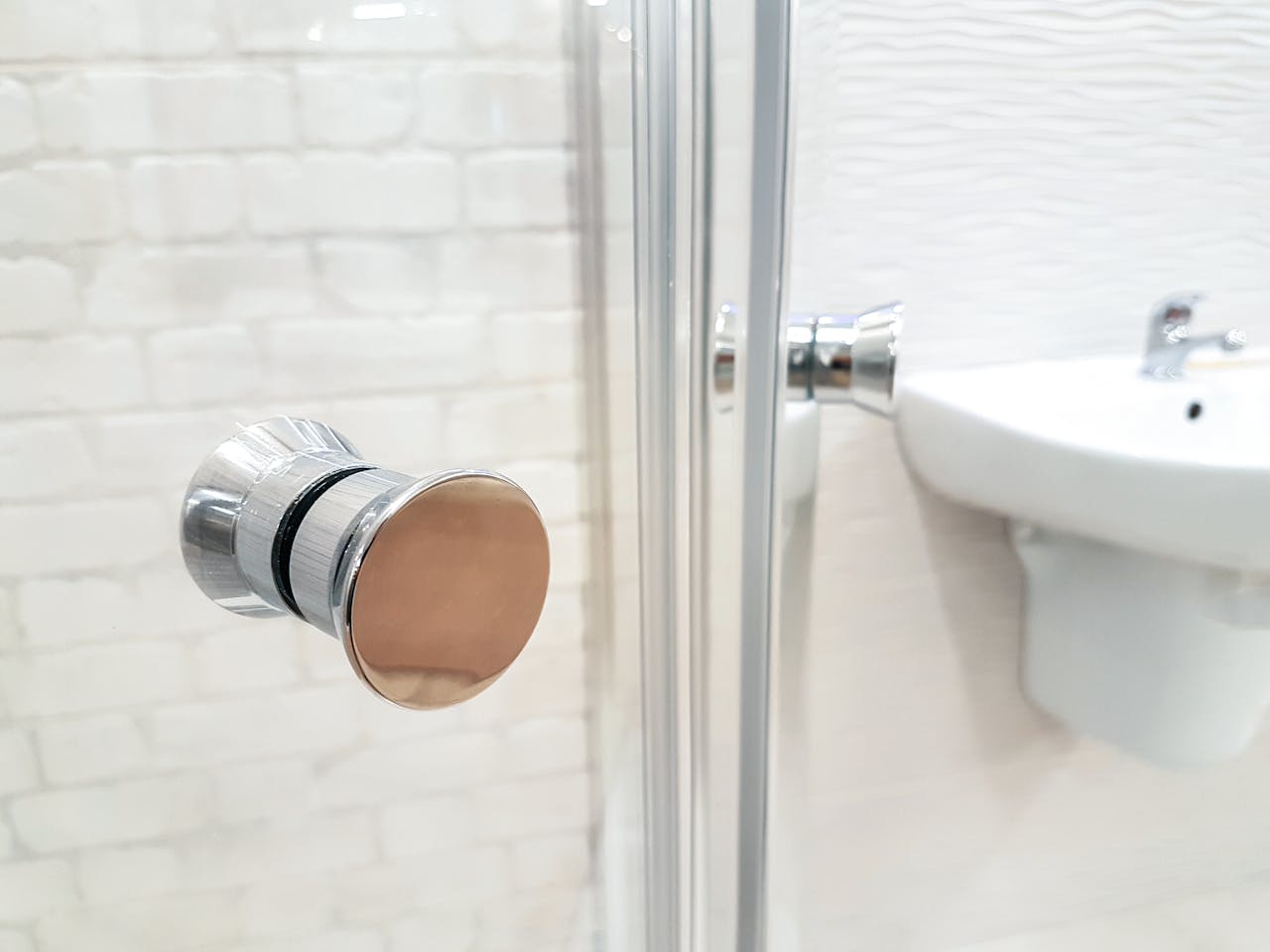
Budget and installation are key factors to consider when choosing a shower door. The cost of a shower door depends on the materials, style, and level of customization.
Frameless glass doors tend to be more expensive due to their sleek design and higher-quality materials, while framed doors are typically more affordable. Sliding and bi-fold doors are often budget-friendly options for smaller bathrooms, while hinged and custom designs may require a larger investment.
Deciding between DIY and professional installation is another important consideration. Installing a framed door is generally easier for those with basic skills, but frameless designs often require professional expertise to handle the heavier glass and precise alignment.
Improper installation can lead to leaks, instability, or difficulty opening and closing the door. Accurate measurements and careful planning are essential for a successful outcome.
Conclusion
By considering the size of your space, the types of doors available, and the materials and designs that match your style, you can get the shower door that fits both your budget and your vision. Careful planning and attention to details like installation will help you achieve a functional and stylish result that enhances your bathroom for years to come.