Choosing the Best Mirror Style for Every Room in Your Home
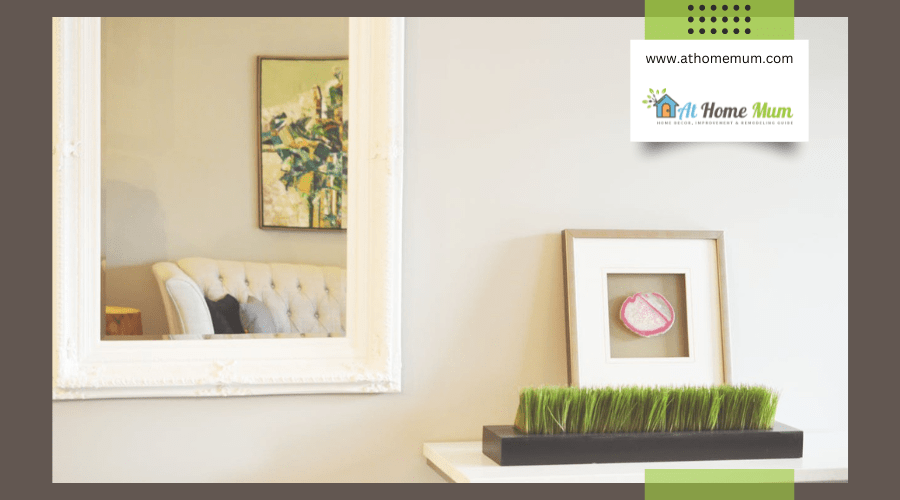
The right mirror can brighten a room, create the illusion of more space, and complement your overall decor style. Choosing the perfect mirror for each room involves balancing aesthetics and purpose, while considering factors like size, shape, and placement. Join us as we guide you through selecting mirror styles that enhance every corner of your home.
What are the Different Styles of Mirrors?
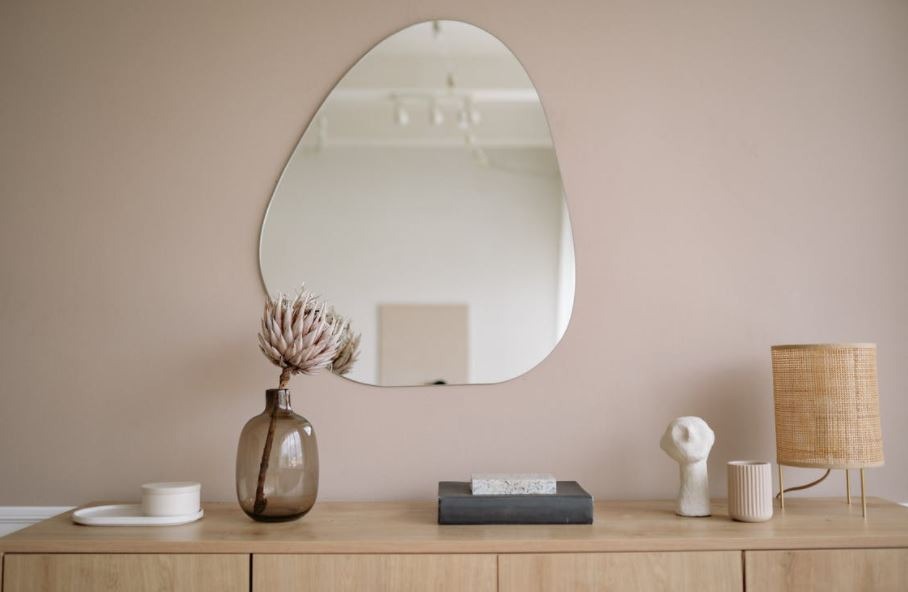
Mirrors come in a variety of styles, and each of them are designed to suit different spaces and tastes. Understanding the characteristics of these styles can help you select the right one for your home. Below are some of the most popular mirror styles and what sets them apart.
Frameless Mirrors
Frameless mirrors offer a clean and minimalist look, making them a popular choice for modern and contemporary spaces. Without a frame, they blend seamlessly into the room, emphasizing simplicity and functionality. These mirrors often have polished or beveled edges.
They are versatile and work well in bathrooms, dressing rooms, and spaces where a sleek, understated design is preferred. Frameless mirrors are also easier to match with existing decor, as they don’t introduce additional materials or colors.
Sunburst Mirrors
Sunburst mirrors are known for their decorative frames, which radiate outward like the rays of the sun. These mirrors originated in mid-century design but remain a timeless statement piece in many interiors. The frames are often made of metal or wood and can feature intricate or bold designs.
These mirrors are ideal for living rooms, entryways, or any space where you want to add a touch of elegance and personality. They serve as a focal point and pair well with both vintage and modern decor styles.
Venetian Mirrors
Venetian mirrors are ornate and elegant, often featuring etched or decorative detailing on the glass itself. These mirrors have their roots in traditional Italian craftsmanship and are associated with luxury and refinement. Their intricate designs make them stand out as works of art.
These mirrors are typically used in bedrooms, bathrooms, or formal living spaces. They add a touch of glamour and work well in classic or vintage-inspired interiors. Venetian mirrors are perfect for those looking to add a sense of sophistication to their home.
Full-Length Mirrors
Full-length mirrors are practical and versatile, offering a complete reflection of the body. They are often used in bedrooms, dressing rooms, and closets for daily grooming and outfit checks. These mirrors are typically rectangular, but some styles feature rounded edges or decorative frames.
In addition to their functionality, full-length mirrors can make a room feel larger and brighter. Placed strategically, they enhance natural light and create the illusion of more space.
Antique Mirrors
Antique mirrors have a vintage appeal, often featuring aged or distressed glass and ornate frames. These mirrors are prized for their character and unique imperfections, which add a sense of history and charm to a space.
These mirrors are often used in living rooms, dining rooms, or hallways to create a cozy and nostalgic atmosphere. Pairing them with modern elements can also create an interesting contrast for an eclectic look.
Round Mirrors
Round mirrors offer a soft and modern aesthetic, making them a popular choice for a wide range of spaces. Their circular shape creates a sense of balance and can help soften the sharp lines in a room. They are often frameless or feature thin, minimalist frames.
These mirrors work well in entryways, bathrooms, and above dressers or consoles. Their simplicity allows them to fit seamlessly into contemporary, Scandinavian, or even bohemian decor styles.
Choosing a Mirror Style for a Living Room
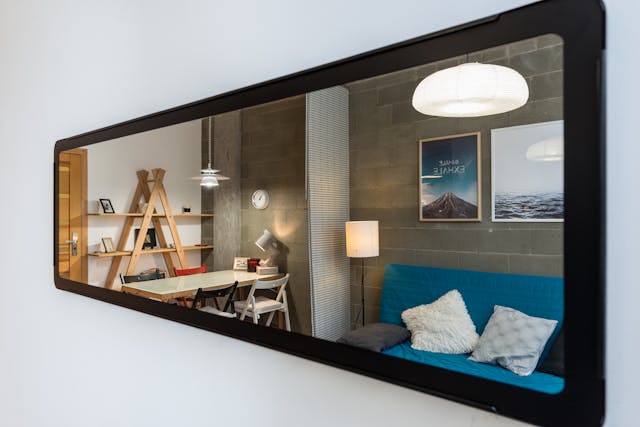
A mirror is more than a decorative piece in a living room. It plays an important role in creating a balanced and inviting space. To select the right mirror style, consider how it complements the room's layout and overall design.
- Match the Room’s Style: Choose a mirror that blends with your living room’s design theme. A sleek, frameless mirror works well in modern spaces, while an ornate frame fits perfectly in traditional or vintage-style rooms. The design of the mirror should align with your furniture and decor.
- Consider Size and Placement: A large mirror can make the room feel more open and bright. For smaller living rooms, a tall mirror placed near a window enhances natural light. If you’re using the mirror as a centerpiece, ensure it is proportional to the wall space and surrounding furniture.
- Think About Shape: Rectangular mirrors offer a classic and structured look, while round mirrors add softness and balance. For a bold statement, consider unique shapes like hexagonal or irregular designs. The shape you choose should complement the room’s existing elements.
- Use Mirrors to Highlight Features: Position mirrors to reflect beautiful aspects of the room, such as a fireplace, artwork, or a well-arranged seating area. This technique draws attention to focal points and enhances the overall ambiance.
- Experiment with Frames and Finishes: The frame is an opportunity to add character. A metallic frame adds a modern edge, while a wooden one brings warmth and a natural feel. If you prefer a minimalist look, opt for a frameless design.
Choosing a Mirror Style for a Bedroom
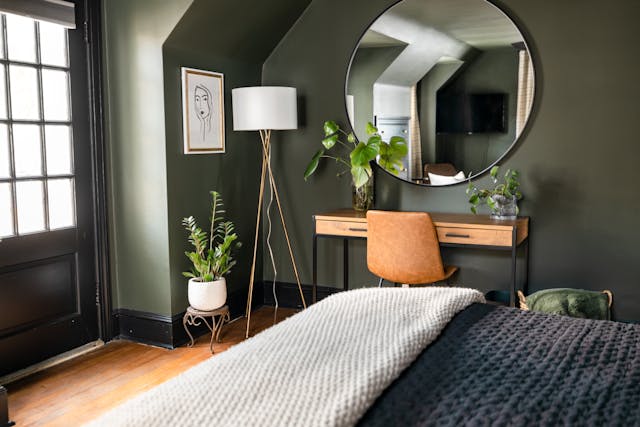
Mirrors are important for bedrooms, as they offer both function and style. They can enhance natural light, provide a space for getting ready, and complement the room’s decor. Here are the tips to help you choose the right mirror style for your bedroom.
- Pick a Mirror That Fits the Room’s Purpose: Consider how the mirror will be used. A full-length mirror is essential for dressing areas, while a smaller decorative mirror works well for accenting a vanity or nightstand. Make sure the size and placement suit your daily needs.
- Choose a Frame That Matches the Decor: The frame should align with the overall style of the bedroom. A wooden or fabric-wrapped frame creates a cozy feel, while metallic or sleek designs add a modern touch. Neutral tones blend well in most bedrooms, while bold colors or patterns can create a statement.
- Position the Mirror Thoughtfully: Place mirrors where they reflect light or highlight a pleasant view. A mirror opposite a window can make the room brighter and more open. Avoid placing mirrors where they reflect clutter or create visual distractions.
- Consider Shapes That Complement the Space: Round mirrors bring softness and balance, which is ideal for creating a relaxing atmosphere. Rectangular mirrors are practical and versatile, while more unique shapes add personality to the room.
- Combine Function and Style: Look for mirrors that serve dual purposes. A mirror with built-in storage or a shelf is a great choice for smaller bedrooms. Decorative mirrors with intricate frames can act as artwork while still being functional.
Choosing a Mirror Style for a Kitchen
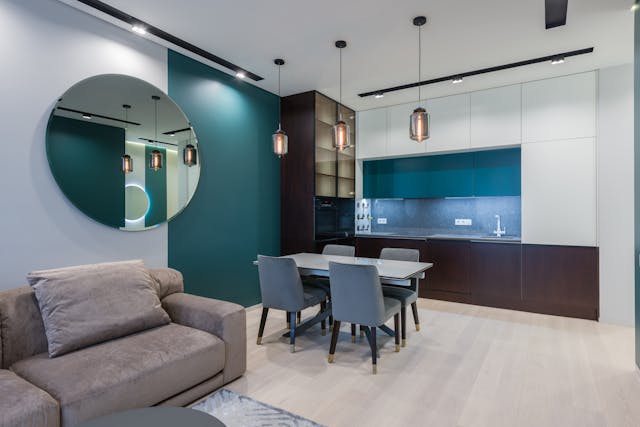
Mirrors are not often the first thought for kitchen design, but they can add style and functionality to the space. Below are the useful tips to help you choose the right mirror for your kitchen.
- Select a Mirror That Enhances Light: Kitchens often benefit from added brightness. Position a mirror to reflect natural light or amplify the glow of pendant lights and under-cabinet lighting. This can make the space feel more open and inviting.
- Choose a Durable Design: The kitchen is a high-traffic area with exposure to heat, moisture, and cooking splatters. Look for mirrors with easy-to-clean surfaces and sturdy frames, such as metal or tempered glass, to withstand the environment.
- Consider a Decorative Element: Use a mirror as a stylish accent. A framed mirror with a unique design can act as a focal point above a dining nook, backsplash, or on an empty wall. Choose a style that ties in with the kitchen’s overall aesthetic.
- Opt for Strategic Placement: Place mirrors where they can highlight key features like a backsplash, open shelving, or a well-decorated countertop. Avoid placing them directly across from cluttered areas to maintain a clean and organized look.
- Experiment with Smaller Mirrors: In kitchens, smaller mirrors can work well as part of a gallery wall or as a backsplash accent. Grouping smaller mirrors with other decorative pieces can add character without overwhelming the space.
Choosing a Mirror Style for a Bathroom
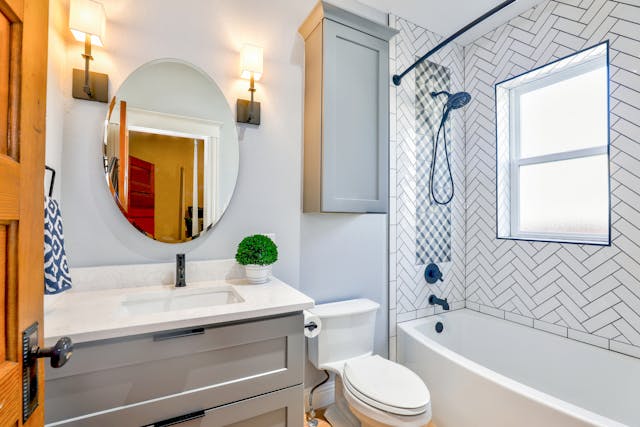
A bathroom should always have a mirror, as it is essential for daily tasks while also contributing to the room’s overall design. Selecting the right mirror involves balancing functionality with aesthetics. Check out these practical tips to guide your choice.
- Focus on Practicality: A bathroom mirror should serve your needs. For grooming or applying makeup, consider mirrors with built-in lighting or magnification. If multiple people use the bathroom, a wide mirror above the vanity provides ample space.
- Match the Style to the Bathroom Design: Choose a mirror that complements the bathroom’s decor. Sleek, frameless mirrors suit modern bathrooms, while ornate or vintage-style frames add charm to more traditional spaces. The design of the mirror should fit seamlessly with other elements in the room.
- Consider the Size and Proportions: The mirror should be proportional to the vanity and wall space. A mirror that is too small may feel out of place, while an oversized mirror could overwhelm the room. Measure the area carefully before selecting the size.
- Opt for Durable Materials: Bathroom mirrors are exposed to moisture and humidity, so look for materials that can withstand these conditions. Frames made of metal or moisture-resistant finishes are ideal for long-lasting use.
- Add Functional Features: Look for mirrors with additional features like built-in shelves or LED lighting. These can provide extra storage or improve visibility, especially in bathrooms with limited space or poor lighting. Functional additions can make your daily routine more convenient.
Conclusion
Mirrors are versatile elements that bring style and functionality to every room in your home. By considering the unique needs of your living room, bedroom, bathroom, kitchen, and beyond, you can create a cohesive and practical design that enhances your home.