Can You Mix and Match Dining Room Tables and Chairs?
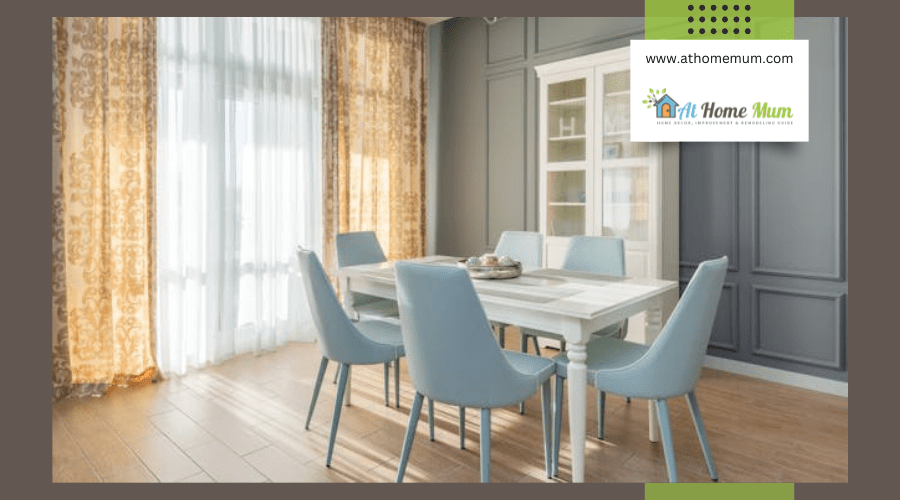
Mixing and matching dining room tables and chairs is becoming a popular choice in interior design. It allows homeowners to create unique spaces that reflect their personality and style.
The approach breaks away from traditional matching sets while offering more flexibility and creativity. If you are planning on pairing different dining room tables and chairs, then we are here to provide you with a guide to properly mix and match them.
Why Mix and Match?
Mixing and matching dining room tables and chairs is a practical and creative way to design a space that feels personal and functional. Here are the reasons why this approach works:
- Personal Expression: Combining different pieces allows you to showcase your individual style and preferences.
- Flexibility: It’s easier to mix new items with existing furniture, especially if you’re working with hand-me-downs or older pieces.
- Budget-Friendly Options: You can save money by purchasing mismatched items at secondhand stores, sales, or online marketplaces.
- Creative Freedom: This method lets you experiment with colors, materials, and textures for a customized look.
- Sustainability: Reusing or repurposing furniture reduces waste and supports eco-friendly design choices.
Design Principles to Consider
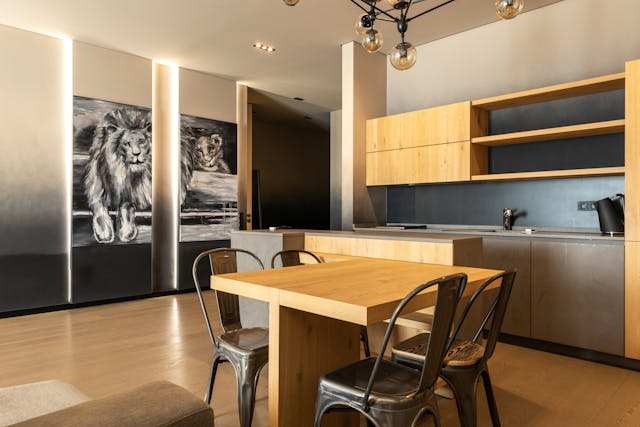
Creating a dining room with mixed and matched furniture is an opportunity to design a space that feels unique and cohesive. To keep the look balanced and inviting, it’s helpful to follow some basic design principles.
Balance and Proportion
Balance is key when combining different styles of tables and chairs. Make sure the pieces are proportional to each other and the size of the room. A large dining table pairs best with chairs that have enough height and presence to match its scale, while smaller tables work well with lightweight or minimalist chairs. This prevents the space from feeling mismatched or overcrowded.
The shapes of the furniture also play a role in achieving balance. For example, a rectangular table might look best with chairs that have clean, angular lines, while a round table could work with softer, curved designs. Visual weight is another factor to consider. Heavier materials like wood or metal on one side of the table can be balanced with lighter or more open designs on the other.
Color Coordination
Colors help tie mismatched furniture together. Choose a color palette that complements the room and repeat those shades throughout the furniture. This could mean selecting chairs in varying tones of the same color or painting mismatched pieces to create uniformity.
Neutral colors like white, black, and natural wood tones are versatile and easy to coordinate. For a more playful look, consider introducing a pop of color or pattern on one or two pieces.
Material Harmony
The materials used in your furniture should feel connected, even when they are different. For example, mixing wood and metal can look great when the finishes complement each other. A warm, rustic wooden table could pair beautifully with sleek metal chairs, creating a balance of textures.
If you’re blending multiple materials, consider repeating one or two elements across different pieces. For instance, a table with metal legs might work well with chairs that have metal accents.
Theme Consistency
While mixing styles is encouraged, sticking to an overarching theme keeps the space unified. For instance, a farmhouse table with vintage-inspired chairs creates a cohesive rustic vibe, while a modern glass table and minimalist chairs can bring a contemporary touch.
Avoid combining styles that clash too strongly, such as pairing ornate, traditional chairs with a minimalist table. Look for commonalities in shape, material, or color that help bridge different styles.
Comfort and Practicality
Comfort is just as important as style when it comes to dining furniture. Chairs should be comfortable enough to sit in for long meals, and their height should work well with the table. If the table has a thick apron or low support beams, check that chairs can slide under without issue.
Practicality extends to the materials and finishes of the furniture. For families or homes with frequent gatherings, easy-to-clean surfaces and sturdy designs are a must.
Popular Mixing Styles
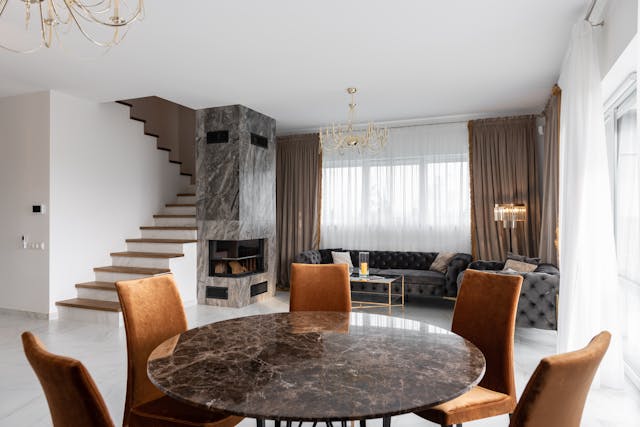
Even though you have the freedom to mix and match any dining room table and set of chairs, there are certain styles that work better. Different approaches work for different tastes, and each style offers its own charm and character.
Eclectic Charm
This style embraces bold combinations and a mix of patterns, colors, and shapes. Eclectic dining rooms often feature chairs in different styles, like pairing a mid-century modern chair with a rustic wooden table. The key to making this look work is to have at least one unifying element, such as a shared color palette or material.
Rustic Warmth
Rustic styles focus on natural materials and earthy tones. A large wooden farmhouse table paired with mismatched vintage chairs creates a cozy, lived-in feel. Mixing distressed finishes or using wicker and wooden chairs together enhances the warmth of the space while keeping it casual.
Modern Minimalism
Simplicity defines this style. A sleek, contemporary dining table with chairs in varying shades of the same neutral color creates a clean and cohesive look. Materials like glass, metal, or smooth wood can help maintain the minimalist feel while allowing for subtle variations.
Industrial Edge
Industrial design combines raw materials like metal, wood, and leather for a bold, urban aesthetic. A sturdy metal table with chairs made of reclaimed wood or steel adds character to the room. Mixing textures within this style, like pairing smooth leather with rough wood, gives the space depth without overcomplicating it.
Vintage Mix
This style brings together pieces with a timeless charm. Mixing antique or thrifted chairs with a classic table creates an inviting and nostalgic atmosphere. Different wood finishes, painted chairs, or unique upholstery can add layers of personality to the space.
Colorful Contrast
For those who enjoy a lively and playful look, mixing bold colors is a great option. A white or neutral dining table can be paired with chairs in different vibrant hues. This style works well when the room’s décor is kept simple.
Common Mistakes to Avoid
Some missteps in matching dining room tables and chairs can make the design feel disjointed or impractical. Avoid these common mistakes to keep the look cohesive and functional:
- Too Many Contrasts: Using chairs that vary too much in style, color, or material can make the room feel chaotic. Aim for balance by connecting the pieces through at least one shared element, such as a color palette or similar material.
- Ignoring Comfort: Chairs might look great, but if they’re uncomfortable or don’t pair well with the height of the table, your dining experience will suffer. Test the seating before committing to it.
- Overcrowding the Space: Choosing oversized chairs or too many pieces can make the room feel cramped. Make sure there’s enough space for people to move comfortably around the table.
- Clashing Styles: Combining furniture styles that are too opposite—like ultra-modern and heavily ornate—can look awkward. Focus on mixing styles that have some shared characteristics, like similar shapes or finishes.
- Neglecting Practicality: Delicate or hard-to-clean materials might not hold up well for daily use, especially in homes with kids or pets. Opt for durable and easy-to-maintain pieces for a functional dining setup.
- Ignoring the Room’s Design: Furniture that doesn’t complement the overall style of the room can feel out of place. Consider how the dining set fits into the broader design of the space, including colors, textures, and décor.
Conclusion
Mixing and matching dining room tables and chairs is a creative way to make your space feel more personal and unique. With some thoughtful planning and attention to balance, it’s possible to create a cohesive look that feels both functional and inviting.