
Amazing Facts About Glass You Probably Didn’t Know

Glass is everywhere around us, yet its story remains largely overlooked. This simple material, used in windows, bottles, and screens, holds surprising secrets that span centuries of discovery and craftsmanship. Join us as we shed light on some amazing facts about glass that may change the way you think about this common yet extraordinary substance.
Glass Is Technically a Liquid
Many people think glass is a solid, but that’s not completely true. It behaves like a solid, but its structure is more like that of a liquid that has been frozen in place. This means that the molecules in glass are not as organized as in typical solids. Instead, they are scattered in a random pattern, more like a liquid that has stopped moving.
This unusual state is called an amorphous solid. It is why old windows sometimes look thicker at the bottom. Some believe that this is because the glass slowly flows downward over time, but this is a myth. The way old glass looks is due to how it was made centuries ago.
Understanding this unique state makes glass even more fascinating. It shows that what seems simple at first glance often has a deeper story behind it.
Glass Can Be Made Stronger Than Steel

Standard glass is known for being fragile. However, glass can be engineered to be incredibly strong. Scientists have developed special types of glass that are even tougher than steel. One example is Gorilla Glass, which is used on smartphones and tablets. It can withstand scratches and drops that would normally break regular glass.
This type of glass is made through a process called ion exchange. This process involves soaking the glass in a salt bath, which strengthens its structure. It’s why modern screens are so durable compared to older ones.
The potential for strong glass goes beyond just screens. Researchers are working on even stronger types for use in buildings and cars. This technology could make everyday objects safer and more reliable.
Glass Was First Made Thousands of Years Ago
Glassmaking is not a modern invention. It dates back to around 2500 BC in ancient Mesopotamia and Egypt. Early glass was often used for making beads and decorative items. The process was not refined, but it was an important step in human craftsmanship.
Over time, the techniques improved. By the Roman era, glassblowing had become common. This allowed people to create larger and more intricate glass objects. The invention of glassblowing changed the way glass was used, making it easier to produce items like containers and windows.
Today, glass has different properties and uses. But it all started with those ancient techniques and simple glass objects thousands of years ago. It is amazing to think that this material, which has roots in ancient history, is now part of modern technology and daily life.
Glass Can Be Recycled Indefinitely
One of the best features of glass is that it can be recycled over and over without losing its quality. Unlike some materials that weaken with each recycling, cycle glass can be melted down and reused indefinitely. This makes it one of the most sustainable materials available.
Recycling glass saves natural resources. For every ton of glass recycled, more than a ton of raw materials like sand and limestone is saved. The process also uses less energy compared to creating new glass from scratch. This helps reduce carbon emissions and supports environmental health.
Despite its recyclability, only a portion of glass bottles and jars are recycled. Encouraging more glass recycling can help reduce waste and make better use of this amazing material’s endless potential.
Some Glass Can Self-Repair
Scientists have discovered types of glass that can repair themselves. This discovery came from research into making stronger and more reliable materials for electronic devices. The self-repairing glass uses special chemical bonds that reform when broken. This means that if the glass cracks or chips, it can mend itself under certain conditions.
One type of self-repairing glass was developed by researchers in Japan. They used a low-cost polymer called polyether-thioureas, which has the ability to heal cracks when pressed together. This new kind of glass can help prevent minor damage from becoming worse over time.
The concept of self-repairing glass could be useful in many areas like mobile devices and vehicle windows. It adds a new level of durability to objects that would normally need replacing or repairing after damage.
Glass Can Block Ultraviolet (UV) Rays

Most people know that glass lets light through, but fewer know that certain types can block harmful UV rays. Regular window glass naturally blocks some UV light, but not all of it. Special coatings and treatments can be added to make glass block nearly all UV radiation. This is important because too much UV exposure can damage skin and fade interior furnishings.
UV-blocking glass is used in many buildings and vehicles. It protects occupants and the interior from the long-term effects of sunlight. These coatings are thin and nearly invisible, yet they are highly effective at filtering out harmful rays while still letting visible light through.
The ability to block UV rays makes glass not just a transparent material but also a protective one. This feature is particularly valuable for people who want more comfort and safety in their homes and cars.
Glass Is Made from Sand
It might seem surprising but glass is primarily made from sand. More specifically it is made from silica which is found in sand. To make glass the sand is heated to very high temperatures until it melts and turns into a liquid. This liquid is then cooled and solidifies into glass.
Silica itself does not melt easily, so other materials like soda ash and limestone are added to lower its melting point. This makes the production process more efficient. The result is the clear or colored glass that we use for windows, bottles, and other items.
The process of turning sand into glass has been used for thousands of years. Ancient civilizations like the Egyptians and Romans were known for their glassmaking skills. Even with today’s advanced technology, the basic process remains the same.
Bulletproof Glass Is Layers of Different Types of Glass
Bulletproof glass is not made from just one type of glass. It is created by layering different types of glass and plastic to create a material strong enough to stop bullets. The layers are bonded together in a way that absorbs the energy from the bullet and prevents it from passing through.
The outer layer of bulletproof glass may crack or break when hit, but the inner layers hold together. This combination of hard and flexible materials stops the bullet and spreads its energy over a larger area. The plastic in the middle acts as a cushion and keeps the glass intact even if the outer layer breaks.
This type of glass is used in banks, government buildings, and armored vehicles. While it looks like regular glass, it provides an extra layer of safety for those who need it most.
Some Glass Can Be Made to Change Color
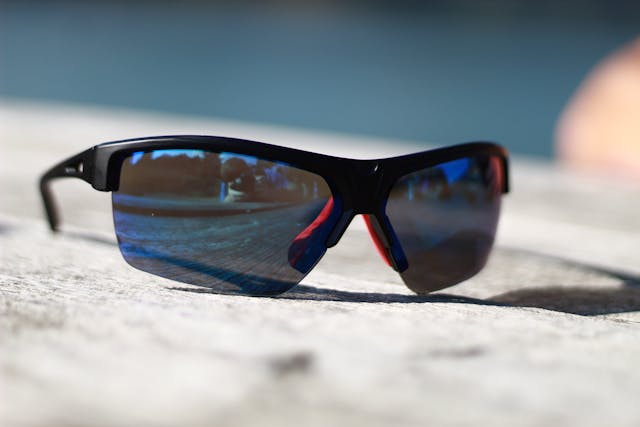
There are types of glass that change color depending on the light. This type of glass is known as photochromic glass. It is commonly used in sunglasses that darken when exposed to sunlight and become clear again indoors. The secret to this glass lies in the tiny particles embedded within it.
These particles react to UV light by changing shape, which causes the glass to darken. When the UV light is no longer present, the particles return to their original shape, and the glass becomes clear again. This process happens automatically and does not require any power source.
Photochromic glass is useful for more than just sunglasses. It is also used in some building windows to control the amount of light and heat that enters a room. This makes it not only practical but also energy efficient.
Some Glass Can Conduct Electricity
While most people think of glass as an insulator that does not conduct electricity, some types of glass are actually conductive. These special types are known as conductive or doped glass. They are used in a range of modern technologies, such as touchscreens and solar panels. The glass is coated or mixed with conductive materials like indium tin oxide to allow an electric current to pass through it.
Conductive glass is essential for touchscreens. It enables the screen to detect where you touch by sensing changes in the electrical field. This technology has made interactive displays and devices like smartphones and tablets possible. Without conductive glass, these everyday gadgets would not function as they do.
Solar panels also rely on conductive glass. The glass helps capture sunlight and transfer the energy to the solar cells that convert it into electricity. This type of glass is made to be both strong and highly transparent so that as much sunlight as possible can pass through.
Conclusion
The unique properties and surprising uses of glass show how versatile and essential it has become. From its ancient origins to modern technology, glass has proven to be both simple and complex. Learning about the amazing facts we have stated above can change how we see this everyday material while also showcasing the impressive role it plays in our world.