A Guide to Picking the Right Frame and Size for Bathroom Mirrors
A bathroom mirror is a functional accessory that can serve a purpose in defining the style and feel of the space. Choosing the right frame and size may seem straightforward, but it involves balancing design, practicality, and proportion. This guide will help you make informed choices to enhance both the look and usability of your bathroom.
Understanding Your Bathroom Space
Understanding your bathroom space is the first step in choosing the right mirror. Start by measuring the wall area above your vanity. Take note of the width and height of the available space, as well as the placement of any nearby fixtures like lighting or shelving. This will help you determine the maximum size your mirror can be without crowding the wall.
The style of your bathroom also matters. A modern design might call for a sleek, frameless mirror, while a traditional bathroom could benefit from a decorative, framed option. Look at the materials and colors in the room, including hardware and cabinetry, to select a mirror that complements the overall design.
Proportion is another key factor. A mirror that is too small may look out of place, while one that is too large can overwhelm the space. Aim for a balance that fits both the aesthetic and functional needs of the room.
Choosing the Right Size
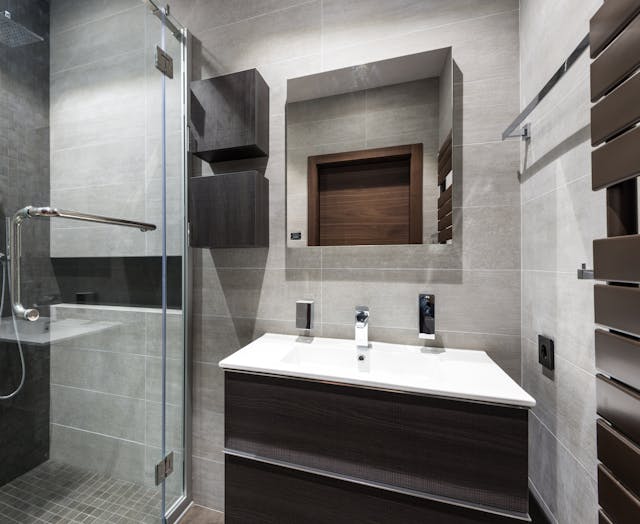
Selecting the right size for your bathroom mirror involves more than just picking something that fits the wall. It’s about creating balance and functionality while enhancing the overall design of the space. Here are the key factors to consider:
Width
The width of your mirror should align with the size of your vanity. A mirror that matches the width of the vanity creates a cohesive look. For a more contemporary style, you can opt for a slightly narrower mirror, leaving a few inches of space on each side. This approach works well in bathrooms with decorative wall treatments or lighting fixtures that frame the mirror.
Avoid choosing a mirror that extends wider than the vanity. It can disrupt the proportions of the room and make the space feel unbalanced. If you have a double vanity, consider using one large mirror that spans the width of both sinks or two separate mirrors for a symmetrical design.
Height
The height of your mirror depends on the wall space available and the height of the people using it. A taller mirror adds a sense of openness and can visually enlarge the room. Ideally, the top of the mirror should align with or be slightly below the top of nearby fixtures, such as cabinets or lighting.
For practicality, the bottom of the mirror should sit a few inches above the sink to prevent water splashes. If the bathroom has a high ceiling, avoid placing the mirror too high on the wall, as this might make it less functional for everyday use.
Shape
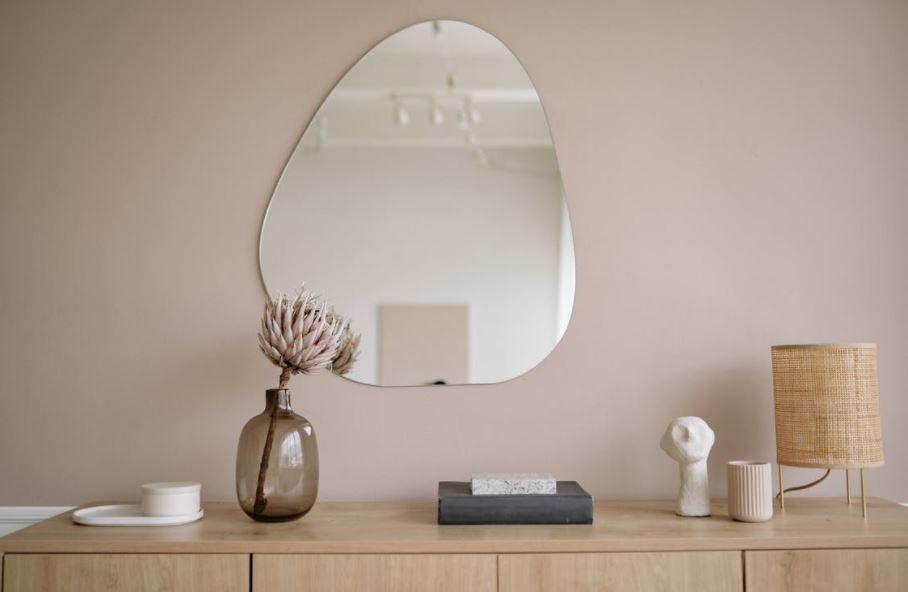
The shape of the mirror is another important factor. Rectangular mirrors are a classic choice, offering clean lines that suit most bathroom styles. Round or oval mirrors bring softness to the space and are often used to create a more modern or artistic look.
Unconventional shapes, like hexagonal or arched mirrors, can serve as focal points in a unique bathroom design. Before choosing a shaped mirror, consider how it will align with your vanity and wall features to maintain a balanced appearance.
Selecting the Frame
The mirror’s frame influences the overall design, durability, and practicality of the mirror. Choosing the right frame requires attention to material, style, and how it complements the rest of the bathroom. Below are the main factors for you to see:
Framed vs. Frameless Mirrors
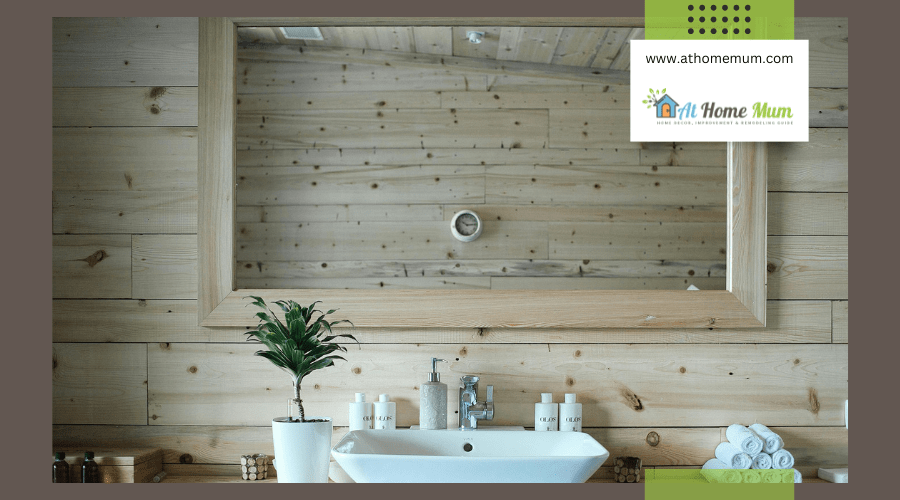
A framed mirror offers more opportunities to match your bathroom’s style. Frames can add a sense of elegance, warmth, or character to the space, depending on the material and design. They are ideal for traditional or rustic bathrooms where detail and texture are key elements of the decor.
On the other hand, frameless mirrors provide a minimalist look. These are popular in modern bathrooms, offering clean lines and a seamless appearance. Without a frame, they are easier to maintain and often blend into the surroundings.
Frame Material Options
The material of the frame plays a role in both aesthetics and durability. Wooden frames add natural warmth and are a great fit for rustic or classic styles. However, they require proper sealing to prevent damage from humidity. Metal frames, such as those made of brass or stainless steel, work well in modern or industrial-style bathrooms and are more resistant to moisture.
Plastic or resin frames are lightweight and versatile. They are also available in various finishes and colors. While not as durable as metal or wood, they can hold up well in spaces with proper ventilation.
Frame Colors and Finishes
The color and finish of the frame should tie into the overall design of the bathroom. Neutral tones like black, white, or metallic shades are versatile and pair easily with most decor styles. A matte black frame, for example, can create a bold contrast in a light-colored bathroom.
If you prefer a softer look, consider frames in natural wood tones or muted metallic finishes like brushed gold. Matching the frame’s finish to other fixtures, such as faucets or cabinet handles, creates a cohesive and polished appearance.
Practical Considerations
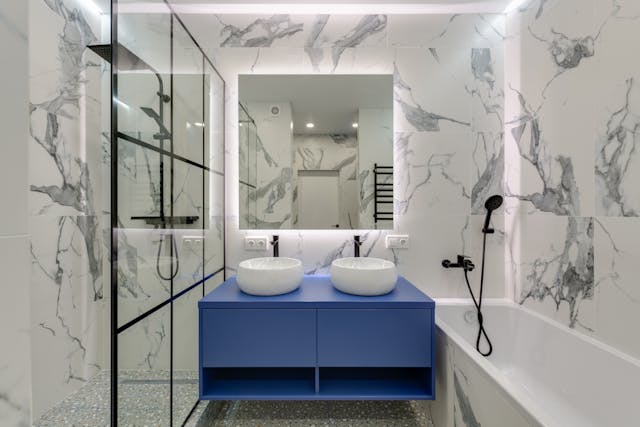
When choosing a bathroom mirror, it’s important to think about the practical details that affect how the mirror functions in your space and how well it holds up over time. Check out these tips to guide your decision:
Placement and Height
Position the mirror at eye level for the people who will use it most often. For shared bathrooms, aim for a height that works for a range of users. The mirror should also align with nearby fixtures, such as lights or shelves, to create a balanced look.
Avoid placing the mirror too close to the sink or other sources of moisture to reduce the risk of water damage. Leave a few inches of space between the bottom edge of the mirror and the sink for practical use and easier cleaning.
Lighting
Good lighting is essential for a functional bathroom mirror. Wall-mounted lights or sconces on either side of the mirror provide even illumination and minimize shadows. For a sleek and modern option, consider mirrors with built-in LED lighting, which are energy-efficient and easy to maintain.
Avoid placing the mirror in a way that reflects harsh or uneven light. Natural light is a plus, but make sure any windows don’t create distracting glares on the mirror’s surface.
Material and Durability
Choose materials that can handle the humidity and moisture common in bathrooms. Frameless mirrors with sealed edges or frames made of metal or treated wood are better suited for damp environments. Look for mirrors labeled as moisture-resistant for added peace of mind.
Regular cleaning and proper ventilation will also help maintain the mirror’s condition over time. Avoid frames that warp, rust, or discolor easily when exposed to humidity.
Maintenance and Cleaning
Select a mirror that is easy to clean. Mirrors with simple designs and minimal grooves in the frame are less likely to collect dust and grime. For frameless mirrors, wipe down the edges regularly to prevent water spots or buildup.
Use non-abrasive cleaners to avoid scratching the glass or damaging the frame. Keeping your mirror clean will not only make it look better but also extend its lifespan.
Conclusion
By considering the size, frame, and overall design, you can find a mirror that fits seamlessly into your space while meeting your daily needs. With the right mirror, your bathroom can feel more inviting and well-designed.